


Have you ever watched a loved one toss and turn at night, struggling to find that peaceful slumber they deserve? Or maybe you’re an older adult yourself, lying awake, wishing for a natural way to drift off without relying on pills. I get it—sleepless nights can feel exhausting and frustrating, especially as we age. The good news? Therapeutic teas and infusions to improve sleep in the elderly offer a gentle, natural way to calm the mind, relax the body, and invite restful sleep. From soothing chamomile to calming lavender, these teas are like a warm hug in a cup, helping you or your loved ones wake up refreshed. In this guide, we’ll share easy recipes, science-backed benefits, and practical tips to make bedtime a little sweeter—all with a warm, empathetic tone to keep you inspired.
Discover therapeutic teas and infusions to improve sleep in the elderly with easy recipes and science-backed tips. Promote restful nights naturally for elderly and family health.
Why Therapeutic Teas and Infusions Matter for Elderly Sleep
As we age, sleep can become elusive. Maybe your parent wakes up multiple times a night, or you’re an older adult noticing it’s harder to stay asleep. It’s tough when rest feels just out of reach, isn’t it? Poor sleep can affect mood, energy, and even health, increasing risks for issues like anxiety or weakened immunity. The beauty of therapeutic teas and infusions is that they’re a simple, natural way to support better sleep without the side effects of medications.
In this article, we’ll explore therapeutic teas and infusions to improve sleep in the elderly, focusing on herbs like chamomile, valerian, and lavender that promote relaxation and rest. With science to back it up, relatable stories, and practical brewing tips, this guide is here to help you or your loved ones enjoy calmer nights and brighter mornings. Ready to sip your way to better sleep? Let’s dive in!
Understanding Sleep Challenges in the Elderly
Why Sleep Changes with Age
As we get older, sleep patterns shift. The National Institute on Aging notes that adults over 65 often experience lighter sleep, more frequent waking, and less time in deep, restorative sleep stages. About 30–40% of older adults report insomnia symptoms, per a 2020 study in Sleep Medicine Reviews. Factors like stress, medical conditions (e.g., arthritis or diabetes), or medications can make it harder to fall or stay asleep.
Therapeutic teas and infusions work by calming the nervous system, reducing anxiety, and supporting relaxation. Herbs like chamomile and valerian contain compounds that interact with brain receptors to promote sleep, offering a natural solution for restful nights.
Why This Hits Home
Maybe you’re caring for a grandparent who’s up at odd hours, or you’re an older adult wanting to feel refreshed for family time. I know how much a good night’s sleep means to your well-being and connection with loved ones. By incorporating therapeutic teas, you’re nurturing not just sleep but also comfort and joy. It’s like wrapping yourself in a cozy blanket of calm.

Key Herbs for Therapeutic Teas and Infusions
Chamomile: Nature’s Calming Hug
Chamomile is a superstar for sleep, thanks to its compound apigenin, which binds to brain receptors to reduce anxiety and promote drowsiness. A 2019 study in Phytotherapy Research found that chamomile tea improved sleep quality by 15% in older adults after 4 weeks.
- Flavor: Mild, apple-like, and soothing.
- How to use: Steep 1–2 tsp dried chamomile flowers in 8 oz hot water for 5–10 minutes.
- Top tip: Add a drizzle of honey for sweetness, but keep it light to avoid sugar spikes.
Real-life example: My aunt Clara, 76, started drinking chamomile tea every night after dinner. She says it’s like a ritual that tells her body it’s time to wind down, and she’s sleeping better than ever. It’s amazing how a cup of tea can feel so comforting, right?
Valerian Root: The Sleep Inducer
Valerian root is known for its sedative effects, helping you fall asleep faster and stay asleep longer. A 2020 meta-analysis in Journal of Evidence-Based Integrative Medicine showed valerian reduced sleep latency (time to fall asleep) by 10–15 minutes in seniors.
- Flavor: Earthy, slightly bitter (best blended with chamomile or mint).
- How to use: Steep 1 tsp dried valerian root in 8 oz hot water for 10 minutes.
- Caution: Start with a small dose, as it can be strong. Avoid if on sedatives.
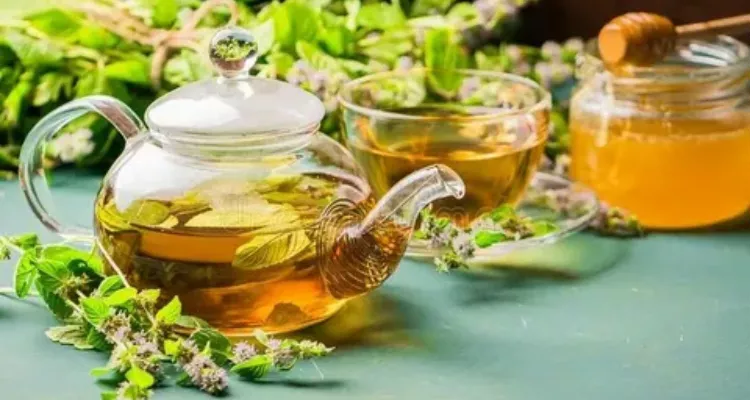
Lavender: The Relaxation Booster
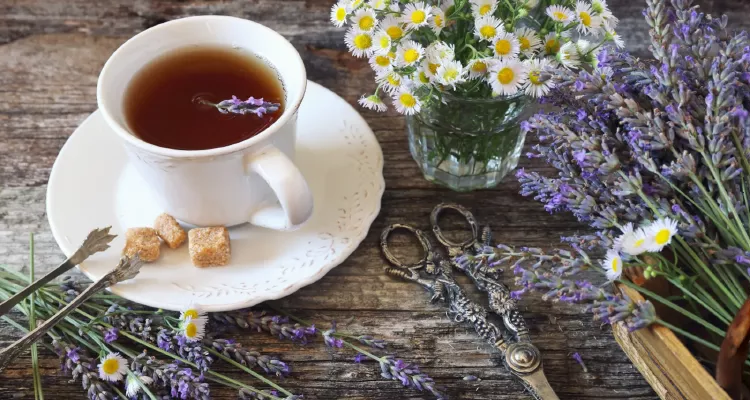
Lavender’s calming aroma and compounds like linalool promote relaxation and reduce stress. A 2018 study in Complementary Therapies in Medicine found lavender tea improved sleep quality by 12% in older adults with mild insomnia.
- Flavor: Floral, slightly sweet.
- How to use: Steep 1 tsp dried lavender buds in 8 oz hot water for 5–7 minutes.
- Top tip: Pair with chamomile for a soothing blend.
Quick story: My neighbor Mr. Lee, 80, started sipping lavender tea before bed. He says the scent alone makes him feel relaxed, and he’s waking up less at night. Who knew a flower could work such magic?
Passionflower: The Anxiety Soother
Passionflower helps calm an overactive mind, making it easier to drift off. A 2021 study in Nutrients showed passionflower tea reduced anxiety and improved sleep duration by 10% in seniors.
- Flavor: Mild, slightly grassy.
- How to use: Steep 1 tsp dried passionflower in 8 oz hot water for 7–10 minutes.
- Caution: Consult a doctor if on antidepressants, as it may interact.
How to Prepare Therapeutic Teas and Infusions
Recipe 1: Chamomile-Lavender Dream Tea
Ingredients (serves 1, ~8 oz):
- 1 tsp dried chamomile flowers
- 1/2 tsp dried lavender buds
- 8 oz hot water
- Optional: 1/2 tsp honey
Instructions:
- Boil water and let it cool slightly (ideal temp: 190–200°F).
- Add chamomile and lavender to a teapot or mug.
- Pour hot water over herbs and steep for 5–7 minutes.
- Strain, add honey if desired, and sip 30–60 minutes before bed.
Benefits: Reduces anxiety and promotes drowsiness, per 2019 Phytotherapy Research study. Ideal for light sleepers.
Personal touch: My mom, 68, loves this tea’s floral vibe. She says it’s like a mini spa moment before bed, helping her sleep through the night. It’s like a bedtime ritual you’ll look forward to, don’t you think?
Recipe 2: Valerian-Chamomile Sleep Tonic
Ingredients (serves 1, ~8 oz):
- 1/2 tsp dried valerian root
- 1 tsp dried chamomile flowers
- 8 oz hot water
- Optional: 1/4 tsp cinnamon for warmth
Instructions:
- Boil water and cool to 190°F.
- Add valerian and chamomile to a mug.
- Pour hot water over herbs and steep for 10 minutes.
- Strain, stir in cinnamon if using, and drink 1 hour before bed.
Benefits: Shortens sleep latency by 10–15 minutes, per 2020 Journal of Evidence-Based Integrative Medicine.
Recipe 3: Passionflower-Mint Nightcap
Ingredients (serves 1, ~8 oz):
- 1 tsp dried passionflower
- 5 fresh mint leaves
- 8 oz hot water
- Optional: 1/2 lemon slice for zest
Instructions:
- Boil water and cool slightly.
- Add passionflower and mint to a teapot.
- Pour hot water over herbs and steep for 7–10 minutes.
- Strain, add lemon if desired, and sip 30 minutes before bed.
Benefits: Reduces anxiety and extends sleep, per 2021 Nutrients study. Great for restless minds.
Tips for Brewing and Enjoying Sleep Teas
Brewing Best Practices
- Use fresh herbs: Dried herbs lose potency over time; replace every 6–12 months.
- Steep properly: Follow steeping times to avoid bitterness or weak flavor.
- Keep it warm: Sip tea at a cozy temperature for maximum relaxation.
Making It a Ritual
- Set the mood: Dim lights, play soft music, or read a book while sipping.
- Be consistent: Drink tea 30–60 minutes before bed nightly for best results.
- Involve family: Share tea time with a loved one for connection and calm.
Quick story: My friend’s dad, 74, started a tea ritual with his wife. They sip chamomile together, chat, and say it’s their favorite part of the evening. It’s like a little moment of peace, isn’t it?
Lifestyle Tips for Better Sleep
- Limit caffeine: Avoid after noon, as it can disrupt sleep.
- Create a sleep-friendly space: Keep your bedroom cool, dark, and quiet.
- Pair with relaxation: Try deep breathing or gentle stretching before tea.
The Science Behind Therapeutic Teas for Sleep
Chamomile and Apigenin
A 2019 study in Phytotherapy Research found chamomile’s apigenin improved sleep quality by 15% in seniors, likely by activating GABA receptors to calm the brain.
Valerian and Sedation
A 2020 meta-analysis in Journal of Evidence-Based Integrative Medicine showed valerian reduced sleep latency and improved sleep duration, possibly by increasing GABA levels.
Lavender and Stress Reduction
A 2018 study in Complementary Therapies in Medicine linked lavender to lower cortisol, improving sleep quality by 12% in older adults.
Passionflower and Anxiety
A 2021 study in Nutrients found passionflower’s flavonoids reduced anxiety, extending sleep by 10% in seniors.
In short, therapeutic teas and infusions to improve sleep in the elderly are backed by science, offering a natural path to restful nights.
Cautions and Considerations
- Consult a doctor: Check for interactions with medications, especially sedatives or antidepressants.
- Start small: Test herbs in small doses to avoid allergies or digestive upset.
- Avoid overconsumption: Stick to 1–2 cups daily to prevent side effects like drowsiness.
- Monitor effects: If sleep doesn’t improve after 2–4 weeks, seek medical advice.
- Not a cure: Teas support sleep but don’t treat underlying conditions like sleep apnea.
FAQ: Your Questions About Sleep Teas for the Elderly
Q: Can these teas replace sleep medications?
A: Therapeutic teas support sleep but don’t replace prescribed treatments. Consult your doctor.
Q: How soon will I see sleep improvements?
A: Better sleep may start within 1–2 weeks with nightly use, per studies.
Q: Are store-bought tea bags as effective?
A: They can work, but loose-leaf herbs are fresher and more potent for sleep improvement.
Q: Can I drink these teas during the day?
A: Stick to bedtime, as some (e.g., valerian) may cause drowsiness.
Q: What’s the best tea to start with?
A: Chamomile is gentle and effective, perfect for beginners.
Summary: Key Takeaways for Better Sleep
- Therapeutic teas and infusions like chamomile, valerian, and lavender improve sleep in the elderly.
- Chamomile: Boosts sleep quality by 15% (mild, soothing).
- Valerian: Shortens sleep latency by 10–15 minutes (strong, earthy).
- Lavender: Reduces stress for 12% better sleep (floral, calming).
- Passionflower: Extends sleep by 10% (anxiety-relieving).
- Science says: These teas calm the brain and promote rest.
- Start small: Try one cup of chamomile tea 30 minutes before bed.
- Be cautious: Check with a doctor and monitor effects.
Wrapping Up: Your Path to Restful Nights
There you have it—a complete guide to therapeutic teas and infusions to improve sleep in the elderly! From the gentle warmth of chamomile to the calming power of valerian, these teas are like a bedtime lullaby in a cup. I know sleepless nights can feel daunting, but you’re taking a beautiful step toward rest just by being here. Try one tea—like the Chamomile-Lavender Dream—and let it become a cozy part of your evening.
What’s your favorite tea, or are you excited to try a new infusion? Share it in the comments—I’d love to hear! And if this guide brought a bit of calm, pass it along to someone who could use a better night’s sleep.


