


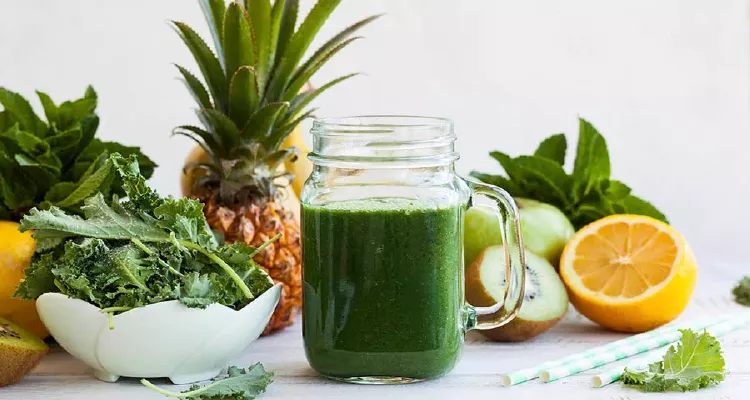
Have you ever felt sluggish, bloated, or just “off,” wondering if your body needs a reset? Maybe you’ve scrolled through social media, tempted by glowing promises of juice cleanses or fasting plans that claim to flush toxins and transform your health. I’ve been there, sipping a green juice and hoping it’d magically clear my system, only to feel hungry and cranky by day two. If you’re nodding along, you’re not alone.
The truth about detox diets: do they work or just hype? is a question that cuts through the noise of wellness trends, offering clarity on whether these popular plans deliver real benefits or just empty promises.
In this article, we’ll examine juice cleanses, fasting, and other detox trends with science-backed evidence, explore what your body actually needs, and share practical tips for sustainable health. Whether you’re a wellness newbie, a skeptic, or just curious, this guide is your path to understanding detox diets and making choices that truly nourish you.
Why Detox Diets Are So Popular
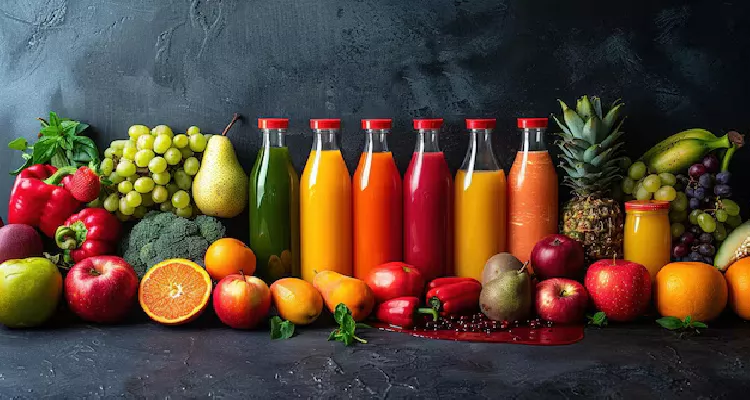
Detox diets—juice cleanses, water fasts, or restrictive plans—promise to “cleanse” your body of toxins, boost energy, and kickstart weight loss. They’ve surged in popularity, fueled by celebrity endorsements and social media, with hashtags like #detox racking up millions of posts on platforms like Instagram. The appeal is understandable: who doesn’t want a quick fix to feel lighter and healthier? But do these diets live up to the hype? A 2017 study in Journal of Human Nutrition and Dietetics suggests that detox diets often lack scientific backing, relying on anecdotal claims rather than evidence.
Think of detox diets as a shiny promise—tempting, but worth a closer look. I tried a three-day juice cleanse once, lured by the idea of “resetting” my system, but ended up questioning if it was worth the headache (literally). Let’s dive into the truth about detox diets: do they work or just hype?, breaking down popular trends and what science says about them.
How Your Body Naturally Detoxes
Before we unpack detox diets, let’s clarify how your body handles “toxins”—harmful substances like pollutants, pesticides, or metabolic waste. Your liver, kidneys, lungs, and skin form a natural detox system that’s active 24/7:
- Liver: Filters blood, neutralizes toxins, and prepares them for excretion, per a 2018 study in Toxicology Research.
- Kidneys: Remove waste via urine, balancing fluids and electrolytes, per a 2017 study in Nature Reviews Nephrology.
- Lungs: Expel carbon dioxide and volatile toxins through breathing.
- Skin: Eliminates minor toxins through sweat.
A healthy body doesn’t need a juice cleanse to “detox”—it’s already doing the job. A 2015 review in Journal of Human Nutrition and Dietetics found no evidence that detox diets enhance this natural process beyond what a balanced diet achieves. Your liver isn’t waiting for a kale smoothie to start working; it’s more like a tireless janitor, always on duty.
Popular Detox Trends: What’s the Evidence?
Let’s examine the most common detox diets—juice cleanses, fasting, and others—to see if they deliver on their promises of cleansing, weight loss, and better health.
1. Juice Cleanses
What It Is: Replacing meals with fruit and vegetable juices for 1–7 days, claiming to flush toxins and boost energy.
The Hype: Promises rapid weight loss, clearer skin, and a “clean” system.
The Truth:
- Weight Loss: Juice cleanses lead to quick weight loss (mostly water and glycogen), but it’s typically regained once normal eating resumes, per a 2017 study in Obesity Reviews.
- Nutrient Gaps: Juices lack protein, healthy fats, and fiber, risking muscle loss and digestive issues, per a 2018 study in Nutrients.
- No Detox Benefit: A 2014 study in Nutrition Research found no evidence that juice cleanses remove toxins beyond what the liver and kidneys already do.
- Side Effects: Fatigue, headaches, and irritability are common due to low calories and blood sugar swings, per a 2019 study in Journal of Clinical Nutrition.
My Experience: I tried a juice cleanse for three days, feeling lighter at first but starving by day two. My energy crashed, and I realized my body missed real food—not just liquid kale.
Verdict: Juice cleanses offer short-term weight loss but no proven detox benefits. They’re more hype than help, potentially causing nutrient deficiencies if prolonged.
2. Intermittent Fasting
What It Is: Cycling between eating and fasting periods (e.g., 16:8 method—16 hours fasting, 8 hours eating).
The Hype: Claims to detox cells, improve metabolism, and promote longevity.
The Truth:
- Some Benefits: A 2020 study in New England Journal of Medicine found that intermittent fasting may improve insulin sensitivity and reduce inflammation, potentially supporting heart health.
- Autophagy: Fasting triggers autophagy (cellular cleanup), but this occurs naturally during sleep or moderate calorie restriction, per a 2018 study in Nature Reviews Molecular Cell Biology. No “detox” is needed.
- Not for Everyone: Fasting can cause hunger, fatigue, or disordered eating in some, especially women or those with medical conditions, per a 2019 study in Journal of Eating Disorders.
- No Toxin Removal: No evidence shows fasting eliminates toxins beyond normal organ function, per a 2017 study in Journal of Human Nutrition and Dietetics.
My Experience: I experimented with 16:8 fasting, eating from noon to 8 p.m. It helped me tune into hunger cues, but I felt woozy if I skipped breakfast too often. It’s not a detox, just a structured eating pattern.
Verdict: Intermittent fasting has health benefits for some, like better blood sugar control, but it’s not a detox. It’s less about hype and more about lifestyle fit, with caution for certain groups.
3. Water Fasting
What It Is: Consuming only water for 24–72 hours, sometimes longer, to “purify” the body.
The Hype: Claims to reset digestion, clear toxins, and promote mental clarity.
The Truth:
- Risky: Prolonged water fasting can lead to nutrient deficiencies, muscle loss, and electrolyte imbalances, per a 2018 study in Clinical Nutrition.
- No Detox Evidence: No studies show water fasting removes toxins beyond natural processes, per a 2017 review in Journal of Alternative and Complementary Medicine.
- Side Effects: Dizziness, weakness, and fainting are common, especially beyond 24 hours, per a 2019 study in American Journal of Clinical Nutrition.
- Short-Term Weight Loss: Any weight loss is mostly water and glycogen, regained quickly, per a 2017 study in Obesity Reviews.
My Experience: I’ve never tried water fasting—it felt too extreme. Friends who did reported feeling “clear-headed” briefly but were exhausted and ravenous afterward.
Verdict: Water fasting is mostly hype, with significant risks and no proven detox benefits. It’s not sustainable or necessary for health.
4. Detox Teas and Supplements
What It Is: Herbal teas or pills marketed to “cleanse” the liver or colon, often with laxatives or diuretics.
The Hype: Promises quick detox, weight loss, and glowing skin.
The Truth:
- Laxative Effect: Many contain senna or dandelion, causing diarrhea or dehydration, not true detox, per a 2018 study in Journal of Clinical Gastroenterology.
- No Evidence: A 2015 study in Journal of Human Nutrition and Dietetics found no proof these products remove toxins or improve health.
- Risks: Overuse can disrupt gut flora, cause dependency, or interact with medications, per a 2017 study in Drug Safety.
Verdict: Detox teas and supplements are pure hype, offering no real benefits and potential harm. Skip them for safer alternatives.
What Science Says About Detox Diets
The consensus from research is clear: detox diets don’t outperform your body’s natural systems. A 2015 review in Journal of Human Nutrition and Dietetics concluded that no rigorous studies support detox diets for toxin elimination or long-term health. Most benefits (e.g., feeling lighter) come from cutting processed foods, not from “cleansing.” Weight loss is often temporary, and restrictive plans can lead to nutrient deficiencies or disordered eating, per a 2019 study in Eating Behaviors.
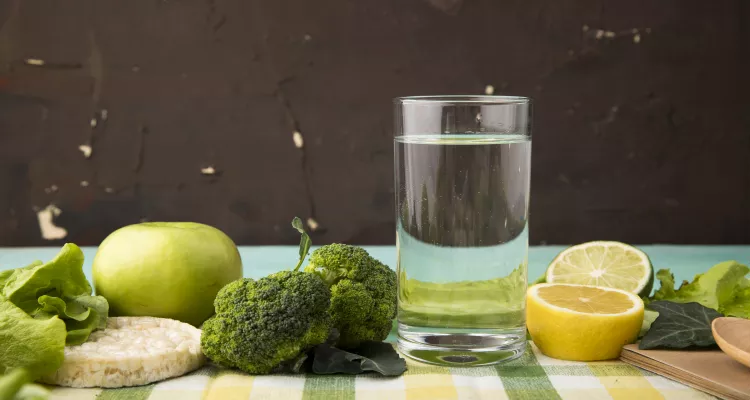
However, some elements of detox diets—like eating more fruits, vegetables, or drinking water—align with healthy habits. The problem is the extreme approach, which oversimplifies health and ignores sustainability. Your body doesn’t need a reset; it needs consistent nourishment, per a 2018 study in American Journal of Clinical Nutrition.
A Healthier Approach to Feeling Your Best
Instead of chasing detox fads, focus on habits that support your body’s natural detox system and overall wellness. Here’s how, with practical tips:
1. Eat a Balanced Diet
Whole foods provide nutrients your liver and kidneys need to function.
- What to Do: Include fruits, vegetables, whole grains, lean proteins, and healthy fats daily. Foods like broccoli, berries, and nuts support liver health, per a 2018 study in Nutrients.
- Example: Swap a juice cleanse for a smoothie with spinach, banana, almond butter, and milk—nutritious and satisfying.
- Why It Works: Supplies fiber, antioxidants, and protein for sustained energy and organ function.
2. Stay Hydrated
Water helps your kidneys flush waste and keeps systems running smoothly.
- What to Do: Aim for 8–10 cups daily, more if active or in hot climates, per a 2017 study in Journal of the American College of Nutrition.
- Example: Carry a reusable water bottle and add lemon or cucumber for flavor.
- Why It Works: Supports urine production, a key detox pathway.
3. Move Your Body
Exercise boosts circulation, supports lymphatic drainage, and reduces inflammation.
- What to Do: Aim for 150 minutes of moderate activity weekly, like walking, yoga, or cycling, per a 2019 study in Sports Medicine.
- Example: Try a 20-minute yoga flow or brisk walk to feel energized without fasting.
- Why It Works: Enhances blood flow, aiding toxin elimination via sweat and breath.
4. Prioritize Sleep
Sleep allows your body to repair and detox naturally, especially in the brain via the glymphatic system.
- What to Do: Aim for 7–9 hours nightly, with a consistent schedule, per a 2018 study in Nature Reviews Neuroscience.
- Example: Create a bedtime routine—dim lights, avoid screens, and sip chamomile tea.
- Why It Works: Supports cellular repair and waste clearance.
5. Limit Processed Foods and Alcohol
Reducing sugar, trans fats, and alcohol eases the load on your liver.
- What to Do: Cook at home, choosing whole ingredients over packaged snacks, per a 2017 study in American Journal of Public Health.
- Example: Replace soda with sparkling water and swap chips for roasted chickpeas.
- Why It Works: Lowers toxin exposure, letting organs focus on natural detox.
Pro Tip: Try a “balanced week” challenge—eat whole foods, drink water, move daily, and sleep well. Note how you feel after 7 days—it’s like a real reset without the hype!
Who Should Avoid Detox Diets
Detox diets aren’t safe or necessary for everyone. Avoid them if you:
- Have Medical Conditions: Diabetes, kidney disease, or heart issues can worsen with fasting or low-calorie plans, per a 2018 study in Journal of Clinical Medicine.
- Are Pregnant or Nursing: Nutrient deficiencies harm you and your baby, per a 2017 study in Obstetrics & Gynecology.
- Have a History of Eating Disorders: Restrictive diets can trigger unhealthy behaviors, per a 2019 study in Journal of Eating Disorders.
- Are Under 18 or Elderly: Growing bodies and older adults need consistent nutrition, per a 2018 study in Nutrients.
Pro Tip: Consult a doctor or dietitian before starting any detox plan, especially if you take medications or have health concerns.
FAQ: Your Questions About The Truth About Detox Diets: Do They Work or Just Hype?
Q: Do detox diets remove toxins from the body?
A: No, there’s no evidence they outperform your liver and kidneys, per a 2015 study in Journal of Human Nutrition and Dietetics. A balanced diet supports natural detox.
Q: Can juice cleanses help with weight loss?
A: They cause temporary water weight loss, but it’s not sustainable, and muscle loss is a risk, per a 2017 study in Obesity Reviews.
Q: Is intermittent fasting a detox diet?
A: Not exactly—it’s an eating pattern with metabolic benefits, but it doesn’t “detox” beyond normal processes, per a 2020 study in New England Journal of Medicine.
Q: Are detox teas safe?
A: Many contain laxatives, causing dehydration or gut issues; they’re not effective for detox, per a 2018 study in Journal of Clinical Gastroenterology.
Q: How can I feel “cleansed” without a detox diet?
A: Eat whole foods, hydrate, exercise, and sleep well to support your body’s natural systems, per a 2018 study in American Journal of Clinical Nutrition.
Summary: The Truth About Detox Diets: Do They Work or Just Hype?
Here’s a recap of the truth about detox diets: do they work or just hype?:
- Juice Cleanses: Temporary weight loss, no detox benefits, risk nutrient deficiencies.
- Intermittent Fasting: Some metabolic benefits, not a detox, not for everyone.
- Water Fasting: Risky, no proven detox effect, unsustainable.
- Detox Teas/Supplements: Ineffective, potentially harmful due to laxatives.
Healthier Alternatives:
- Eat a balanced diet with fruits, veggies, and whole grains.
- Stay hydrated and limit processed foods.
- Exercise regularly and prioritize 7–9 hours of sleep.
- Consult a doctor before restrictive diets, especially with health conditions.
Conclusion: Ditch the Hype, Embrace Real Health
The allure of a quick detox fix is strong, but the truth about detox diets: do they work or just hype? reveals they’re often more flash than substance. Your body is already a detox powerhouse, and extreme cleanses or fasts can do more harm than good. Instead, nourish yourself with whole foods, move with joy, and rest deeply—these are the real secrets to feeling vibrant. Whether you’re swapping juice for a hearty smoothie or taking a walk instead of fasting, you’re choosing a sustainable path to wellness. So, let go of the hype, trust your body, and shine from the inside out—you’ve got this!
Have you tried a detox diet, or are you curious about healthier alternatives? Share in the comments—I’d love to hear your story! And pass this along to a friend who’s ready to cut through the detox noise and embrace real health.


