


Have you ever looked in the mirror, noticed a new fine line, or felt your joints creak a bit more, wondering if there’s a way to turn back the clock? Maybe you’ve seen those sleek collagen powder tubs promising glowing skin, stronger joints, and shiny hair, and thought, Could this be the answer?
I’ve been there, stirring a scoop of collagen into my coffee, hoping it’d magically firm up my skin, only to question if it was worth the hype. If you’re nodding along, you’re not alone. The truth about collagen: do those powders really work? is a question that cuts through the wellness noise, offering clarity on whether trendy supplements or natural sources like bone broth deliver real results.
In this article, we’ll compare collagen powders to natural sources, dive into science-backed evidence, and share practical tips to support your health and wellness goals. Whether you’re a skeptic, a beauty enthusiast, or just curious, this guide is your path to understanding collagen and making choices that work for you.
Why Collagen Is Such a Big Deal
Collagen is the most abundant protein in your body, making up about 30% of your protein content. It’s the glue that holds your skin, joints, bones, and connective tissues together, giving structure and strength. As you age, collagen production slows—starting in your 20s—leading to wrinkles, joint stiffness, and weaker bones, per a 2018 study in Journal of Clinical Medicine. The wellness industry has capitalized on this, with collagen supplements (powders, pills, drinks) becoming a $2 billion market by 2023, promising to restore what time takes away. Natural sources like bone broth, a traditional food, are also touted for collagen benefits.
Think of collagen as the scaffolding of your body—when it weakens, things start to sag or ache. I got curious about collagen after noticing my knees creaked during hikes, wondering if a supplement or broth could help. Let’s explore the truth about collagen: do those powders really work?, comparing supplements to natural sources and what science says.

What Is Collagen and How Does It Work?
Collagen is a protein made of amino acids (glycine, proline, hydroxyproline) that forms a triple-helix structure, giving tissues strength and elasticity. Your body produces it naturally, but diet, UV exposure, smoking, and aging reduce its quality and quantity, per a 2017 study in Nutrients. There are 28 types of collagen, but types I, II, and III are most common:
- Type I: Skin, tendons, bones (90% of body’s collagen).
- Type II: Cartilage, joints.
- Type III: Skin, blood vessels.
Collagen supplements (usually hydrolyzed peptides from bovine, marine, or porcine sources) and foods like bone broth (rich in gelatin, a cooked collagen form) aim to replenish collagen or stimulate its production. A 2019 study in Journal of Drugs in Dermatology suggests that oral collagen may improve skin and joint health by providing amino acids for tissue repair, though results vary.
Collagen Powders: The Hype and the Science
Collagen powders are the darling of wellness trends, mixed into smoothies, coffee, or even baked goods. They’re marketed for skin elasticity, joint pain relief, hair growth, and more. But do they deliver? Let’s break it down.
What Are Collagen Powders?
- Source: Hydrolyzed collagen (broken into smaller peptides) from cow hides, fish scales, or pig skin.
- Types: Bovine (types I, III), marine (type I), or blends with added vitamins (e.g., C for collagen synthesis).
- Dose: Typical serving is 5–20 g daily, often flavorless or flavored.
- Cost: $20–$50 for a month’s supply.
The Evidence
- Skin Health: A 2019 meta-analysis in Journal of Drugs in Dermatology found that 2.5–10 g of collagen peptides daily for 8–12 weeks improved skin elasticity (7–10%) and hydration (5–8%) in women aged 35–60. A 2020 study in Nutrients noted reduced wrinkle depth.
- Joint Health: A 2018 study in Osteoarthritis and Cartilage showed that 5–12 g daily reduced joint pain in athletes and older adults by 20–30% after 12 weeks, likely by supporting cartilage repair.
- Hair and Nails: Limited evidence; a 2017 study in Journal of Cosmetic Dermatology reported stronger nails after 24 weeks, but hair growth claims lack robust data.
- Bone Health: A 2018 study in Nutrients found that 5 g daily for 12 months increased bone density in postmenopausal women by 3–5%, but more research is needed.
Limitations
- Digestion: Collagen peptides are broken into amino acids in the gut, which may not directly rebuild collagen, per a 2019 study in Amino Acids. Your body decides where to use them.
- Placebo Effect: Some benefits (e.g., glowing skin) may stem from improved hydration or expectations, per a 2017 study in Psychological Medicine.
- Quality Varies: Not all products are third-party tested, risking contaminants or overstated claims.
- Cost vs. Benefit: Powders are pricier than dietary protein sources, with similar amino acids, per a 2018 study in Journal of Nutrition.
My Experience: I tried collagen powder for a month, noticing slightly smoother skin but no joint relief. It was easy to use, but the price made me wonder if food could do the same.
Verdict: Collagen powders show promise for skin and joints, with modest benefits after 8–12 weeks. They’re not magic, and results depend on dose, quality, and consistency.
Bone Broth: The Natural Alternative
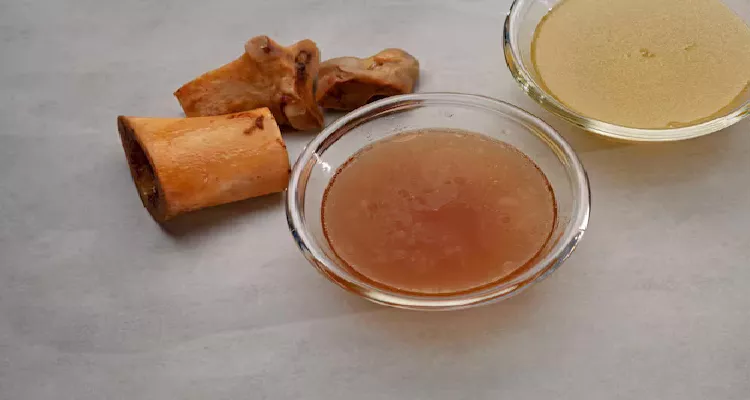
Bone broth, made by simmering animal bones and connective tissues, is a traditional food praised for its collagen content (as gelatin). It’s a staple in many cultures, used for soups, stews, or sipping.
What Is Bone Broth?
- Source: Bones (beef, chicken, fish) simmered 12–48 hours with veggies, herbs, and vinegar to extract nutrients.
- Nutrients: Gelatin (cooked collagen), amino acids (glycine, proline), minerals (calcium, magnesium), and sometimes glucosamine.
- Collagen Content: Varies; 1 cup may provide 1–5 g gelatin, less concentrated than powders.
- Cost: $5–$15 for homemade or store-bought (per liter).
The Evidence
- Skin and Joints: Gelatin provides similar amino acids to collagen peptides, potentially supporting skin and cartilage, per a 2017 study in Journal of Functional Foods. A 2016 study in Nutrition Journal found gelatin improved joint pain in athletes, though less studied than peptides.
- Gut Health: Glycine in gelatin may reduce gut inflammation, per a 2018 study in Inflammatory Bowel Diseases, but human studies are limited.
- Nutrient Bonus: Bone broth offers minerals and electrolytes, supporting overall health, per a 2017 study in Nutrients.
- Less Processed: Whole food form retains natural compounds, unlike isolated peptides.
Limitations
- Lower Collagen Dose: Less concentrated than powders, requiring larger servings for similar effects.
- Time-Intensive: Homemade broth takes hours; store-bought versions may lack gelatin or contain sodium.
- Limited Research: Fewer studies on bone broth vs. collagen peptides, making benefits less clear.
- Taste/Use: Not as versatile as flavorless powders for daily routines.
My Experience: I made bone broth weekly during winter, loving its warmth and flavor in soups. My joints felt less stiff, but it’s hard to know if it was the broth or my new yoga habit.
Verdict: Bone broth offers collagen-like benefits with added nutrients, ideal for those who enjoy whole foods. It’s less potent but more affordable and holistic than powders.
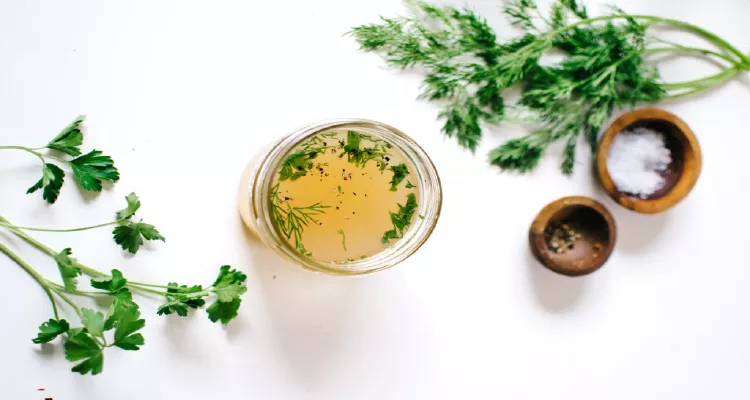
Image Suggestion 2: A steaming bowl of bone broth with herbs, next to a collagen powder smoothie, highlighting the comparison.
Alt text: Bone broth vs. collagen powder, part of the truth about collagen’s benefits.
Comparing Collagen Powders vs. Bone Broth
| Factor | Collagen Powders | Bone Broth |
|---|---|---|
| Collagen Content | High (5–20 g/serving) | Lower (1–5 g gelatin/cup) |
| Ease of Use | Convenient, versatile (mix in drinks, recipes) | Requires cooking or sipping, less versatile |
| Cost | $20–$50/month | $5–$15/liter (homemade cheaper) |
| Nutrients | Primarily collagen peptides, some with vitamins | Gelatin, minerals, electrolytes, amino acids |
| Evidence | Stronger for skin, joints; clinical trials | Limited but promising for joints, gut |
| Processing | Highly processed, isolated peptides | Whole food, minimally processed |
| Sustainability | Depends on sourcing (bovine/marine) | Uses food scraps, eco-friendly if homemade |
Which to Choose?
- Powders: Best for convenience, consistent dosing, and targeted skin/joint benefits. Choose third-party tested brands.
- Bone Broth: Ideal for whole-food lovers, budget-conscious folks, or those seeking gut and mineral benefits. Make at home for quality control.
Other Ways to Support Collagen Naturally
Collagen supplements and bone broth aren’t the only ways to support your body’s collagen. These habits enhance production and protect existing collagen:
- Eat Protein-Rich Foods: Eggs, fish, beans provide amino acids for collagen synthesis, per a 2017 study in Nutrients.
- Get Vitamin C: Found in citrus, berries, bell peppers, it’s essential for collagen formation, per a 2018 study in Journal of Clinical Biochemistry and Nutrition.
- Include Zinc and Copper: Nuts, seeds, shellfish support collagen production, per a 2017 study in Journal of Trace Elements in Medicine and Biology.
- Protect from UV Damage: Use sunscreen and limit sun exposure to prevent collagen breakdown, per a 2019 study in Photodermatology, Photoimmunology & Photomedicine.
- Avoid Smoking/Alcohol: Both degrade collagen, accelerating aging, per a 2018 study in American Journal of Public Health.
- Stay Hydrated: Water keeps skin hydrated, supporting collagen’s elasticity, per a 2017 study in Clinical, Cosmetic and Investigational Dermatology.
Pro Tip: Try a “collagen-support week”—add a vitamin C-rich fruit, protein, and sunscreen daily, and note skin or joint changes. It’s like a natural boost without the hype!
Precautions and Who Should Be Cautious
Collagen products are generally safe, but consider these:
- Allergies: Avoid marine collagen if allergic to fish; check for bovine/pork sensitivities, per a 2018 study in Contact Dermatitis.
- Medical Conditions: Consult a doctor if you have kidney disease or digestive issues, as high protein intake may strain organs, per a 2017 study in Journal of Renal Nutrition.
- Medications: Collagen is unlikely to interact, but check with a doctor if on blood thinners or other drugs.
- Pregnancy/Nursing: Safe in moderation, but choose high-quality sources and consult a doctor, per a 2017 study in Obstetrics & Gynecology.
- Quality Control: Pick third-party tested powders or homemade/store-bought broth from reputable sources to avoid contaminants.
Pro Tip: If you experience digestive upset or rashes, stop use and consult a doctor—it could be an allergy or low-quality product.
FAQ: Your Questions About The Truth About Collagen: Do Those Powders Really Work?
Q: How long does it take for collagen powders to work?
A: Skin benefits may show in 8–12 weeks, joints in 12–24 weeks, per a 2019 study in Journal of Drugs in Dermatology. Consistency is key.
Q: Is bone broth as effective as collagen powders?
A: It’s less potent due to lower collagen content but offers holistic benefits (minerals, gut support), per a 2017 study in Nutrition Journal.
Q: Can vegetarians get collagen benefits?
A: No direct plant-based collagen exists, but amino acids (from beans, tofu) and vitamin C support synthesis, per a 2018 study in Nutrients. Some vegan collagen “boosters” use plant nutrients.
Q: Are there side effects to collagen powders?
A: Rare, but digestive upset or allergic reactions can occur. High doses may cause fullness, per a 2017 study in Journal of Clinical Gastroenterology.
Q: Do collagen powders work better than creams?
A: Yes, oral collagen is absorbed better than topical, which can’t penetrate deeply, per a 2019 study in Journal of Cosmetic Dermatology.
Summary: The Truth About Collagen: Do Those Powders Really Work?
Here’s a recap of the truth about collagen: do those powders really work?:
- Collagen Powders: Modest benefits for skin elasticity, joint pain, and possibly bones after 8–24 weeks. Convenient but pricey and processed.
- Bone Broth: Offers gelatin (collagen-like), minerals, and gut support. Less potent, more holistic, and budget-friendly if homemade.
- Natural Support: Protein, vitamin C, zinc, and lifestyle habits (sunscreen, hydration) enhance collagen production.
Practical Tips:
- Choose powders for convenience, bone broth for whole-food benefits.
- Pair with a nutrient-rich diet and protective habits.
- Pick high-quality, tested products and start with small doses.
- Consult a doctor for allergies, conditions, or pregnancy.
Conclusion: Collagen—Worth It or Not?
The promise of youthful skin and limber joints is alluring, but the truth about collagen: do those powders really work? lies in modest, not miraculous, results. Collagen powders offer science-backed benefits for skin and joints, but they’re not a cure-all, and bone broth provides a nutrient-rich, traditional alternative for those who prefer whole foods. Combined with a diet rich in protein and vitamins, plus smart lifestyle choices, you can support your body’s collagen naturally—no hype needed. Whether you’re sipping broth, stirring a powder, or just eating more berries, you’re taking steps toward a stronger, healthier you. So, skip the overblown claims, choose what fits your life, and glow from within—you’ve got this!
Have you tried collagen powders or bone broth, or are you curious to start? Share in the comments—I’d love to hear your story! And pass this along to a friend who’s ready to uncover the truth about collagen and make wellness work for them.


