


Have you ever stared into the mirror, frustrated by a stubborn pimple that seems to have a mind of its own, wishing for a solution that doesn’t leave your skin feeling stripped or irritated?
I’ve been there, covering up blemishes and wondering if my skin would ever feel calm and clear. If you’re nodding along, you’re not alone. Acne and blemishes can dent your confidence, but the best natural oils to treat acne and blemishes offer a soothing, effective way to care for your skin without harsh chemicals. Oils like tea tree, jojoba, and rosehip are like nature’s little helpers, working gently to reduce inflammation, balance oil production, and heal scars.
In this article, we’ll explore how these oils work, share science-backed ways to use them for acne-prone skin, and offer practical tips to make them part of your natural beauty routine.
Whether you’re a teen battling breakouts, a busy adult with occasional blemishes, or just craving healthier skin, this guide is your invitation to glow naturally.
Why Natural Oils Matter for Acne and Blemishes
Acne happens when pores clog with oil, dead skin, or bacteria, leading to pimples, blackheads, or cysts. Harsh cleansers or treatments can strip your skin, making it produce more oil and worsening breakouts. Natural oils, when chosen wisely, mimic your skin’s sebum, balancing oil production, reducing inflammation, and promoting healing. A 2019 study in Journal of Cosmetic Dermatology found that plant-based oils like tea tree and jojoba have antimicrobial and anti-inflammatory properties, making them ideal for acne-prone skin.
Think of these oils as a peace treaty for your skin—calming the chaos without fighting fire with fire. I remember the first time I dabbed tea tree oil on a breakout; it was like my skin sighed in relief, and the redness faded overnight. Let’s dive into the best natural oils to treat acne and blemishes, focusing on tea tree, jojoba, and rosehip, and how to use them safely and effectively.
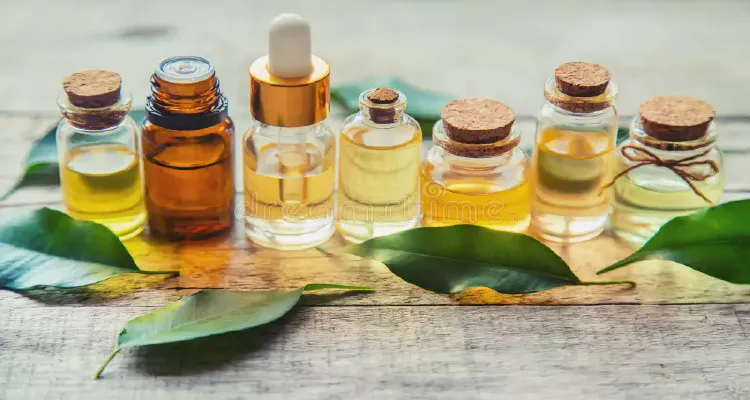
How Natural Oils Work for Acne-Prone Skin
Before we explore specific oils, let’s understand why they’re effective:
- Antimicrobial Action: Oils like tea tree kill acne-causing bacteria (Propionibacterium acnes), per a 2018 study in Antimicrobial Agents and Chemotherapy.
- Anti-Inflammatory Properties: Oils reduce redness and swelling, soothing irritated skin, per a 2019 study in Inflammation Research.
- Sebum Regulation: Oils like jojoba balance your skin’s oil production, preventing clogged pores.
- Healing and Repair: Oils like rosehip, rich in vitamins, fade scars and promote skin regeneration, per a 2017 study in Journal of Clinical and Aesthetic Dermatology.
These oils are like a tailored skincare team, addressing acne’s root causes while nurturing your skin. Now, let’s meet the stars: tea tree, jojoba, and rosehip.
1. Tea Tree Oil: The Acne-Fighting Powerhouse
Tea tree oil is like a superhero for breakouts, with terpinen-4-ol, a compound that kills bacteria and reduces inflammation. A 2017 study in Australasian Journal of Dermatology found that tea tree oil is as effective as benzoyl peroxide for mild to moderate acne, with fewer side effects like dryness.
I started using tea tree oil on a cystic pimple, and it was like watching the redness shrink by morning—my skin felt calmer, not attacked.
How to Use Tea Tree Oil:
- Spot Treatment: Dilute 1 drop of tea tree oil with 1 teaspoon of carrier oil (like jojoba or almond). Apply to blemishes with a cotton swab 1–2 times daily.
- Cleanser Boost: Add 1–2 drops to your gentle cleanser for an antimicrobial wash.
- DIY Mask: Mix 1 drop with 1 tablespoon of honey, apply for 10 minutes, then rinse. Use weekly.
Why It Works: Tea tree’s antimicrobial and anti-inflammatory properties target acne-causing bacteria and redness.
Safety Tips:
- Always dilute (5–10% concentration) to avoid irritation.
- Patch-test on your wrist to check for allergies.
- Avoid near eyes or open wounds.
- Stop if you notice redness or stinging.
2. Jojoba Oil: The Sebum Balancer
Jojoba oil is like a mirror for your skin’s natural oils, with a structure similar to sebum that tricks your skin into producing less oil. A 2018 study in Journal of Cosmetic Science found that jojoba reduces oiliness and hydrates, making it ideal for acne-prone skin.
My teenage cousin swapped harsh cleansers for jojoba oil, and her oily T-zone calmed down—it was like her skin found its balance.
How to Use Jojoba Oil:
- Moisturizer: Apply 2–3 drops to clean, damp skin after cleansing, morning or night.
- Makeup Remover: Massage 4–5 drops onto dry skin to dissolve makeup, then rinse with warm water.
- Carrier Oil: Use as a base to dilute tea tree or other essential oils for spot treatments.
Why It Works: Jojoba regulates sebum, hydrates without clogging pores, and soothes inflammation.
Safety Tips:
- Use non-comedogenic, cold-pressed jojoba oil to avoid pore-clogging.
- Start with a small amount if you have very oily skin.
- Store in a cool, dark place to maintain potency.

3. Rosehip Oil: The Scar-Healing Hero
Rosehip oil is like a magic eraser for acne scars, packed with vitamin A, vitamin C, and essential fatty acids that promote skin regeneration. A 2017 study in Journal of Clinical and Aesthetic Dermatology found that rosehip oil reduces hyperpigmentation and improves skin texture.
I started using rosehip oil on old acne marks, and it was like watching my skin renew itself—those stubborn spots faded, and my confidence soared.
How to Use Rosehip Oil:
- Night Serum: Apply 2–3 drops to clean skin before bed, massaging gently to boost absorption.
- Scar Treatment: Dab 1 drop directly on scars or dark spots twice daily.
- Moisturizer Mix: Blend 1 drop with your regular moisturizer for added glow.
Why It Works: Rosehip’s antioxidants and fatty acids repair damaged skin and fade scars.
Safety Tips:
- Choose cold-pressed, organic rosehip oil for maximum nutrients.
- Patch-test, as some may find it slightly irritating.
- Avoid during active breakouts if your skin is very oily.
- Use at night to prevent photosensitivity from vitamin A.
Additional Natural Oils for Acne and Blemishes
Beyond our star trio, these oils also shine for acne-prone skin:
4. Lavender Oil: The Soothing Healer
Lavender oil is like a calming breeze, with linalool that reduces inflammation and promotes healing. A 2019 study in Phytotherapy Research found that lavender oil has antimicrobial properties, aiding acne treatment.
How to Use: Dilute 1 drop with 1 teaspoon of jojoba oil and apply to blemishes or mix into a DIY mask.
Why It Works: Soothes redness and fights bacteria.
5. Grapeseed Oil: The Lightweight Moisturizer
Grapeseed oil is like a feather-light hug, with linoleic acid that balances oily skin. A 2018 study in Journal of Cosmetic Dermatology found it reduces sebum and hydrates.
How to Use: Apply 2–3 drops as a moisturizer or makeup remover.
Why It Works: Non-comedogenic and regulates oil production.
How to Use Natural Oils Safely for Acne-Prone Skin
To maximize the best natural oils to treat acne and blemishes, follow these safe practices:
1. Always Dilute Essential Oils
Tea tree and lavender are potent and can irritate undiluted.
How to Do It: Mix 1–2 drops of essential oil with 1 teaspoon of carrier oil (jojoba, grapeseed).
Why It’s Safe: Dilution prevents burns or sensitization, per a 2018 study in Contact Dermatitis.
2. Patch-Test First
Test oils to avoid allergic reactions or irritation.
How to Do It: Apply a diluted drop to your inner wrist, wait 24 hours, and check for redness or itching.
Why It’s Safe: Identifies sensitivities before facial use.
3. Cleanse Before Applying
Oils work best on clean skin to avoid trapping dirt.
How to Do It: Wash with a gentle, non-comedogenic cleanser, then apply oils to damp skin.
Why It’s Safe: Prevents clogged pores and enhances absorption.
4. Start Slowly
Introduce one oil at a time to monitor effects.
How to Do It: Use tea tree oil for a week before adding jojoba or rosehip.
Why It’s Safe: Helps identify what works or irritates your skin.
5. Avoid Overuse
Too much oil can overwhelm acne-prone skin.
How to Do It: Use 2–3 drops per application, 1–2 times daily, and skip oils during active, cystic breakouts.
Why It’s Safe: Prevents pore-clogging and irritation.
Practical Tips for Incorporating Natural Oils into Your Routine
Make the best natural oils to treat acne and blemishes a seamless part of your natural beauty routine:
- Create a Ritual: Apply oils while listening to music or practicing deep breathing—it’s like a mini spa moment.
- Keep It Simple: Start with a tea tree spot treatment or jojoba moisturizer before bed.
- Store Properly: Keep oils in dark, cool places to preserve potency (refrigerate rosehip if needed).
- Combine with Other Habits: Pair oils with a balanced diet and hydration to support skin health.
- Track Progress: Take weekly photos to see improvements in acne or scars—it’s like a visual diary of your glow-up.
Pro Tip: Make a DIY acne serum by mixing 1 ounce of jojoba oil with 5 drops of tea tree and 3 drops of lavender—apply nightly for a clear-skin boost.
Precautions and Who Should Avoid Certain Oils
While safe for most, some should use caution with these oils:
- Sensitive Skin: Tea tree or lavender may irritate; dilute heavily and patch-test, per a 2018 study in Contact Dermatitis.
- Allergies: Check for sensitivities to plants like ragweed (related to lavender) or nuts (some carrier oils).
- Pregnancy: Avoid tea tree or lavender in high doses due to hormonal effects; consult a doctor, per a 2019 study in Journal of Obstetrics and Gynecology.
- Severe Acne: Oils may not suffice for cystic acne; see a dermatologist for combined treatments.
Pro Tip: If you have chronic skin conditions like rosacea or eczema, consult a dermatologist before using oils.

FAQ: Your Questions About The Best Natural Oils to Treat Acne and Blemishes
Q: How long does it take to see results from natural oils?
A: Reduced redness can appear in 1–3 days; clearer skin or faded scars take 4–8 weeks with consistent use.
Q: Can I use these oils if I have oily skin?
A: Yes! Jojoba and grapeseed are lightweight and balance oil production, but use sparingly.
Q: Are natural oils safe for teens with acne?
A: Yes, when diluted and patch-tested. Tea tree and jojoba are great starters, but consult a dermatologist for severe acne.
Q: Can I mix multiple oils together?
A: Yes, like tea tree with jojoba, but introduce one at a time to monitor reactions. Keep blends simple (2–3 oils).
Q: What if oils make my acne worse?
A: Stop use, switch to a lighter oil (e.g., grapeseed), or consult a dermatologist. Overuse or poor-quality oils may clog pores.
Summary: Your Guide to The Best Natural Oils to Treat Acne and Blemishes
Here’s a recap of the best natural oils to treat acne and blemishes:
- Tea Tree Oil: Kills bacteria and reduces redness for spot treatments.
- Jojoba Oil: Balances sebum and hydrates without clogging pores.
- Rosehip Oil: Fades scars and promotes skin regeneration.
- Lavender Oil: Soothes inflammation and fights bacteria.
- Grapeseed Oil: Lightweight moisturizer for oily skin.
Practical Tips:
- Dilute essential oils and patch-test to ensure safety.
- Apply to clean skin, starting with small amounts.
- Use consistently for 4–8 weeks to see results.
- Combine with a healthy lifestyle for optimal skin health.
Conclusion: Glow with Nature’s Finest Oils
Acne and blemishes can feel like uninvited guests, but the best natural oils to treat acne and blemishes are like gentle bouncers, clearing the way for radiant skin. From tea tree’s bacteria-busting power to jojoba’s balancing touch and rosehip’s scar-fading magic, these oils remind us that beauty can be natural, simple, and kind. Whether you’re dabbing tea tree on a breakout or massaging rosehip into scars, you’re giving your skin the love it deserves. So, grab a bottle, start small, and watch your skin transform—you’ve got this!
What’s your favorite natural oil for skin, or which one are you excited to try? Share in the comments—I’d love to hear your glow-up story! And pass this along to a friend who’s ready to embrace clear skin naturally.


