


Have you ever stood in front of the mirror, scanning your skin for those pesky dry patches, unexpected breakouts, or that dullness that seems to linger no matter how much you sleep? I’ve been there, feeling like my skin is telling a story I don’t quite understand, wishing for a way to nurture it without a dozen bottles of chemical-laden products.
If you’re nodding along, you’re not alone. The beauty of a natural skincare routine is that it lets you care for your skin with simple, homemade ingredients straight from your kitchen or garden, offering a gentle, effective way to glow from the inside out.
In this article, we’ll guide you through crafting a natural skincare routine using science-backed homemade ingredients, share practical tips to make it part of your life, and show you how to love your skin at any age. Whether you’re a busy parent, a skincare newbie, or someone craving a cleaner beauty regimen, this guide is your invitation to glow naturally.
Why a Natural Skincare Routine with Homemade Ingredients Matters
Your skin is like a canvas, reflecting your health, lifestyle, and even your mood. It’s also your body’s first line of defense, battling pollution, stress, and weather changes daily. Commercial skincare products often promise miracles but can come with synthetic chemicals that irritate or disrupt your skin’s natural balance. A natural skincare routine using homemade ingredients offers a gentler alternative, harnessing the power of nature’s nutrients—vitamins, antioxidants, and essential fatty acids—to nourish and protect. According to a 2019 study in Journal of Cosmetic Dermatology, natural ingredients like honey and aloe vera can improve skin hydration and reduce inflammation without the side effects of synthetic compounds.
Think of your skin as a garden: with the right care, it blooms; neglect it, and it wilts. By using homemade ingredients, you’re giving your skin pure, wholesome love—no fancy packaging required. Let’s dive into building a natural skincare routine that’s simple, effective, and oh-so-satisfying.

Step 1: Cleansing with Homemade Ingredients
Cleansing is the foundation of any natural skincare routine, washing away dirt, oil, and impurities while keeping your skin’s natural oils intact. Harsh cleansers can strip your skin, but homemade options are gentle and nourishing.
Honey Cleanser: The Sweet Start
Honey is like a warm hug for your skin, with antimicrobial and humectant properties that cleanse and hydrate. A 2017 study in Oxidative Medicine and Cellular Longevity found that honey’s antioxidants soothe irritation and fight acne-causing bacteria.
I started using honey as a cleanser when my skin felt sensitive, and it was like a reset button—my face felt clean but never tight. My kids even love sneaking a dab for their own “spa time”!
How to Make a Honey Cleanser:
- Take 1 teaspoon of raw, organic honey (pasteurized for safety).
- Wet your face with warm water, then massage the honey in circular motions for 1–2 minutes.
- Rinse with lukewarm water and pat dry.
Why It Works: Honey gently removes impurities while locking in moisture, perfect for all skin types.
Oatmeal Cleanser: The Gentle Exfoliator
Oatmeal is like a soft scrub for your skin, with saponins that cleanse and antioxidants that soothe. A 2015 study in Journal of Drugs in Dermatology found that oatmeal reduces irritation and hydrates, ideal for sensitive skin.
How to Make an Oatmeal Cleanser:
- Grind 1 tablespoon of rolled oats into a fine powder.
- Mix with enough water or milk to form a paste.
- Massage onto damp skin for 30 seconds, then rinse off.
Why It Works: Oatmeal exfoliates dead skin cells while calming redness, making it great for dry or sensitive skin.
Step 2: Toning with Homemade Ingredients
Toning balances your skin’s pH and preps it for hydration. Homemade toners are refreshing and free from alcohol, which can dry out your skin.
Green Tea Toner: The Antioxidant Boost
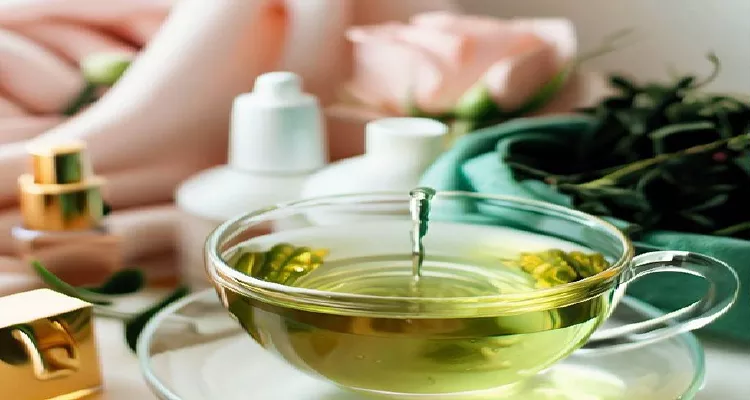
Green tea is like a sip of calm for your skin, packed with catechins that fight free radicals and reduce redness. A 2020 study in The Journal of Investigative Dermatology found that green tea extract protects against UV damage and soothes inflammation.
I love spritzing green tea toner on my face after a long day—it’s like a mini refresh that leaves my skin glowing. Even my teenage daughter sneaks it for her acne-prone skin!
How to Make a Green Tea Toner:
- Brew 1 cup of green tea using 1 teaspoon of loose leaves or a tea bag; let cool.
- Pour into a spray bottle or apply with a cotton pad after cleansing.
- Store in the fridge for up to a week.
Why It Works: Green tea’s antioxidants calm and protect, making it ideal for all skin types, especially oily or acne-prone skin.
Apple Cider Vinegar Toner: The Balancing Act
Apple cider vinegar (ACV) is like a reset for oily skin, with acetic acid that balances pH and reduces bacteria. A 2018 study in Journal of Cosmetic Science found that ACV can improve skin clarity.
How to Make an ACV Toner:
- Mix 1 part raw, unfiltered ACV with 4 parts water (dilute more for sensitive skin).
- Apply with a cotton pad after cleansing, avoiding the eye area.
- Follow with a moisturizer to lock in hydration.
Why It Works: ACV controls oil and tightens pores but should be diluted to avoid irritation.
Step 3: Moisturizing with Homemade Ingredients
Moisturizing keeps your skin hydrated and protected, sealing in the goodness of your natural skincare routine. Homemade moisturizers are rich and customizable.
Coconut Oil Moisturizer: The Tropical Hydrator
Coconut oil is like a cozy blanket for dry skin, loaded with medium-chain fatty acids and vitamin E. A 2018 study in Dermatitis found that it improves hydration and strengthens the skin barrier.
I started using coconut oil at night, and my skin went from flaky to silky. It’s like a vacation in a jar, and the scent is pure bliss.
How to Use Coconut Oil:
- Warm ½ teaspoon between your palms and massage into damp skin after toning.
- Use sparingly on oily skin to avoid clogging pores.
- Apply to dry elbows or heels for extra hydration.
Why It Works: Coconut oil locks in moisture and soothes, perfect for dry or normal skin.
Aloe Vera Gel: The Soothing Star
Aloe vera is like a cool drink for your skin, with vitamins C and E that hydrate and repair. A 2019 study in Phytomedicine found that aloe vera boosts collagen and reduces redness.
I keep an aloe plant on my windowsill, and a dab of fresh gel is my go-to for sunburns or irritation. It’s like nature’s first-aid kit!
How to Use Aloe Vera:
- Scoop 1 tablespoon of fresh aloe gel (or use organic store-bought gel).
- Apply a thin layer to clean skin as a lightweight moisturizer.
- Mix with a drop of jojoba oil for added hydration.
Why It Works: Aloe’s lightweight texture suits all skin types, especially sensitive or acne-prone skin.
Step 4: Weekly Treatments with Homemade Ingredients
Weekly treatments like masks and scrubs deepen your natural skincare routine, addressing specific concerns like dullness or congestion.
Avocado and Honey Mask: The Hydration Hero
Avocado is like a nutrient-packed smoothie for your face, with healthy fats and vitamin E. A 2019 study in Nutrients found that avocado improves skin elasticity, while honey adds moisture.
This mask saved my skin during a dry winter—it’s like a spa day at home, and my kids love helping me mash the avocado!
How to Make an Avocado and Honey Mask:
- Mash ¼ ripe avocado with 1 tablespoon of raw honey.
- Apply to clean skin, leave on for 15–20 minutes, then rinse.
- Use once a week for a hydration boost.
Why It Works: Avocado and honey nourish and plump, ideal for dry or mature skin.
Coffee and Coconut Oil Scrub: The Glow Getter
Coffee grounds are like a wake-up call for dull skin, gently exfoliating while boosting circulation. A 2018 study in Dermatitis found that coconut oil hydrates during exfoliation.
I use this scrub before date nights, and my skin looks so radiant—it’s like a morning coffee for my face!
How to Make a Coffee and Coconut Oil Scrub:
- Mix 1 tablespoon of used coffee grounds with 1 tablespoon of melted coconut oil.
- Massage gently onto damp skin for 30 seconds, then rinse.
- Use once a week to avoid over-exfoliation.
Why It Works: Coffee exfoliates while coconut oil hydrates, perfect for all skin types.

Practical Tips for Building Your Natural Skincare Routine
Creating a natural skincare routine with homemade ingredients is easier than you think. Here’s how to make it stick:
- Start Simple: Begin with a cleanser and moisturizer, then add toners or masks as you get comfortable.
- Patch-Test First: Apply new ingredients to your wrist to check for allergies or irritation.
- Use Fresh Ingredients: Fresh produce and high-quality oils maximize benefits.
- Keep It Consistent: Morning and evening routines (cleanse, tone, moisturize) take just 5 minutes.
- Store Properly: Refrigerate homemade toners or masks and use within a week to avoid spoilage.
Pro Tip: Turn your routine into a ritual—light a candle, play soft music, and enjoy the self-care moment. It’s like a daily gift to yourself.
Ingredients to Avoid in Your Natural Skincare Routine
While homemade ingredients are generally safe, some can irritate if misused. Here’s what to watch out for:
- Lemon Juice: Too acidic and photosensitive, per a 2017 study in Journal of Clinical and Aesthetic Dermatology.
- Undiluted Essential Oils: Can cause burns or allergies in high concentrations.
- Baking Soda: Disrupts skin’s pH, leading to irritation, per a 2018 study in Dermatitis.
- Sugar Scrubs: Too abrasive for facial skin; stick to gentle exfoliants like oatmeal.
Pro Tip: Always consult a dermatologist if you have chronic skin conditions like eczema or severe acne.
FAQ: Your Questions About a Natural Skincare Routine with Homemade Ingredients
Q: How long does it take to see results from a natural skincare routine?
A: Softer, brighter skin can appear in 1–2 weeks, but deeper improvements like reduced acne take 4–6 weeks.
Q: Are homemade ingredients safe for sensitive skin?
A: Yes, especially honey, aloe vera, and oatmeal, but patch-test first to avoid reactions.
Q: Can I use these remedies on my kids?
A: Some, like aloe vera or oatmeal, are gentle for kids over 2, but consult a pediatrician for younger children.
Q: How often should I do masks or scrubs?
A: Once or twice a week is ideal to avoid over-exfoliating or sensitizing your skin.
Q: Do I need to buy organic ingredients?
A: Organic is best to avoid pesticides, but high-quality, fresh ingredients work well too.
Summary: Your Guide to a Natural Skincare Routine with Homemade Ingredients
Here’s a quick recap of building a natural skincare routine with homemade ingredients:
- Cleansing: Honey or oatmeal cleansers gently remove impurities.
- Toning: Green tea or ACV toners balance and refresh.
- Moisturizing: Coconut oil or aloe vera hydrates and protects.
- Weekly Treatments: Avocado-honey masks hydrate; coffee-coconut scrubs exfoliate.
Practical Tips:
- Start simple and build your routine gradually.
- Patch-test new ingredients to ensure safety.
- Use fresh, high-quality ingredients for best results.
- Make it a relaxing ritual to enhance self-care.
Conclusion: Glow Naturally with Homemade Love
Your skin deserves to be loved, and a natural skincare routine with homemade ingredients is the perfect way to show it care. These simple remedies—honey, aloe vera, green tea, and more—are like a warm embrace from nature, nourishing your skin without the clutter of commercial products. Whether you’re soothing dry patches, calming breakouts, or just craving that radiant glow, this routine is about celebrating you. So, scoop out some honey, brew some green tea, and let your skin shine. You’ve got this.
What’s your favorite homemade skincare trick, or which one are you excited to try? Drop it in the comments—I’d love to hear your glow-up story! And share this with a friend who’s ready to embrace natural beauty.


