


Have you ever felt unsure about how to care for your intimate health, wondering what’s safe and what might be doing more harm than good?
I totally get it—navigating feminine hygiene can feel like walking through a minefield of products and advice. Maybe you’ve dealt with discomfort, irritation, or recurring infections, and you’re looking for gentle, natural ways to feel fresh and confident.
Here’s the good news: nature offers powerful solutions to support natural care for women’s intimate health, helping you maintain balance without harsh chemicals. In this guide, we’ll explore safe, science-backed ingredients and practices to nurture your intimate health, plus what to avoid to keep your body happy.
Whether you’re managing daily hygiene, menstrual care, or menopause-related changes, this article is your roadmap to feeling empowered and comfortable in your own skin.
Why Natural Care for Women’s Intimate Health Matters
Let’s be honest: intimate health isn’t something we talk about enough. It’s personal, sometimes embarrassing, and often surrounded by conflicting advice. I know how frustrating it can be to deal with irritation or infections and wonder if you’re using the right products. Many commercial feminine hygiene products contain fragrances, dyes, or chemicals that disrupt your body’s natural balance, leading to discomfort or worse.
Here’s where natural care for women’s intimate health shines. By choosing gentle, natural ingredients like aloe vera, chamomile, or coconut oil, you can support your body’s delicate ecosystem—the vaginal microbiome—while avoiding irritants. This guide will walk you through safe practices and products, backed by science, to keep you feeling fresh and healthy. We’ll also share what to steer clear of, with stories and tips to make it all feel approachable. Think of it as a conversation with a trusted friend who’s got your back. Ready to dive in?
The Science Behind Intimate Health
Before we get to the solutions, let’s talk about why your intimate health is so unique. Your vaginal microbiome is a delicate balance of bacteria, primarily lactobacilli, that keeps your pH slightly acidic (around 3.5-4.5) to ward off infections. Harsh soaps, douches, or scented products can disrupt this balance, leading to issues like bacterial vaginosis (BV) or yeast infections.
Science backs the natural approach. A 2020 study in Frontiers in Microbiology found that maintaining a healthy vaginal microbiome reduces infection risk, and natural ingredients like aloe vera can soothe without disrupting pH. Another study in Journal of Women’s Health (2019) showed that avoiding synthetic fragrances lowers irritation rates. **By choosing natural care for women’s intimate health, you’re working with your body’s natural defenses, not vado.
Meet Emily, a busy mom who struggled with recurring yeast infections. She was frustrated, thinking her hygiene routine was the problem. After switching to natural washes and avoiding scented pads, she noticed fewer infections and felt more comfortable. Small changes, big difference. That’s what we’re aiming for here.
Understanding Your Intimate Health Needs
Every woman’s body is different, and your needs may vary based on life stages or concerns. Here’s a quick guide:
- Daily Hygiene: Gentle, pH-balanced cleansers like aloe vera or chamomile support balance.
- Menstrual Care: Opt for organic cotton pads or tampons to avoid chemical exposure.
- Menopause: Moisturizing ingredients like coconut oil can ease dryness.
- Infection Prevention: Probiotics and tea tree oil can support a healthy microbiome.
Pro tip: Always listen to your body. If something feels off, consult a gynecologist. I learned this when I ignored irritation for too long—getting help early made all the difference.
Top Natural Ingredients for Women’s Intimate Health
Let’s dive into the stars of natural care for women’s intimate health. These ingredients are gentle, effective, and backed by science to keep you feeling fresh and healthy.
Aloe Vera: The Soothing Savior
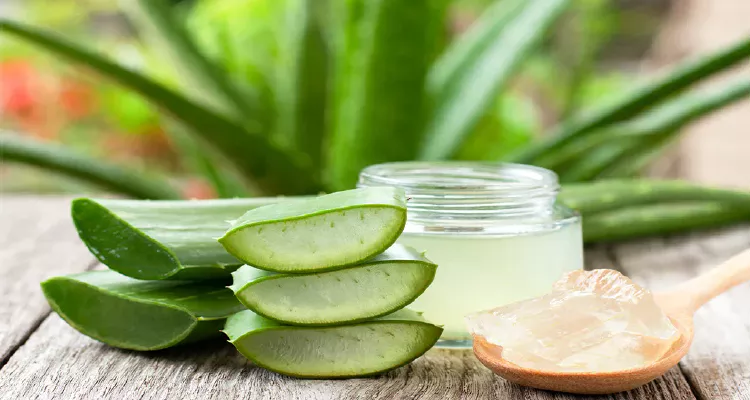
Aloe vera is a superhero for intimate health. Its anti-inflammatory and antimicrobial properties soothe irritation and support healing. A 2021 study in Phytotherapy Research found aloe vera effective for reducing vaginal irritation and promoting tissue repair.
Why it works: Aloe’s gel is pH-friendly and hydrates without disrupting the microbiome.
How to use it: Mix 2 tbsp pure aloe vera gel with 1 cup water for a gentle rinse. Use externally after showering. I started using an aloe rinse during my period, and it’s like a cooling hug for my skin.
Chamomile: The Calming Companion
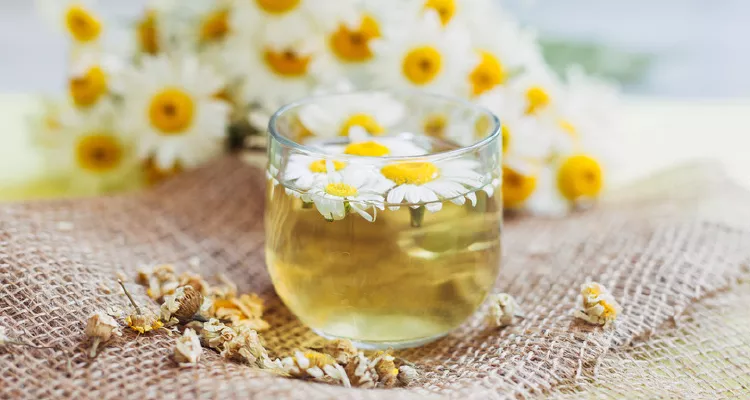
Chamomile is like a warm blanket for sensitive skin. Its anti-inflammatory and calming effects reduce redness and discomfort. A 2019 study in Journal of Ethnopharmacology showed chamomile’s ability to soothe mucosal irritation.
Why it works: Chamomile’s apigenin reduces inflammation and supports a healthy pH.
How to use it: Brew a strong chamomile tea (2 tsp dried flowers in 1 cup hot water), cool, and use as a rinse or soak a cloth for a compress. My friend Sarah uses chamomile compresses during her period—it’s her go-to for instant relief.
Coconut Oil: The Moisturizing Marvel
Coconut oil is a natural moisturizer, especially for menopausal dryness. Its fatty acids hydrate and fight bacteria. A 2020 study in Skin Pharmacology and Physiology confirmed coconut oil’s antimicrobial and moisturizing benefits.
Why it works: Coconut oil supports the skin barrier without disrupting vaginal pH.
How to use it: Apply a small amount (pea-sized) externally to dry areas. Avoid internal use to prevent microbiome disruption. My aunt Linda swears by coconut oil for menopause-related dryness—it’s been a game-changer.

Tea Tree Oil: The Infection Fighter
Tea tree oil is a powerful ally against infections. Its antifungal and antibacterial properties help prevent yeast infections and BV. A 2018 study in Molecules found tea tree oil effective against Candida species.
Why it works: Tea tree oil’s antimicrobial action supports a healthy microbiome when used diluted.
How to use it: Mix 2-3 drops of tea tree oil with 1 tbsp carrier oil (like coconut oil) and apply externally. Never use undiluted. I keep a diluted mix for those “just in case” moments—it’s saved me from irritation more than once.
Probiotics: The Microbiome Booster
Probiotics aren’t just for your gut—they’re great for vaginal health. They replenish good bacteria to prevent infections. A 2021 study in Beneficial Microbes showed that probiotic supplements reduced BV recurrence.
Why it works: Probiotics restore lactobacilli, maintaining an acidic pH.
How to use it: Take a daily probiotic supplement with strains like Lactobacillus rhamnosus or eat probiotic-rich yogurt. My cousin Anna added probiotics to her routine, and her infections dropped significantly.

What to Avoid for Intimate Health
Just as important as what to use is what to avoid. These common culprits can disrupt your vaginal microbiome and cause irritation:
Scented Products
Scented pads, tampons, or washes are a big no-no. Fragrances can irritate sensitive skin and alter pH. A 2019 study in Journal of Women’s Health linked scented products to higher irritation rates. I ditched scented tampons years ago, and my skin thanked me.
Douching
Douching washes away good bacteria, increasing infection risk. A 2020 study in American Journal of Obstetrics and Gynecology found douching linked to BV and yeast infections. Stick to external cleansing with natural rinses.
Harsh Soaps
Regular soaps are too alkaline for your intimate area. They strip natural oils and disrupt pH. Use pH-balanced, unscented cleansers instead. I learned this the hard way after using body wash down there—ouch!
Synthetic Underwear
Tight, non-breathable fabrics like polyester trap moisture, fostering bacteria. Opt for cotton underwear to keep things airy. Switching to cotton briefs was a small change that made a big difference for me.
Overwashing
Washing too often can dry out your skin and disrupt bacteria. Cleanse externally once daily with gentle ingredients. Less is more when it comes to intimate health.
How to Build a Natural Care Routine for Women’s Intimate Health
Creating a routine is simple and doesn’t require hours. Here’s a sample natural care for women’s intimate health routine:
Daily Hygiene
- Cleanse: Use an aloe vera rinse or chamomile tea externally after showering.
- Moisturize: Apply a tiny amount of coconut oil to dry areas (external only).
- Underwear: Wear breathable cotton underwear and change daily.
During Your Period
- Products: Use organic cotton pads or tampons to avoid chemicals.
- Relief: Apply a chamomile compress for irritation or cramps.
- Cleanse: Rinse with aloe vera twice daily to stay fresh.
Menopause Support
- Moisturize: Use coconut oil externally for dryness.
- Supplements: Take a daily probiotic to support vaginal health.
- Soothing: Try a chamomile rinse for comfort.
Pro tip: Keep a small bottle of aloe rinse in your bathroom for quick use. I labeled mine “Fresh Vibes” to make it feel like a treat.
The Science Behind Natural Care
Natural ingredients work because they respect your body’s balance. Here’s the research:
- Aloe Vera: Soothes and promotes tissue repair (Phytotherapy Research, 2021).
- Chamomile: Reduces mucosal irritation (Journal of Ethnopharmacology, 2019).
- Coconut Oil: Hydrates and fights bacteria (Skin Pharmacology and Physiology, 2020).
- Tea Tree Oil: Combats Candida and bacteria (Molecules, 2018).
- Probiotics: Restore lactobacilli to prevent infections (Beneficial Microbes, 2021).
These ingredients are like a gentle support team for your intimate health.
Common Myths About Intimate Health
Let’s bust some myths:
Myth 1: You Need Special Washes for Intimate Health
Not true! Simple, natural rinses like aloe or chamomile are often enough. I stopped buying expensive “feminine washes” and feel so much better.
Myth 2: Douching Keeps You Cleaner
Nope! Douching disrupts your microbiome and increases infection risk. Stick to external care.
Myth 3: All Natural Products Are Safe
Not always. Even natural ingredients like tea tree oil need dilution to avoid irritation. Always patch-test first.
FAQs About Natural Care for Women’s Intimate Health
Q: Can I use these ingredients internally?
A: No, stick to external use to avoid disrupting your vaginal microbiome. Consult a doctor for internal concerns.
Q: How often should I cleanse my intimate area?
A: Once daily with a gentle rinse is enough. Overwashing can cause dryness.
Q: Are natural products safe during pregnancy?
A: Many are, but check with your doctor, especially for tea tree oil or probiotics.
Q: Can I use these for my daughter?
A: Some, like aloe vera, are gentle, but consult a pediatrician for young girls.
Q: How soon will I see results?
A: Relief from irritation can be immediate, while microbiome balance may take weeks with consistent use.
Final Summary: Key Takeaways
Here’s a recap of natural care for women’s intimate health:
- Aloe Vera: Soothes irritation and hydrates.
- Chamomile: Calms redness and discomfort.
- Coconut Oil: Moisturizes, especially for menopause.
- Tea Tree Oil: Fights infections when diluted.
- Probiotics: Support a healthy microbiome.
- Avoid: Scented products, douching, harsh soaps, synthetic underwear.
- Practical Tip: Start with an aloe rinse and cotton underwear for an easy routine.
- Science Says: Natural ingredients support pH and microbiome health.
- Caution: Consult a doctor if you have infections or are pregnant.
Conclusion and Recommendation
Natural care for women’s intimate health is like giving your body a gentle, loving boost. I know how overwhelming it can feel to find safe solutions, but you don’t need fancy products to feel your best. Start with one simple change, like an aloe rinse or switching to cotton underwear, and see how your body responds. You deserve to feel comfortable and confident every day.
My personal take? Ditching scented products and adding chamomile to my routine has been a game-changer. It’s like my body finally feels at peace. You’ve got this—your wellness journey starts now. What’s one change you’re excited to try? Share in the comments below! And if this helped, pass it along to a friend who could use a little natural care.
Have you tried any of these natural care for women’s intimate health tips? Drop a comment with your favorites or share your own ideas—I’d love to hear them! And don’t forget to share this guide with someone who deserves to feel fresh and confident.


