


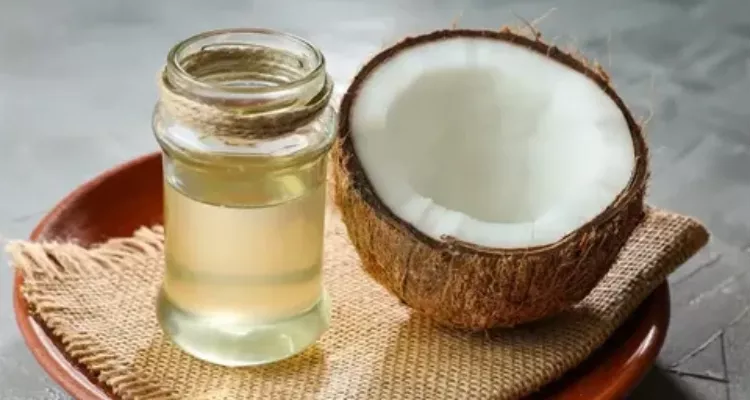
Have you ever stood in the grocery aisle, staring at a jar of coconut oil, wondering if it’s the miracle cure everyone raves about or just another health fad? I know that feeling—wanting to make the best choices for your body but feeling overwhelmed by conflicting advice. Coconut oil has been called everything from a superfood to a heart-health villain, leaving many of us confused. Maybe you’ve heard it can boost your energy, clear your skin, or even help you lose weight, but you’re not sure what’s true. That’s why I’m here to cut through the noise, share the science, and give you practical ways to use coconut oil—if it’s right for you.
In this deep dive, we’ll explore the myths and truths about coconut oil’s health benefits, grounded in research, with a warm and conversational tone. From its potential to support your heart to its role in skin care, we’ll unpack what science says and bust some common misconceptions. My goal is to leave you feeling confident, whether you decide to keep that jar in your kitchen or not. Let’s get started and discover what coconut oil can really do for you.
Uncover the myths and truths about coconut oil’s health benefits. Learn what science says about its effects on heart health, skin, and more, with practical tips for use.
Why Coconut Oil Sparks So Much Debate
Coconut oil is like that friend who everyone has an opinion about—some swear it’s the key to glowing health, while others warn it’s trouble. I’ve been there, wondering if I should slather it on my toast or keep it far from my pantry. The hype started years ago when coconut oil was hailed as a superfood, thanks to its unique fats and tropical charm. But then came the backlash, with headlines claiming its high saturated fat content could clog your arteries. So, what’s the truth?
The debate stems from coconut oil’s unique makeup—mostly saturated fats, but not the kind you find in butter or red meat. Its medium-chain triglycerides (MCTs) are what make it special, promising benefits like better energy or even brain health. But not all claims hold up under scrutiny. In this article, we’ll dig into the science behind coconut oil’s health benefits, bust some myths, and share practical ways to use it. Whether you’re a coconut oil fan or a skeptic, you’ll walk away with clarity and confidence.

The Science Behind Coconut Oil’s Health Benefits
To understand coconut oil, we need to get to know its building blocks. Don’t worry—I’ll keep it simple, like explaining a recipe to a friend. Let’s break down what makes coconut oil unique and why it’s got everyone talking.
What Is Coconut Oil, Anyway?
Coconut oil is made by pressing the fat from coconut meat, giving you a rich, creamy oil that’s solid at room temperature. It’s been used for centuries in tropical regions, not just for cooking but for skin care, hair care, and even traditional medicine. About 90% of coconut oil is saturated fat, which sounds scary but isn’t the whole story. The key players are medium-chain triglycerides (MCTs), which your body processes differently than other fats.
A 2019 study in Nutrients explains that coconut oil’s unique fatty acid profile, especially its high lauric acid content, gives it antimicrobial and anti-inflammatory properties. This matters to you because it means coconut oil isn’t just a cooking fat—it’s got potential to support your health in surprising ways.
The Role of Medium-Chain Triglycerides (MCTs)
MCTs are the superstars of coconut oil’s health benefits. Unlike long-chain fats found in most foods, MCTs are shorter, so your body absorbs and burns them quickly for energy. Think of them like kindling in a fire—quick to ignite and give you a burst of fuel. Lauric acid, which makes up about 50% of coconut oil, is a key MCT with antimicrobial powers, helping fight bacteria and viruses.
Research in The Journal of Lipid Research (2018) shows that MCTs are less likely to be stored as fat and more likely to be used for immediate energy. This is why my friend Anna swears by adding a spoonful of coconut oil to her coffee—she says it keeps her energized without the crash. While not a magic bullet, MCTs give coconut oil an edge over other fats.
Saturated Fat: Friend or Foe?
Here’s where things get tricky. Coconut oil is high in saturated fat, which has a bad rap for raising cholesterol. But not all saturated fats are equal. Coconut oil’s lauric acid may raise both “bad” (LDL) and “good” (HDL) cholesterol, potentially balancing things out. A 2020 meta-analysis in Circulation found that coconut oil doesn’t significantly increase heart disease risk compared to other saturated fats, but it’s not a heart-health hero either.
Why it matters to you: Understanding coconut oil’s fats helps you use it wisely—enjoy its benefits without overdoing it.

Health Benefits of Coconut Oil: What’s True?
Now that we know what’s in coconut oil, let’s explore what it can do for you. From heart health to glowing skin, here’s what science says about coconut oil’s health benefits, with relatable stories to bring it to life.
Coconut Oil and Heart Health
The big question: is coconut oil good or bad for your heart? I remember my dad worrying about his cholesterol and wondering if coconut oil was safe to cook with. The truth lies in the middle. While coconut oil’s saturated fats can raise LDL cholesterol, its lauric acid also boosts HDL, which protects your heart. A 2018 study in BMJ Open found that coconut oil didn’t significantly increase heart disease risk when used in moderation, especially compared to butter.
For example, my neighbor Priya uses coconut oil for her curries, and her doctor says her cholesterol levels are fine as long as she balances it with healthy fats like olive oil. The key is moderation—coconut oil can be part of a heart-healthy diet, but it’s not a cure for heart issues.
Practical tip: Use coconut oil for occasional cooking, like sautéing veggies, and pair it with unsaturated fats like avocado or nuts.
Boosting Energy and Metabolism
Ever feel like you’re dragging by mid-afternoon? I’ve had those days, reaching for another coffee just to get through. Coconut oil’s MCTs can give you a quick energy boost because your body converts them into fuel faster than other fats. A 2017 study in Physiology & Behavior showed that MCTs increased energy expenditure, meaning your body burns more calories even at rest.
My coworker Jake adds a teaspoon of coconut oil to his morning smoothie, saying it keeps him going until lunch without feeling sluggish. It’s not a substitute for a balanced diet, but it can help you power through busy days.
Practical tip: Stir a teaspoon of coconut oil into your morning coffee or smoothie for a sustained energy lift.
Coconut Oil for Skin and Hair Care
Coconut oil is a star in the beauty world, and for good reason. Its fatty acids hydrate skin and hair, while lauric acid’s antimicrobial properties can fight acne-causing bacteria. A 2019 study in Dermatitis found that coconut oil improved skin hydration and reduced inflammation in people with eczema.
When I had dry, flaky skin last winter, I tried coconut oil as a moisturizer, and it was like giving my skin a big drink of water. It’s also great for taming frizzy hair or soothing a dry scalp. Just a little goes a long way.
Practical tip: Use a small amount of coconut oil as a nighttime moisturizer or hair mask, but avoid overapplying to prevent clogged pores.

Supporting Digestion and Gut Health
If your stomach’s been acting up, coconut oil might help. I know how frustrating it is when bloating or discomfort ruins your day. Lauric acid has antimicrobial properties that can reduce harmful gut bacteria, while MCTs are easy to digest. A 2018 study in Frontiers in Microbiology suggested that coconut oil’s fatty acids support a healthy gut microbiome.
My aunt Maria swears by a teaspoon of coconut oil before meals to ease her digestion, especially after heavy foods. It’s not a cure for serious gut issues, but it can be a gentle ally.
Practical tip: Take a small spoonful of coconut oil before meals or use it in cooking to support digestion.
Coconut Oil and Brain Health
Could coconut oil help your brain? Some claim its MCTs provide an alternative energy source for brain cells, especially for conditions like Alzheimer’s. A 2020 study in Neurobiology of Aging found that MCTs improved cognitive function in some patients with mild cognitive impairment, but results are mixed.
My friend Sam’s mom, who’s in her 70s, adds coconut oil to her diet, hoping it keeps her mind sharp. While it’s not a proven Alzheimer’s treatment, it may support brain health as part of a healthy lifestyle.
Practical tip: Incorporate coconut oil into recipes like smoothies or baked goods for a brain-friendly fat.
Common Myths About Coconut Oil’s Health Benefits
With all the buzz around coconut oil, it’s easy to fall for myths. Let’s bust some common ones with science, so you can make informed choices.
Myth 1: Coconut Oil Is a Cure-All
You’ve probably seen claims that coconut oil fixes everything from diabetes to cavities. I’ve been tempted by those promises too, hoping for a one-stop health solution. But science says coconut oil isn’t a magic bullet. While it has benefits, like antimicrobial effects and skin hydration, it’s not a cure for serious conditions. Studies, like one in Nutrients (2019), show it’s a helpful addition, not a replacement for medical treatment.
Truth: Use coconut oil as part of a balanced lifestyle, not as a cure-all.
Myth 2: Coconut Oil Causes Heart Disease
The American Heart Association once warned against coconut oil due to its saturated fat content, scaring many away. But recent research, like the 2020 Circulation meta-analysis, shows coconut oil’s impact on heart health is neutral when used moderately. It raises both LDL and HDL cholesterol, unlike butter, which mainly raises LDL.
Truth: Coconut oil is fine in small amounts, but don’t make it your only cooking fat.
Myth 3: Coconut Oil Leads to Weight Loss
Social media loves to tout coconut oil as a weight-loss miracle. I’ve tried swapping it for butter, hoping for a quick fix, but the scale didn’t budge. While MCTs can boost metabolism slightly, a 2017 study in Obesity found that coconut oil doesn’t lead to significant weight loss on its own. It can support a healthy diet, but calories still count.
Truth: Coconut oil can aid metabolism but isn’t a weight-loss shortcut.
Practical Ways to Use Coconut Oil’s Health Benefits
Ready to give coconut oil a try? Here are easy ways to incorporate it into your life, plus tips on choosing the right kind and staying safe.
Simple Recipes and Applications
- Coconut Oil Coffee
- Blend 1 teaspoon of coconut oil into your morning coffee for a creamy, energizing drink.
- Add a pinch of cinnamon for extra flavor.
- Coconut Oil Roasted Veggies
- Toss veggies like sweet potatoes or broccoli with 1 tablespoon of coconut oil before roasting.
- Bake at 400°F for a crispy, flavorful side.
- Coconut Oil Skin Moisturizer
- Apply a small amount to dry skin after a shower for hydration.
- Mix with a drop of lavender oil for a calming scent.
- Coconut Oil Hair Mask
- Massage 1-2 tablespoons into your scalp and hair, leave for 30 minutes, then shampoo.
- Great for taming frizz and adding shine.
Why it matters to you: These simple ideas fit into your busy life, making it easy to enjoy coconut oil’s health benefits.
Choosing the Right Coconut Oil
Not all coconut oil is the same. Here’s how to pick the best:
- Virgin vs. Refined: Virgin coconut oil is unprocessed, retaining more nutrients and a coconutty flavor. Refined is better for high-heat cooking but may have fewer benefits.
- Organic: Choose organic to avoid pesticides and ensure purity.
- Storage: Keep coconut oil in a cool, dry place—it lasts for years!
Pro tip: Look for “cold-pressed” on the label for maximum nutrient retention.
Precautions for Safe Use
Coconut oil is safe for most, but keep these in mind:
- Moderation: Limit to 1-2 tablespoons daily to avoid excess calories or cholesterol concerns.
- Allergies: Test on a small skin patch first, as some people are sensitive.
- Digestive Issues: Too much coconut oil can cause diarrhea or stomach upset in some. Start small.
- Medications: Consult your doctor if you’re on cholesterol or heart medications.
Why it matters to you: Using coconut oil wisely means you get the benefits without any hiccups.

Scientific Evidence Behind Coconut Oil’s Health Benefits
Let’s get to the nitty-gritty with some science, but I’ll keep it light and clear. Here’s what research says about coconut oil’s health benefits:
- Heart Health: A 2020 meta-analysis in Circulation found coconut oil has a neutral effect on heart disease risk when used in moderation, unlike butter or palm oil.
- Energy and Metabolism: A 2017 study in Physiology & Behavior showed MCTs in coconut oil increased energy expenditure by 5% in some participants.
- Skin and Hair: A 2019 study in Dermatitis confirmed coconut oil’s ability to hydrate skin and reduce inflammation in eczema patients.
- Gut Health: Research in Frontiers in Microbiology (2018) highlighted lauric acid’s role in reducing harmful gut bacteria.
- Brain Health: A 2020 study in Neurobiology of Aging suggested MCTs may improve cognitive function in mild cognitive impairment, but more research is needed.
These studies show coconut oil has real benefits, but it’s not a cure-all. Use it as part of a balanced approach to health.
FAQs About Coconut Oil’s Health Benefits
Q: How much coconut oil is safe to use daily?
A: Stick to 1-2 tablespoons to enjoy benefits without excess calories or fat.
Q: Can coconut oil help with serious skin conditions?
A: It can hydrate and reduce inflammation for conditions like eczema, but consult a dermatologist for serious issues.
Q: Is coconut oil better than olive oil?
A: Both have benefits—coconut oil is great for energy and skin, while olive oil shines for heart health. Use both in moderation.
Q: Does coconut oil clog arteries?
A: In moderation, it doesn’t significantly increase heart disease risk, but don’t overdo it due to its saturated fat content.
Q: Can I cook with coconut oil every day?
A: Yes, but balance it with other healthy fats like olive or avocado oil for variety.
Final Summary: Making Sense of Coconut Oil’s Health Benefits
Coconut oil isn’t a miracle or a menace—it’s a versatile tool with science-backed benefits when used wisely. Here’s the rundown:
- Heart Health: Neutral effect when used moderately, not a heart disease culprit.
- Energy Boost: MCTs provide quick energy and may support metabolism.
- Skin and Hair: Hydrates and fights bacteria, great for dry skin or frizzy hair.
- Gut Health: Lauric acid supports a healthy microbiome.
- Brain Health: May offer cognitive benefits, but more research is needed.
Practical Tips:
- Use 1-2 tablespoons daily in cooking, coffee, or skincare.
- Choose virgin, organic coconut oil for maximum benefits.
- Balance with other healthy fats for a well-rounded diet.
Cautions: Watch portion sizes, test for allergies, and consult your doctor if you have health concerns.
So, what do you think—ready to give coconut oil a spot in your routine? Whether it’s a spoonful in your coffee or a dab on your skin, this versatile oil can be a small step toward feeling your best. Have you tried coconut oil before, or got a favorite way to use it? Share your tips in the comments—I’d love to hear them! If this article cleared up some confusion, pass it along to a friend who’s been wondering about coconut oil’s health benefits too.


