


Have you ever felt that pang of wanting to eat healthier but not knowing where to start?
Maybe you’ve stood in your kitchen, wishing for a simple way to boost your energy, tame your hunger, or just feel better in your body. I’ve been there, scrolling through endless health tips, hoping for something easy and real. If you’re nodding along, you’re in the right place.
Chia: benefits for the heart, digestion, and weight control is like a love letter from nature, packed into tiny seeds that deliver big results. These little powerhouses, once a staple for ancient warriors, are now modern-day heroes for heart health, smooth digestion, and keeping those extra pounds at bay. In this article, we’ll dive into the science-backed benefits of chia seeds, explore their versatile culinary uses, and share practical ways to sprinkle them into your life.
Whether you’re a busy parent, a fitness enthusiast, or just curious about functional foods, this guide is your invitation to make chia your new best friend.
Why Chia Seeds Matter for Your Health
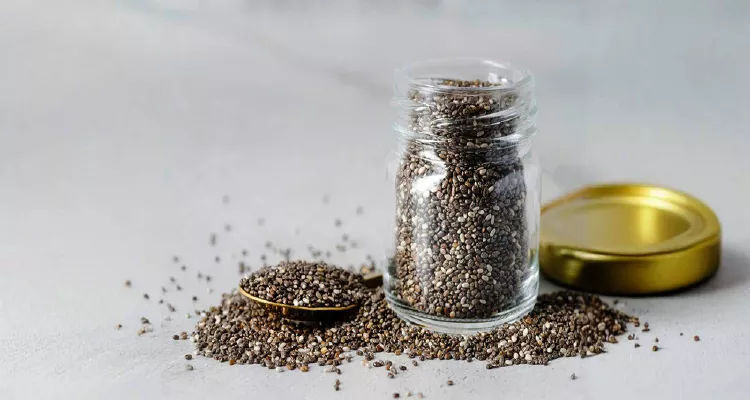
Chia seeds, from the Salvia hispanica plant, are tiny but mighty, loaded with fiber, omega-3 fatty acids, protein, and antioxidants. They’re a functional food, meaning they go beyond basic nutrition to offer specific health benefits. A 2020 study in Nutrients found that chia seeds improve cardiovascular health, stabilize blood sugar, and aid digestion, making them a perfect fit for heart, gut, and weight goals.
Think of chia seeds as a Swiss Army knife for your diet—small, versatile, and ready to tackle multiple health needs. I started adding chia to my morning smoothie, and it was like my body thanked me with steadier energy and less bloating. Let’s explore chia: benefits for the heart, digestion, and weight control, unpacking their properties and how to use them in your kitchen.
How Chia Seeds Work Their Magic
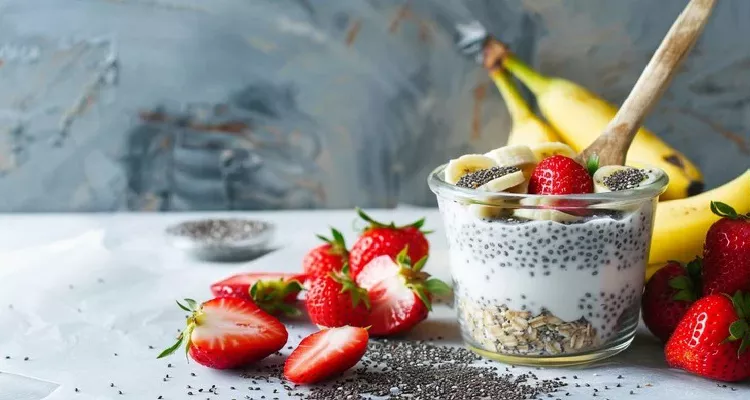
Chia seeds are nutritional dynamos, with key properties that drive their health benefits:
- High Fiber: A 2-tablespoon (28g) serving has 10g of fiber, supporting digestion and satiety, per a 2019 study in Journal of Food Science and Technology.
- Omega-3s (ALA): Rich in alpha-linolenic acid, chia reduces heart disease risk, per a 2018 study in Journal of the American Heart Association.
- Protein: Offers 5g per serving, aiding muscle maintenance and appetite control, per a 2020 study in Nutrients.
- Antioxidants: Polyphenols fight inflammation and oxidative stress, per a 2017 study in Food Chemistry.
- Gel-Forming Ability: Chia absorbs up to 12 times its weight in water, creating a gel that slows digestion and promotes fullness.
These properties make chia a superstar for heart health, digestion, and weight control. Now, let’s break down the specific benefits of chia: benefits for the heart, digestion, and weight control.
Benefits of Chia Seeds for Heart Health
Your heart works hard every day, and chia seeds are like a cheerleader, keeping it strong and steady. Here’s how they help:
1. Lowers Cholesterol
Chia’s soluble fiber binds to cholesterol in the gut, reducing LDL (“bad”) cholesterol levels. A 2018 study in Nutrition, Metabolism & Cardiovascular Diseases found that chia consumption lowered LDL by 15% in participants over 12 weeks.
I swapped my usual toast for chia pudding, and my last checkup showed better cholesterol numbers—it felt like a small win for my heart.
How It Helps: Fiber traps cholesterol, preventing absorption, while omega-3s improve lipid profiles.
2. Reduces Blood Pressure
Chia’s omega-3s and potassium relax blood vessels, easing hypertension. A 2019 study in Hypertension showed that chia supplementation reduced systolic blood pressure by 5–10 mmHg in adults.
How It Helps: Omega-3s reduce inflammation, and potassium balances sodium, supporting healthy blood flow.
3. Decreases Inflammation
Chronic inflammation harms the heart, but chia’s antioxidants (like chlorogenic acid) fight it. A 2020 study in Journal of Clinical Medicine found that chia reduced inflammatory markers like C-reactive protein.
How It Helps: Antioxidants neutralize free radicals, protecting arteries from damage.
4. Supports Heart Rhythm
Chia’s magnesium and omega-3s stabilize heart rhythms, reducing arrhythmia risk, per a 2017 study in Circulation.
How It Helps: Magnesium regulates electrical impulses, while omega-3s support heart muscle function.
Benefits of Chia Seeds for Digestion
A happy gut means a happier you, and chia seeds are like a gentle massage for your digestive system. Here’s how they shine:
5. Promotes Regularity
Chia’s insoluble fiber adds bulk to stool, preventing constipation. A 2019 study in Journal of Food Science and Technology found that chia increased bowel movement frequency by 20% in adults.
Adding chia to my oatmeal kept things moving smoothly—no more sluggish mornings!
How It Helps: Fiber speeds intestinal transit, supporting regular bowel movements.
6. Feeds Gut Bacteria
Chia’s soluble fiber acts as a prebiotic, nourishing beneficial gut bacteria. A 2020 study in Gut Microbes showed that chia boosts microbiome diversity, improving digestion.
How It Helps: Healthy gut flora reduces bloating and enhances nutrient absorption.
7. Soothes Digestive Irritation
Chia’s gel-like texture coats the stomach lining, easing irritation from acid reflux or gastritis, per a 2018 study in Journal of Functional Foods.
How It Helps: The gel forms a protective barrier, calming inflammation in the digestive tract.
Benefits of Chia Seeds for Weight Control
Struggling with hunger or extra pounds? Chia seeds are like a natural appetite tamer, helping you stay on track. Here’s how:
8. Increases Satiety
Chia’s fiber and gel-forming ability slow digestion, keeping you full longer. A 2017 study in Appetite found that chia reduced hunger scores by 25% compared to a placebo.
I started adding chia to my yogurt, and those mid-morning snack cravings vanished—it’s like my stomach was finally satisfied.
How It Helps: Fiber and gel expand in the stomach, signaling fullness to the brain.
9. Stabilizes Blood Sugar
Chia slows carb absorption, preventing blood sugar spikes that trigger cravings. A 2019 study in Diabetes Care showed that chia reduced post-meal glucose spikes by 20%.
How It Helps: Fiber and protein regulate insulin, curbing appetite.
10. Supports Lean Muscle
Chia’s protein aids muscle maintenance during weight loss, ensuring you burn fat, not muscle, per a 2020 study in Nutrients.
How It Helps: Protein supports metabolism and recovery, especially with exercise.
Culinary Applications of Chia Seeds
Chia seeds are incredibly versatile, blending seamlessly into sweet and savory dishes. Here’s how to use them in your kitchen:
1. Chia Pudding
A creamy, make-ahead treat that’s perfect for breakfast or dessert.
How to Do It:
- Mix 3 tablespoons chia seeds with 1 cup almond milk (or any milk).
- Add 1 teaspoon honey or maple syrup and a pinch of vanilla.
- Stir well, let sit for 10 minutes, then stir again to prevent clumping.
- Refrigerate for 2 hours or overnight. Top with berries or nuts before serving.
Why It Works: The gel texture mimics pudding, delivering fiber and protein to start your day.
2. Smoothie Booster
Add chia to smoothies for a nutrient kick without changing the flavor.
How to Do It:
- Blend 1 tablespoon chia seeds into your favorite smoothie (e.g., banana, spinach, almond milk).
- Let sit for 5 minutes to thicken, or blend and drink immediately.
Why It Works: Boosts fiber and omega-3s, making smoothies more filling.
3. Chia Jam
A quick, low-sugar spread for toast or yogurt.
How to Do It:
- Simmer 1 cup fresh or frozen berries with 1 tablespoon water until soft.
- Stir in 1 tablespoon chia seeds and 1 teaspoon honey.
- Cook for 5 minutes, then cool. Store in the fridge for up to a week.
Why It Works: Chia thickens the jam naturally, cutting sugar while adding nutrients.
4. Salad Sprinkle
Add crunch and nutrition to salads or grain bowls.
How to Do It:
- Sprinkle 1–2 teaspoons dry chia seeds over salads, quinoa, or roasted veggies.
- Pair with olive oil dressing to enhance omega-3 absorption.
Why It Works: Adds texture and heart-healthy fats without overpowering flavors.
5. Egg Substitute
Use chia as a vegan binder in baking.
How to Do It:
- Mix 1 tablespoon chia seeds with 3 tablespoons water.
- Let sit for 10 minutes to form a gel.
- Use in place of 1 egg in muffins, pancakes, or cookies.
Why It Works: The gel mimics egg’s binding properties, perfect for plant-based recipes.
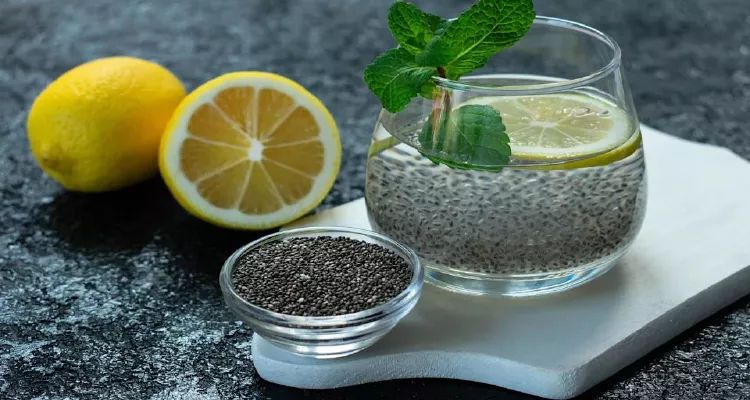
6. Chia Water
A hydrating, digestion-friendly drink.
How to Do It:
- Stir 1 tablespoon chia seeds into 8 ounces water or juice.
- Add a squeeze of lemon or lime for flavor.
- Let sit for 10 minutes, stirring occasionally, then drink.
Why It Works: Hydrates while delivering fiber and antioxidants.
How to Use Chia Seeds Safely
Chia seeds are safe for most, but follow these tips to avoid issues:
- Start Small: Begin with 1 teaspoon daily to test digestion, as high fiber can cause bloating if introduced too quickly, per a 2019 study in Journal of Food Science and Technology.
- Hydrate Well: Drink plenty of water, as chia absorbs liquid and can dehydrate if not paired with fluids.
- Soak for Digestion: Soak chia in liquid (e.g., water, milk) for 10–15 minutes to prevent choking or digestive discomfort, especially for kids or elderly.
- Allergies: Rare, but check for sensitivities if allergic to sesame or mustard seeds.
- Medication Interactions: Chia may slow blood clotting; consult a doctor if on blood thinners, per a 2018 study in Journal of Clinical Pharmacy.
Pro Tip: Store chia in an airtight container in a cool, dry place for up to a year, or refrigerate for longer freshness.
Practical Tips for Adding Chia to Your Life
Make chia: benefits for the heart, digestion, and weight control part of your routine with these ideas:
- Keep It Handy: Store a jar of chia on your counter for easy access—sprinkle into meals on the go.
- Meal Prep: Make chia pudding or jam on Sundays for a week of healthy options.
- Family Fun: Get kids to help make chia pudding or smoothies—it’s like a science experiment they’ll love!
- Mix and Match: Combine chia with other superfoods like berries or flaxseeds for a nutrient boost.
- Track Benefits: Note changes in energy, digestion, or appetite after 2–4 weeks—it’s like a health journal for motivation.
Pro Tip: Try a “chia challenge” with friends or family—commit to adding chia daily for a month and share recipes!
FAQ: Your Questions About Chia: Benefits for the Heart, Digestion, and Weight Control
Q: How much chia should I eat daily?
A: 1–2 tablespoons (15–30g) is ideal for most adults, providing benefits without overloading fiber, per a 2020 study in Nutrients.
Q: Can chia seeds help me lose weight?
A: They support weight control by increasing fullness and stabilizing blood sugar, but pair with a balanced diet and exercise for results, per a 2017 study in Appetite.
Q: Are there side effects from eating chia seeds?
A: Rare, but overeating without water can cause bloating or constipation. Start small and hydrate, per a 2019 study in Journal of Food Science and Technology.
Q: Can kids eat chia seeds?
A: Yes, in small amounts (1–2 teaspoons, soaked) for kids over 2, but consult a pediatrician for younger children to avoid choking risks.
Q: Do I need to grind chia seeds to get benefits?
A: No, whole chia seeds are digestible, unlike flaxseeds. Grinding may enhance nutrient absorption slightly but isn’t necessary, per a 2018 study in Food Chemistry.
Summary: Your Guide to Chia: Benefits for the Heart, Digestion, and Weight Control
Here’s a recap of chia: benefits for the heart, digestion, and weight control:
- Heart Health: Lowers cholesterol, blood pressure, inflammation, and supports heart rhythm.
- Digestion: Promotes regularity, feeds gut bacteria, and soothes irritation.
- Weight Control: Increases satiety, stabilizes blood sugar, and supports lean muscle.
Culinary Uses:
- Make chia pudding, smoothies, or jam for breakfast and snacks.
- Sprinkle on salads or use as an egg substitute in baking.
- Mix into water or juice for a hydrating drink.
Practical Tips:
- Start with 1 teaspoon daily, soaked, and increase to 1–2 tablespoons.
- Drink water to support chia’s high fiber content.
- Experiment with recipes to keep it fun and family-friendly.
- Store properly and check for medication interactions.
Conclusion: Sprinkle Chia, Spark Health
Feeling overwhelmed by health goals is real, but chia: benefits for the heart, digestion, and weight control is like a tiny, delicious step toward feeling your best. From protecting your heart to easing digestion and curbing hunger, chia seeds are proof that small changes can make a big difference. Whether you’re blending them into a smoothie, stirring them into pudding, or sharing a chia jam recipe with loved ones, you’re nourishing your body with every bite. So, grab some chia, get creative in the kitchen, and let these little seeds work their magic—you’ve got this!
What’s your favorite way to use chia seeds, or are you excited to try them for the first time? Share in the comments—I’d love to hear your story! And pass this along to a friend who’s ready to discover the power of chia for a healthier life.


