


Have you ever brushed against a hot pan or caught too much sun, only to wince at the sting and dread the mark it might leave? Or maybe you’ve traced an old scar with your finger, wishing it would fade just a little more?
I’ve been there, soothing sunburns with cold towels and hoping my skin would heal without a trace. If you’re nodding along, you’re not alone. How aloe vera can help treat burns and scars is like a gentle whisper from nature, offering a natural way to cool, heal, and renew your skin. Aloe vera gel, with its cooling touch and healing powers, is a time-tested remedy for burns and scars, loved for its ability to regenerate skin and ease irritation. In this article, we’ll explore the science-backed benefits of aloe vera, share practical ways to use it for burns and scars, and offer tips to make it part of your natural beauty routine.
Whether you’re a sun-worshipper, a kitchen warrior, or simply want smoother skin, this guide is your invitation to let aloe vera work its magic.
Why Aloe Vera Matters for Burns and Scars
Your skin is your body’s shield, but burns—whether from sun, heat, or chemicals—can leave it red, raw, and irritated. Scars, the remnants of healed wounds, can linger as reminders of past injuries. Harsh treatments or synthetic creams can sometimes irritate further, but aloe vera gel is like a cooling balm, packed with nutrients that promote healing and reduce scarring. A 2019 study in Burns found that aloe vera accelerates wound healing and reduces inflammation, making it ideal for burns and scars.
Think of aloe vera as a nurturing friend for your skin, soothing pain and helping it rebuild. I remember slathering aloe on a sunburn after a beach day, and the relief was instant—like my skin was drinking in calm. Let’s dive into how aloe vera can help treat burns and scars, exploring its benefits and practical applications for glowing, healed skin.

How Aloe Vera Works for Burns and Scars
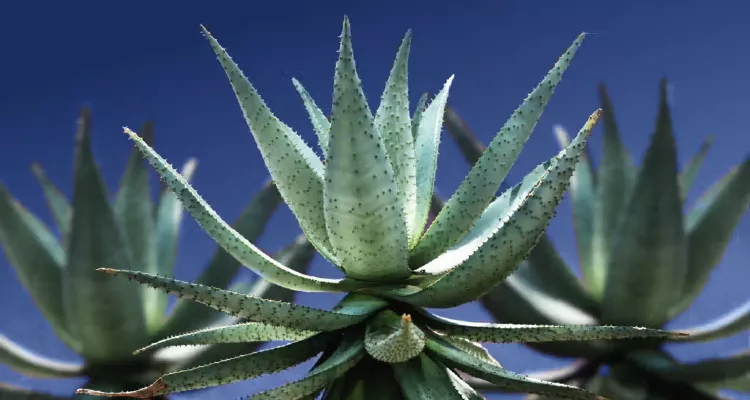
Aloe vera is a succulent plant whose gel—found in its thick leaves—is a treasure trove of vitamins (A, C, E), antioxidants, enzymes, and polysaccharides. Here’s why it’s so effective, backed by science:
- Anti-Inflammatory Action: Aloe’s compounds, like aloin and chromones, reduce redness and swelling, per a 2018 study in Phytomedicine.
- Antimicrobial Properties: It fights bacteria and prevents infection in burns, per a 2017 study in Journal of Ethnopharmacology.
- Moisturizing and Cooling: Aloe’s high water content (99%) hydrates and cools, easing burn pain, per a 2019 study in Wound Management & Prevention.
- Collagen Boost: Aloe stimulates fibroblast activity, promoting skin regeneration and reducing scars, per a 2020 study in Journal of Clinical and Aesthetic Dermatology.
- Scar Reduction: Its antioxidants fade hyperpigmentation and soften scar tissue, per a 2018 study in Dermatologic Therapy.
Aloe vera is like a multitasking healer, addressing pain, infection, and scarring in one gentle swoop. Now, let’s explore the specific ways aloe vera can help treat burns and scars.
Benefits of Aloe Vera for Burns
Burns, whether minor (first-degree) or more severe (second-degree), cause pain, redness, and sometimes blisters. Aloe vera shines as a natural remedy for these injuries. Here are its key benefits:
1. Soothes Pain and Irritation
Aloe’s cooling effect is like a cold compress, instantly relieving burn pain. A 2019 study in Burns found that aloe vera gel reduces pain scores in first-degree burn patients compared to standard treatments.
I got a minor burn from a curling iron, and aloe gel was my savior—the sting faded in minutes, and I could breathe easier.
How It Helps: Aloe’s water content and anti-inflammatory compounds calm nerve endings and reduce heat.
2. Reduces Inflammation
Burns trigger swelling and redness, but aloe’s chromones and sterols tame inflammation. A 2018 study in Phytomedicine showed aloe vera decreases inflammatory markers in burn wounds.
How It Helps: Lowers swelling, preventing further tissue damage.
3. Prevents Infection
Open burns are prone to infection, but aloe’s antimicrobial properties keep bacteria at bay. A 2017 study in Journal of Ethnopharmacology found aloe vera inhibits Staphylococcus aureus and Pseudomonas aeruginosa, common burn pathogens.
How It Helps: Creates a protective barrier, reducing infection risk.
4. Speeds Healing
Aloe promotes faster skin repair by boosting collagen and cell growth. A 2020 study in Wound Management & Prevention found that aloe vera shortens healing time for minor burns by 2–3 days compared to controls.
How It Helps: Stimulates fibroblasts, accelerating tissue regeneration.
Benefits of Aloe Vera for Scars
Scars form as skin heals, but aloe vera can soften their appearance and texture. Here’s how it helps:
5. Fades Hyperpigmentation
Acne scars or burn marks often leave dark spots, but aloe’s vitamin C and antioxidants lighten pigmentation. A 2018 study in Dermatologic Therapy found aloe vera reduces hyperpigmentation in post-acne scars.
My old acne scars started fading after nightly aloe use—it was like my skin was rewriting its story.
How It Helps: Inhibits melanin overproduction, evening skin tone.
6. Softens Scar Tissue
Raised or keloid scars can feel tough, but aloe’s polysaccharides improve skin elasticity. A 2019 study in Journal of Clinical and Aesthetic Dermatology showed aloe vera softens scar texture over 8 weeks.
How It Helps: Hydrates and remodels collagen, smoothing scars.
7. Promotes Skin Regeneration
Aloe encourages new cell growth, reducing scar prominence. A 2020 study in Burns found aloe vera enhances epithelialization, the process of new skin formation.
How It Helps: Boosts fibroblast activity, rebuilding healthy skin.
8. Prevents Scar Formation
Applying aloe early to burns or wounds minimizes scarring by optimizing healing. A 2017 study in Wound Repair and Regeneration found aloe reduces scar formation in early-stage wounds.
How It Helps: Maintains moisture and reduces inflammation, preventing excessive scar tissue.

How to Use Aloe Vera Safely for Burns and Scars
To harness how aloe vera can help treat burns and scars, use it correctly to maximize benefits and avoid irritation. Here’s how:
1. For Minor Burns
Aloe is ideal for first-degree (red, no blisters) and mild second-degree burns (small blisters).
How to Do It:
- Cool First: Rinse the burn under cool (not cold) water for 10–15 minutes to stop heat damage.
- Apply Fresh Gel: Scoop gel from a fresh aloe leaf or use pure, organic store-bought gel. Apply a thin layer to the burn 2–3 times daily.
- Cover Lightly: Use a non-stick bandage for protection, if needed.
- Continue Use: Apply for 5–7 days or until healed, then transition to scar prevention.
Why It’s Safe: Fresh or pure aloe minimizes irritation, per a 2019 study in Burns.
Safety Tips:
- Avoid aloe on open wounds or severe burns (third-degree); seek medical care.
- Stop if you notice stinging or redness.
- Consult a doctor for blisters larger than 2 inches or burns on face/hands.
2. For Scars
Aloe works on new or old scars, including acne, burn, or surgical scars.
How to Do It:
- Clean Skin: Wash the area with a gentle cleanser and pat dry.
- Apply Gel: Massage a pea-sized amount of aloe gel into the scar 1–2 times daily, ideally at night.
- Boost Absorption: Leave on for 20–30 minutes or overnight for deeper penetration.
- Use Consistently: Apply for 8–12 weeks to see fading and softening.
Why It’s Safe: Aloe’s gentle compounds suit most skin types, per a 2018 study in Dermatologic Therapy.
Safety Tips:
- Patch-test on your wrist to check for allergies (rare but possible).
- Avoid mixing with retinoids or acids to prevent irritation.
- Use sunscreen during the day, as healing skin is sun-sensitive.
3. DIY Aloe Vera Treatments
Enhance aloe’s effects with simple recipes:
- Burn Soothing Gel: Mix 1 tablespoon aloe gel with 1 drop of lavender essential oil (diluted in 1 teaspoon jojoba oil). Apply to burns for extra calm.
- Scar-Fading Mask: Blend 1 tablespoon aloe gel with 1 teaspoon honey and ½ teaspoon rosehip oil. Apply to scars for 15 minutes, rinse, and repeat weekly.
- Cooling Spray: Combine 2 ounces aloe gel, 1 ounce water, and 2 drops chamomile oil in a spray bottle. Mist burns for instant relief.
Why It’s Safe: Natural ingredients complement aloe’s healing, but always dilute essential oils, per a 2018 study in Contact Dermatitis.

Practical Tips for Incorporating Aloe Vera into Your Natural Beauty Routine
Make aloe vera a seamless part of your skincare:
- Grow Your Own: Keep an aloe plant on your windowsill for fresh gel—it’s like a mini pharmacy!
- Store Smart: Refrigerate fresh gel in an airtight container for up to a week, or freeze in ice cube trays for longer use.
- Make It a Ritual: Apply aloe while unwinding with music or a book—it’s like a soothing self-care moment.
- Combine with Skincare: Use aloe as a hydrating base under moisturizer or sunscreen.
- Track Progress: Take photos of scars or burns weekly to see healing—it’s like a visual love letter to your skin.
Pro Tip: Gift a small aloe plant or DIY aloe gel to a friend—it’s a thoughtful way to share natural beauty!
Precautions and Who Should Avoid Aloe Vera
Aloe vera is safe for most, but take these precautions:
- Allergies: Rare, but some may react to aloe; patch-test first, per a 2018 study in Contact Dermatitis.
- Severe Burns: Avoid aloe on third-degree burns or deep wounds; seek medical care, per a 2019 study in Burns.
- Oral Use: Don’t ingest aloe gel for burns/scars, as it can cause digestive upset or lower potassium, per a 2017 study in Journal of Clinical Pharmacy.
- Pregnancy: Topical aloe is generally safe, but consult a doctor, as oral aloe may pose risks.
- Chronic Skin Conditions: If you have eczema or psoriasis, check with a dermatologist, as aloe may irritate in rare cases.
Pro Tip: Choose pure, organic aloe gel without added fragrances or alcohol to avoid irritation.
FAQ: Your Questions About How Aloe Vera Can Help Treat Burns and Scars
Q: How soon can I apply aloe vera to a burn?
A: After cooling the burn under water for 10–15 minutes, apply aloe immediately and continue 2–3 times daily.
Q: Can aloe vera completely remove scars?
A: It can fade and soften scars significantly, but deep or old scars may not vanish entirely. Consistency is key, per a 2018 study in Dermatologic Therapy.
Q: Is store-bought aloe gel as effective as fresh?
A: Pure, organic store-bought gel is nearly as effective, but fresh gel has higher nutrient content. Check for minimal additives.
Q: Can I use aloe vera for acne scars?
A: Yes! Aloe’s antioxidants and collagen-boosting properties fade acne scars, especially when used nightly for 8–12 weeks.
Q: How long does it take to see results for scars?
A: Noticeable fading starts in 4–8 weeks, with optimal results after 12 weeks of consistent use.
Summary: Your Guide to How Aloe Vera Can Help Treat Burns and Scars
Here’s a recap of how aloe vera can help treat burns and scars:
- Soothes Burns: Cools pain and reduces irritation.
- Reduces Inflammation: Lowers swelling for faster healing.
- Prevents Infection: Fights bacteria in burns.
- Speeds Healing: Accelerates skin repair for burns.
- Fades Hyperpigmentation: Lightens dark scar marks.
- Softens Scar Tissue: Improves scar texture and elasticity.
- Promotes Regeneration: Boosts new skin cell growth.
- Prevents Scarring: Minimizes scar formation when used early.
Practical Tips:
- Use fresh or pure aloe gel for best results.
- Apply to burns after cooling; massage into scars nightly.
- Patch-test and dilute additives like essential oils.
- Combine with a gentle skincare routine for radiant skin.
Conclusion: Let Aloe Vera Heal Your Skin Naturally
Burns and scars can feel like battles your skin didn’t ask for, but how aloe vera can help treat burns and scars is like a soothing ally, bringing relief and renewal. From cooling a sunburn to fading an old scar, aloe vera’s gentle touch reminds us that nature holds powerful solutions. Whether you’re scooping gel from a fresh leaf or massaging it into your skin at night, you’re giving your skin a chance to heal and glow. So, grab some aloe, take a deep breath, and let your skin shine—you’ve got this!
What’s your favorite way to use aloe vera, or are you excited to try it for burns or scars? Share in the comments—I’d love to hear your story! And pass this along to a friend who’s ready to embrace aloe’s natural magic for beautiful skin.


