


Have you ever caught a whiff of lavender and felt your shoulders relax, or inhaled peppermint and suddenly felt a burst of clarity?
I know I have—those moments when a simple scent feels like a warm hug or a gentle nudge to keep going. Life can be a whirlwind, and finding ways to care for both your body and mind often feels like one more thing on the to-do list. That’s where aromatherapy comes in, offering a natural, soothing way to boost your physical and emotional well-being.
Aromatherapy’s 10 benefits for physical and emotional well-being are like little gifts from nature, using the power of essential oils to ease stress, lift your mood, and even soothe aches. In this article, we’ll dive into these science-backed benefits, explore how aromatherapy works, and share practical tips to make it part of your healthy lifestyle.
Whether you’re a stressed-out parent, a busy professional, or just curious about wellness, this guide is your invitation to breathe deeply and feel your best.
What Is Aromatherapy, and Why Does It Matter?
Aromatherapy is the practice of using essential oils—concentrated plant extracts—to promote physical and emotional health. These oils, derived from flowers, leaves, roots, or bark, are inhaled or applied to the skin to harness their therapeutic properties. Rooted in ancient traditions from Egypt, China, and India, aromatherapy is now backed by modern science. A 2019 study in Evidence-Based Complementary and Alternative Medicine found that essential oils like lavender and eucalyptus can reduce stress, improve sleep, and alleviate pain through their effects on the nervous system.
Think of aromatherapy as a sensory bridge to wellness. A single scent can calm your mind, energize your body, or soothe an ache, all without synthetic chemicals. I remember diffusing lavender oil during a hectic week, and it was like a mini-vacation in my living room—my stress melted, and I felt grounded again. Let’s explore 10 benefits of aromatherapy for physical and emotional well-being and how you can make them part of your life.
How Aromatherapy Works: The Science of Scents
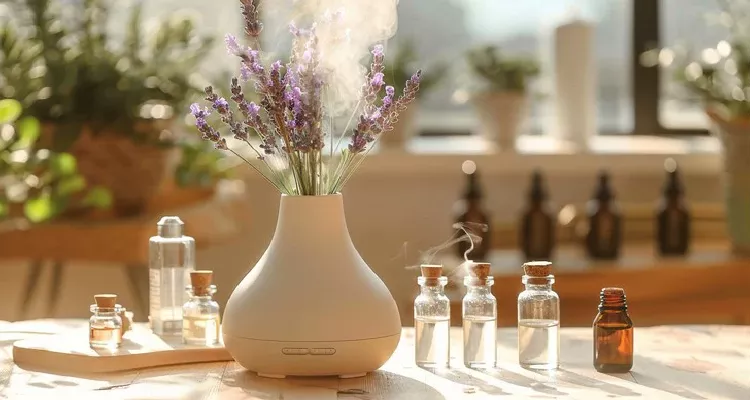
When you inhale an essential oil, its molecules travel through your olfactory system to the limbic system, the part of your brain that controls emotions, memory, and stress responses. This triggers the release of neurotransmitters like serotonin or dopamine, promoting relaxation or alertness. When applied topically (diluted with a carrier oil like coconut), oils penetrate the skin, offering localized benefits like pain relief or reduced inflammation. A 2018 study in Frontiers in Behavioral Neuroscience explains that aromatherapy modulates the autonomic nervous system, balancing heart rate and stress hormones.
It’s like a conversation between nature and your body—one sniff or touch can shift how you feel. Now, let’s dive into 10 benefits of aromatherapy for physical and emotional well-being, each backed by science and brimming with practical potential.
1. Stress Reduction: Calming the Chaos
Stress can feel like a constant companion, but aromatherapy is like a soothing friend. Oils like lavender and chamomile reduce cortisol levels, easing tension. A 2019 study in Journal of Clinical Nursing found that lavender inhalation lowers stress and anxiety in high-pressure settings.
I started diffusing lavender during work-from-home chaos, and it was like someone dimmed the noise in my head. My kids even noticed I was calmer—win-win!
How to Use:
- Diffuse 5–10 drops of lavender oil in a diffuser for 30 minutes.
- Add 2 drops to a warm bath with Epsom salts.
- Mix 1 drop with a carrier oil and massage into temples.
Why It Works: Lavender’s linalool compound calms the nervous system, reducing stress responses.
2. Improved Sleep: Drifting into Dreamland
Tossing and turning? Aromatherapy is like a lullaby for your senses. Oils like cedarwood and lavender promote melatonin production, improving sleep quality. A 2017 study in Sleep Medicine found that lavender aromatherapy enhances deep sleep in adults.
My neighbor swears by cedarwood oil on her pillowcase—her insomnia eased, and she woke up feeling like a new person. It’s like giving your brain permission to rest.
How to Use:
- Add 2 drops of cedarwood oil to a cotton ball and place near your pillow.
- Diffuse lavender 15 minutes before bed.
- Apply a diluted lavender blend to wrists or feet.
Why It Works: These oils stimulate the parasympathetic system, promoting relaxation and sleep.
3. Pain Relief: Soothing Aches Naturally
From headaches to muscle soreness, aromatherapy is like a natural painkiller. Peppermint and eucalyptus oils reduce pain and inflammation. A 2018 study in Pain Research and Management found that peppermint oil relieves tension headaches as effectively as some over-the-counter pain relievers.
I used peppermint oil on my neck after a long day at the computer, and the ache melted away. It was like a cooling breeze for my muscles.
How to Use:
- Mix 2 drops of peppermint oil with 1 teaspoon of coconut oil and massage into sore areas.
- Inhale eucalyptus oil from a diffuser for headache relief.
- Add 5 drops to a warm compress for joint pain.
Why It Works: Menthol in peppermint and 1,8-cineole in eucalyptus block pain signals and reduce inflammation.

4. Mood Enhancement: Lifting Your Spirits
Feeling low? Aromatherapy is like a burst of joy. Oils like citrus (orange, lemon) and ylang-ylang boost serotonin, enhancing mood. A 2019 study in Journal of Affective Disorders found that citrus oils reduce depressive symptoms.
I diffuse orange oil during family game nights, and it’s like the room fills with laughter—it’s our secret happiness booster.
How to Use:
- Diffuse 5 drops of orange oil in your living space.
- Add 1 drop of ylang-ylang to a carrier oil for a mood-lifting perfume.
- Inhale lemon oil from a tissue during a midday slump.
Why It Works: Citrus oils stimulate dopamine release, uplifting your emotional state.
5. Anxiety Relief: Easing Worries
Anxiety can feel like a storm in your mind, but aromatherapy is like a calming anchor. Frankincense and bergamot oils reduce anxiety by balancing stress hormones. A 2020 study in Complementary Therapies in Medicine found that bergamot inhalation lowers anxiety in clinical settings.
I carry a bergamot rollerball for stressful moments, and a quick sniff feels like a deep breath for my soul.
How to Use:
- Apply a diluted bergamot blend to pulse points.
- Diffuse frankincense during meditation or yoga.
- Inhale bergamot from a personal inhaler stick.
Why It Works: These oils modulate the amygdala, reducing fear and anxiety responses.
6. Immune Support: Strengthening Your Defenses
A strong immune system keeps you thriving, and aromatherapy is like a natural shield. Tea tree and oregano oils have antimicrobial properties that support immunity. A 2017 study in Microbial Pathogenesis found that tea tree oil fights bacteria and viruses.
I diffuse tea tree oil during cold season, and it’s like an invisible guard for my family—we’ve dodged a few sniffles!
How to Use:
- Diffuse 3–5 drops of tea tree oil in your home.
- Add 1 drop of oregano oil to a carrier oil for a chest rub (use sparingly).
- Mix tea tree oil with water for a surface-cleaning spray.
Why It Works: Antimicrobial compounds in these oils reduce pathogen exposure, supporting immune health.
7. Digestive Health: Settling the Stomach
Bloating or nausea? Aromatherapy is like a gentle pat for your gut. Ginger and peppermint oils ease digestive discomfort. A 2018 study in Journal of Clinical Gastroenterology found that peppermint oil reduces IBS symptoms.
I keep a ginger rollerball for car rides—my kids’ queasy tummies thank me, and we all enjoy the trip more.
How to Use:
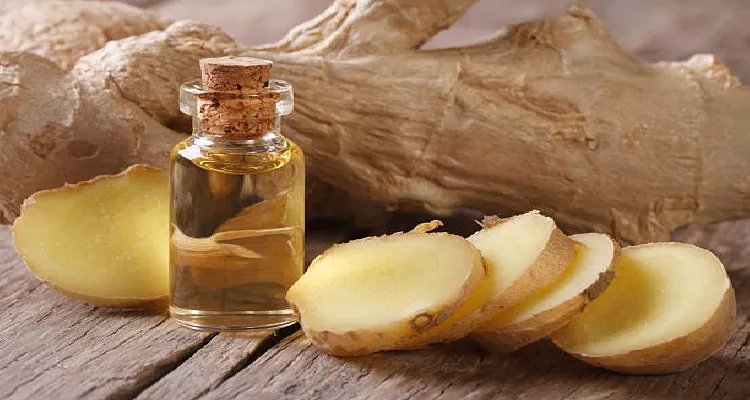
- Inhale ginger oil from a tissue for nausea relief.
- Massage a diluted peppermint blend onto your abdomen.
- Diffuse ginger oil during meals to aid digestion.
Why It Works: These oils relax digestive muscles and reduce inflammation, easing discomfort.
8. Skin Health: Glowing Naturally
Want radiant skin? Aromatherapy is like a spa in a bottle. Lavender and tea tree oils soothe irritation and promote healing. A 2019 study in Dermatologic Therapy found that tea tree oil reduces acne, while lavender aids wound healing.
I dab diluted tea tree oil on breakouts, and it’s like my skin sighs in relief—clearer and calmer in days.
How to Use:
- Mix 1 drop of tea tree oil with 1 teaspoon of jojoba oil for acne spots.
- Add lavender oil to a carrier oil for a soothing face serum.
- Use in a DIY face mask with honey and lavender.
Why It Works: Anti-inflammatory and antimicrobial properties promote clear, healthy skin.
9. Energy Boost: Reviving Your Spark
Feeling sluggish? Aromatherapy is like a natural pick-me-up. Rosemary and grapefruit oils enhance alertness and energy. A 2017 study in Journal of Psychophysiology found that rosemary improves cognitive performance and reduces fatigue.
I diffuse grapefruit oil during morning routines, and it’s like a burst of sunshine to start my day.
How to Use:
- Diffuse 5 drops of rosemary oil while working or studying.
- Inhale grapefruit oil from a tissue for a quick boost.
- Apply a diluted rosemary blend to pulse points.
Why It Works: These oils stimulate the brain’s arousal centers, increasing focus and energy.
10. Respiratory Health: Breathing Easier
Congestion or allergies? Aromatherapy is like a breath of fresh air. Eucalyptus and peppermint oils clear airways and reduce inflammation. A 2018 study in Respiratory Medicine found that eucalyptus oil improves breathing in respiratory conditions.
I use eucalyptus in a steamy shower during colds, and it’s like my sinuses finally open up—pure relief.
How to Use:
- Add 2 drops of eucalyptus oil to a bowl of hot water for steam inhalation.
- Diffuse peppermint oil to clear nasal passages.
- Apply a diluted eucalyptus blend to the chest for congestion relief.
Why It Works: These oils reduce mucus and relax airway muscles, easing breathing.
Practical Tips for Incorporating Aromatherapy into Your Healthy Lifestyle
Making aromatherapy part of your life is simple and rewarding. Here’s how to start:
- Choose Quality Oils: Buy pure, organic essential oils from reputable brands to ensure safety and efficacy.
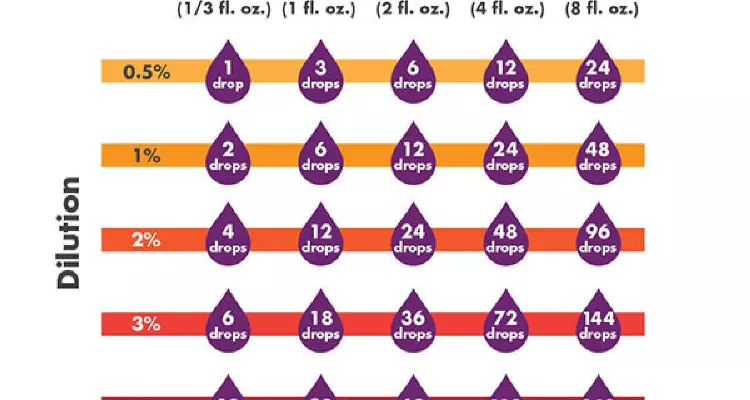
- Dilute Properly: Mix essential oils with a carrier oil (e.g., coconut, jojoba) at a 1–2% dilution (1–2 drops per teaspoon) for skin application.
- Use a Diffuser: Diffuse oils in a well-ventilated space for 30–60 minutes to avoid overwhelming your senses.
- Start Small: Try one oil, like lavender for stress, and experiment with others as you learn.
- Store Safely: Keep oils in dark, cool places and out of reach of children or pets.
Pro Tip: Create a nightly aromatherapy ritual—diffuse lavender, light a candle, and breathe deeply. It’s like a mini retreat for your soul.
Safety and Considerations for Aromatherapy
Aromatherapy is generally safe when used correctly, but take these precautions:
- Avoid Ingestion: Most essential oils are not safe to ingest; use only under professional guidance.
- Patch-Test: Apply diluted oil to your wrist to check for allergies before widespread use.
- Use Caution with Kids: Avoid oils like eucalyptus or peppermint for kids under 6, as they can affect breathing.
- Pregnancy and Medical Conditions: Consult a doctor if pregnant, nursing, or managing conditions like asthma or epilepsy.
- Pet Safety: Some oils (e.g., tea tree) are toxic to pets—research before diffusing.
Pro Tip: Always follow dilution guidelines and consult a certified aromatherapist for personalized advice.
FAQ: Your Questions About 10 Benefits of Aromatherapy for Physical and Emotional Well-Being
Q: How quickly do aromatherapy benefits appear?
A: Some effects, like stress relief, can be felt within minutes, while others, like skin improvements, take weeks of consistent use.
Q: Can I use multiple oils at once?
A: Yes, but start with 2–3 oils in a blend (e.g., lavender and cedarwood for sleep) to avoid overwhelming your senses.
Q: Are essential oils safe for daily use?
A: Yes, when diluted and used properly, but rotate oils to prevent sensitization and take breaks from diffusing.
Q: Do I need a diffuser to use aromatherapy?
A: No! Inhalation from a tissue, steam, or topical application works too. Diffusers are just convenient.
Q: Can aromatherapy replace medical treatments?
A: No, it complements but doesn’t replace prescribed treatments. Consult your doctor for serious conditions.
Summary: Your Guide to 10 Benefits of Aromatherapy for Physical and Emotional Well-Being
Here’s a recap of 10 benefits of aromatherapy for physical and emotional well-being:
- Stress Reduction: Lavender calms the nervous system.
- Improved Sleep: Cedarwood promotes restful sleep.
- Pain Relief: Peppermint soothes aches and headaches.
- Mood Enhancement: Citrus oils lift spirits.
- Anxiety Relief: Bergamot eases worries.
- Immune Support: Tea tree fights pathogens.
- Digestive Health: Ginger settles nausea and bloating.
- Skin Health: Lavender and tea tree promote clear skin.
- Energy Boost: Rosemary enhances focus and vitality.
- Respiratory Health: Eucalyptus clears airways.
Practical Tips:
- Use pure, organic essential oils and dilute properly.
- Start with one oil and expand your collection.
- Create rituals to make aromatherapy a daily joy.
- Follow safety guidelines, especially for kids or pets.
Conclusion: Breathe in Wellness with Aromatherapy
Life’s challenges can leave you feeling stretched thin, but aromatherapy’s 10 benefits for physical and emotional well-being offer a simple, natural way to care for yourself. From easing stress with lavender to boosting energy with rosemary, these scents are like little allies, supporting your body and mind. Whether you’re diffusing oils during a busy day or massaging a blend into sore muscles, aromatherapy is a reminder that small moments of care can make a big difference. So, pick an oil, take a deep breath, and let nature’s scents guide you to a healthier, happier you.
What’s your favorite essential oil, or which benefit are you excited to explore? Share in the comments—I’d love to hear your story! And pass this along to a friend who’s ready to discover the magic of aromatherapy.


