


Have you ever run your fingers across your skin and felt it scream for moisture—like it’s begging for a tall glass of water?
Maybe it’s the tight, flaky patches in winter or that dull, tired look that no amount of sleep seems to fix. I’ve been there, staring at my reflection and wondering how to bring back that soft, dewy glow without slathering on chemical-laden creams. The good news? Nature has a treasure trove of solutions.
The best natural oils for deep skin hydration are like a warm, nourishing hug for your skin, delivering moisture, nutrients, and a radiant glow without the synthetic stuff.
In this article, we’ll dive into the top natural oils that hydrate, repair, and rejuvenate your skin, backed by science and sprinkled with practical tips to make them part of your daily routine. Whether your skin is dry, sensitive, or somewhere in between, these oils are here to help you shine.
Why Natural Oils for Deep Skin Hydration Are a Game-Changer
Your skin is your body’s first line of defense, but it’s also a canvas that tells the story of your life—sunny days, late nights, and everything in between. Dryness, stress, and environmental factors like pollution can strip your skin of its natural moisture, leaving it dull, tight, or irritated. The best natural oils for deep skin hydration work by mimicking your skin’s natural sebum, locking in moisture, and delivering vitamins and antioxidants that repair and protect. Unlike many commercial moisturizers that sit on the surface, these oils penetrate deeply, nourishing from within.
Think of your skin as a sponge—it soaks up what you give it. Feed it the right oils, and it’ll glow with gratitude. Ready to meet the superstars of hydration? Let’s explore the best natural oils for deep skin hydration and how they can transform your skin.

1. Coconut Oil: The Tropical Moisturizer for Deep Hydration
Coconut oil is like a tropical vacation in a jar, delivering deep hydration and a soothing touch to parched skin. Rich in medium-chain fatty acids like lauric acid and vitamin E, it strengthens the skin barrier and locks in moisture. A 2018 study in Dermatitis found that coconut oil improves skin hydration and reduces inflammation, making it ideal for dry or irritated skin.
I remember the first time I used coconut oil as a moisturizer during a harsh winter. My skin went from flaky to silky overnight—it was like a miracle! Plus, that subtle coconut scent feels like a mini escape to the beach.
How to Use Coconut Oil for Deep Skin Hydration:
- Warm a small amount between your palms and massage into clean skin before bed.
- Use as a makeup remover to cleanse while hydrating.
- Mix with sugar for a gentle exfoliating scrub that hydrates as it buffs.
Why It’s Great: Coconut oil is non-comedogenic for most people, meaning it won’t clog pores, but patch-test if you’re prone to acne.
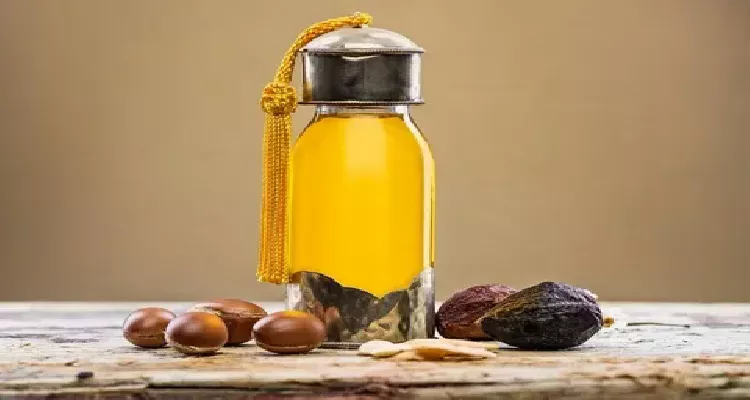
2. Argan Oil: The Moroccan Miracle for Silky Skin
Argan oil, often called “liquid gold,” is a lightweight yet powerful hydrator from Morocco. Packed with vitamin E, omega-6 fatty acids, and antioxidants, it nourishes dry skin and boosts elasticity. A 2015 study in Clinical, Cosmetic and Investigational Dermatology found that argan oil improves skin hydration and reduces signs of aging.
I started using argan oil on my dry elbows and knees, and within days, they were soft as a baby’s skin. It’s like a luxury spa treatment you can afford every day.
How to Use Argan Oil for Deep Skin Hydration:
- Apply 2–3 drops to clean skin as a daily moisturizer.
- Add a drop to your foundation for a dewy finish.
- Massage into cuticles or dry patches for targeted hydration.
Why It’s Great: Argan oil absorbs quickly, making it perfect for all skin types, including oily or combination skin.
3. Jojoba Oil: The Skin-Balancing Hydrator
Jojoba oil is like your skin’s soulmate—it closely mimics natural sebum, balancing moisture without greasiness. Rich in vitamin E and antioxidants, it hydrates and protects the skin barrier. A 2016 study in Journal of Cosmetic Dermatology found that jojoba oil improves skin hydration and reduces irritation, especially for sensitive skin.
I love using jojoba oil as a makeup remover—it melts away mascara while leaving my skin soft and happy. It’s like a gentle hug for my face.
How to Use Jojoba Oil for Deep Skin Hydration:
- Use 3–4 drops as a facial moisturizer after cleansing.
- Mix with aloe vera for a soothing, hydrating mask.
- Apply to dry scalp or hair ends for extra nourishment.
Why It’s Great: Jojoba’s non-comedogenic nature makes it safe for acne-prone skin, and its versatility suits all skin types.
4. Rosehip Oil: The Vitamin C Powerhouse for Hydration and Repair
Rosehip oil is like a burst of sunshine for your skin, loaded with vitamin C, vitamin A, and essential fatty acids that hydrate and promote cell turnover. A 2015 study in Clinical, Cosmetic and Investigational Dermatology showed that rosehip oil improves skin texture and reduces dryness, making it a star for dehydrated or mature skin.
I started dabbing rosehip oil on my dry cheeks, and the glow it brought back was like turning back the clock. It’s my go-to for that fresh, plump look.
How to Use Rosehip Oil for Deep Skin Hydration:
- Apply 2–3 drops to clean skin at night for deep repair.
- Mix with your daily moisturizer for an extra hydration boost.
- Use on scars or stretch marks to improve skin texture.
Why It’s Great: Rosehip oil’s lightweight texture works for all skin types, and its vitamin C brightens while hydrating.

5. Sweet Almond Oil: The Gentle Nourisher for Sensitive Skin
Sweet almond oil is like a soft blanket for sensitive or dry skin, packed with vitamin A, vitamin E, and omega-9 fatty acids that soothe and hydrate. A 2018 study in Complementary Therapies in Clinical Practice found that almond oil improves skin moisture and reduces irritation.
I used sweet almond oil on my daughter’s dry patches, and her skin felt like silk again. It’s so gentle, it’s like a whisper of care for delicate skin.
How to Use Sweet Almond Oil for Deep Skin Hydration:
- Massage a few drops into damp skin after a shower to lock in moisture.
- Use as a body oil for all-over hydration.
- Blend with lavender essential oil for a calming massage oil.
Why It’s Great: Its mild nature makes it ideal for sensitive or baby skin, but avoid if you have a nut allergy.
6. Avocado Oil: The Nutrient-Dense Hydrator
Avocado oil is like a green smoothie for your skin, brimming with healthy fats, vitamin E, and biotin that nourish and repair. A 2019 study in Nutrients found that avocado oil enhances skin elasticity and hydration, perfect for dry or aging skin.
I love using avocado oil when my skin feels parched—it’s like a deep drink for my face, leaving it soft and bouncy.
How to Use Avocado Oil for Deep Skin Hydration:
- Apply 2–3 drops as a night serum for intense hydration.
- Mix with honey for a nourishing face mask.
- Use on dry heels or elbows for targeted moisture.
Why It’s Great: Avocado oil’s rich texture is ideal for very dry skin but can be used sparingly for combination skin.

7. Olive Oil: The Kitchen Staple Turned Skin Savior
Olive oil isn’t just for cooking—it’s a hydration hero packed with squalene, vitamin E, and antioxidants that protect and moisturize. A 2016 study in Journal of Dermatological Science found that olive oil improves skin barrier function and reduces dryness.
I started using olive oil on my hands during dishwashing season, and they went from cracked to smooth. It’s like a Mediterranean secret for glowing skin!
How to Use Olive Oil for Deep Skin Hydration:
- Massage a small amount into damp skin after cleansing.
- Use as a hair mask for dry scalp or ends.
- Mix with sugar for a hydrating body scrub.
Why It’s Great: Extra virgin olive oil is best for its high antioxidant content, but it’s heavier, so use sparingly on oily skin.
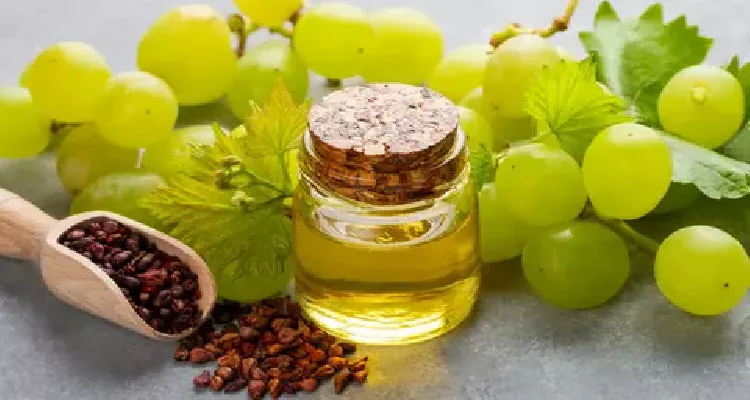
8. Grapeseed Oil: The Lightweight Hydration Booster
Grapeseed oil is like a feather-light kiss for your skin, offering hydration without heaviness. Rich in linoleic acid and vitamin E, it strengthens the skin barrier and fights free radicals. A 2017 study in Journal of Cosmetic Science found that grapeseed oil improves skin hydration and elasticity.
I love using grapeseed oil in the summer—it sinks in fast and leaves my skin glowing without feeling greasy. It’s perfect for humid days!
How to Use Grapeseed Oil for Deep Skin Hydration:
- Apply 2–3 drops as a daily moisturizer for oily or combination skin.
- Mix with aloe vera for a lightweight hydrating mask.
- Use as a massage oil for a silky feel.
Why It’s Great: Its non-comedogenic properties make it ideal for acne-prone or oily skin.
Practical Tips for Using The Best Natural Oils for Deep Skin Hydration
Incorporating the best natural oils for deep skin hydration into your routine is easy and rewarding. Here’s how to make them work for you:
- Patch-Test First: Apply a small amount to your wrist to check for allergies or irritation.
- Use Sparingly: A few drops go a long way—overusing can clog pores, especially for oily skin.
- Apply to Damp Skin: Oils lock in moisture best when applied to slightly damp skin after cleansing or showering.
- Store Properly: Keep oils in dark, cool places to preserve their potency.
- Combine with Other Naturals: Mix oils with aloe vera, honey, or yogurt for DIY masks or serums.
Pro Tip: Create a nighttime ritual with your favorite oil—light a candle, play soft music, and massage it in. It’s like a mini spa moment that nourishes your skin and soul.
FAQ: Your Questions About The Best Natural Oils for Deep Skin Hydration
Q: Can natural oils clog pores?
A: Most of these oils (jojoba, grapeseed, argan) are non-comedogenic, but coconut and olive oil may clog pores for some. Patch-test and use sparingly if you’re acne-prone.
Q: How long does it take to see results?
A: You’ll notice softer skin within days, but deeper hydration and texture improvements can take 2–4 weeks of consistent use.
Q: Are these oils safe for sensitive skin?
A: Yes, especially sweet almond and jojoba, but always patch-test. Avoid if you have nut allergies (for almond or argan).
Q: Can I use these oils on my body?
A: Absolutely! They’re great for dry elbows, knees, or even as a body massage oil.
Q: Do I need to use all these oils together?
A: No! Choose 1–2 oils that suit your skin type and needs, and rotate them as desired.
Summary: Your Guide to The Best Natural Oils for Deep Skin Hydration
Here’s a quick recap of the best natural oils for deep skin hydration:
- Coconut Oil: Deeply moisturizes and soothes with fatty acids.
- Argan Oil: Lightweight and nutrient-rich for all skin types.
- Jojoba Oil: Balances and hydrates, mimicking natural sebum.
- Rosehip Oil: Brightens and repairs with vitamin C.
- Sweet Almond Oil: Gentle and nourishing for sensitive skin.
- Avocado Oil: Rich and restorative for very dry skin.
- Olive Oil: Protects and hydrates with antioxidants.
- Grapeseed Oil: Lightweight and perfect for oily skin.
Practical Tips:
- Patch-test to avoid reactions.
- Apply to damp skin for maximum absorption.
- Use sparingly to prevent greasiness.
- Store in cool, dark places to maintain quality.
Conclusion: Let Your Skin Glow with Nature’s Finest Oils
Dry, dull skin doesn’t stand a chance against the best natural oils for deep skin hydration. These oils are like a love letter to your skin, offering nourishment, protection, and a radiant glow that makes you feel confident at any age. Whether it’s the tropical touch of coconut oil or the lightweight magic of grapeseed, you’re giving your skin the care it deserves without harsh chemicals. So, pick an oil, make it part of your routine, and watch your skin come alive.
What’s your favorite natural oil, or which one are you excited to try? Share in the comments—I’d love to hear your glow-up story! And pass this along to a friend who’s ready to hydrate their skin naturally.


