


As we age, our bones can start to feel like old furniture—creaky, a little wobbly, and in need of some extra care. If you’re over 60 or caring for someone who is, you’ve probably wondered how to keep bones strong and healthy to maintain an active, vibrant life. Weak bones can lead to fractures, discomfort, or even osteoporosis, which affects millions of seniors worldwide. But here’s the good news: natural foods that promote bone health in seniors can make a real difference, and they’re easier to incorporate into your daily routine than you might think.
Maybe you’ve noticed a loved one moving a bit slower, or you’re feeling the aches yourself. It’s tough to face those signs of aging, but you’re not alone in wanting to stay strong and independent. This article is here to guide you through the best foods to support bone health, backed by science, and delivered with practical tips you can start using today. From creamy yogurt to crunchy almonds, we’ll explore how simple ingredients can help you or your loved ones live with more confidence and less worry about falls or fractures.
Why Bone Health Matters for Seniors
Let’s start with the heart of the matter: why should you care about bone health in seniors? As we age, our bones naturally lose density. It’s like the scaffolding of a building slowly wearing down over time. By the time we hit our 60s, bone loss can accelerate, especially for women after menopause due to declining estrogen levels. Men aren’t immune either—about 1 in 4 men over 50 will experience an osteoporosis-related fracture in their lifetime, according to the National Osteoporosis Foundation.
This can feel scary, right? The thought of a fall leading to a broken hip or wrist is enough to make anyone pause. But here’s where hope comes in: natural foods that promote bone health in seniors can slow this process, strengthen bones, and reduce the risk of fractures. By focusing on nutrient-dense foods, you’re giving your body the tools it needs to rebuild and maintain that scaffolding. Let’s dive into the foods that can make this happen, and I’ll share some practical ways to enjoy them without feeling like you’re overhauling your entire diet.
Calcium-Rich Foods: The Foundation of Strong Bones
Why Calcium Is a Bone Health Superstar
Calcium is like the bricks in your bone-building project. Without enough of it, your bones become brittle and prone to breaking. Seniors need about 1,200 mg of calcium daily, according to the National Institutes of Health. But here’s the thing: you don’t need to chug milk all day to get it. Natural foods that promote bone health in seniors include a variety of calcium-rich options that are delicious and easy to incorporate.
Dairy Delights for Bone Strength
Dairy is often the first thing that comes to mind for calcium, and for good reason. A single cup of plain yogurt can provide around 400 mg of calcium—nearly a third of your daily needs. My friend Maria, a 68-year-old retiree, swears by her morning yogurt bowl with fresh berries. “It feels like a treat, not a chore,” she says, and I love that mindset. Here are some dairy options to try:
- Yogurt: Go for plain, Greek, or low-fat varieties to avoid added sugars. Add fruit or a drizzle of honey for sweetness.
- Cheese: Hard cheeses like cheddar or parmesan are calcium powerhouses. A small cube can add flavor to meals.
- Milk: Whether cow’s milk or fortified plant-based options like almond or oat milk, aim for unsweetened versions.

Non-Dairy Calcium Sources for Everyone
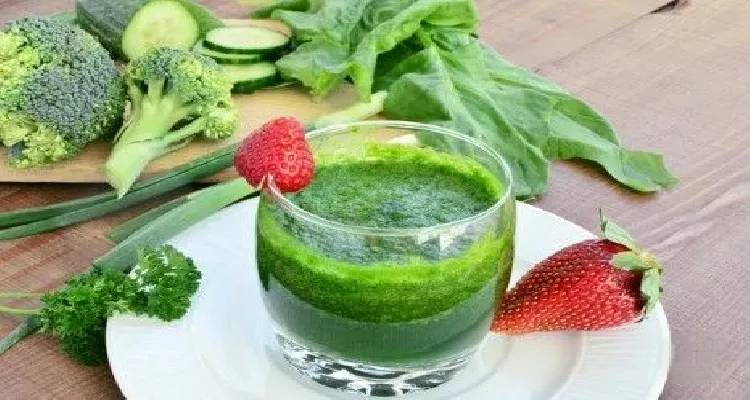
Not a fan of dairy? No problem. Maybe you’re lactose intolerant or just prefer plant-based options. Natural foods that promote bone health in seniors also include non-dairy sources that are just as effective. For example, my neighbor Tom, who’s 72 and avoids dairy, loves tossing kale into his smoothies. “I don’t even taste it,” he laughs, “but my bones thank me!” Here are some great choices:
- Leafy Greens: Kale, spinach, and collard greens are loaded with calcium. One cup of cooked collard greens has about 260 mg.
- Almonds: A handful (about 23 almonds) offers around 75 mg of calcium, plus healthy fats.
- Fortified Foods: Orange juice, cereals, and plant-based milks often have added calcium—check labels to confirm.
- Tofu: Made with calcium sulfate, tofu can provide up to 400 mg per half-cup serving.
Vitamin D: The Sunshine Nutrient for Bone Health
Why Vitamin D Is Essential for Seniors
Calcium gets all the glory, but vitamin D is the unsung hero that helps your body absorb it. Without enough vitamin D, all that calcium you’re eating might not do its job. Seniors are at higher risk for vitamin D deficiency because our skin becomes less efficient at producing it from sunlight as we age. Plus, many of us spend less time outdoors. The Recommended Dietary Allowance (RDA) for vitamin D in seniors is 800 IU (20 mcg) daily, but some experts suggest up to 2,000 IU for optimal bone health.
Natural Foods That Boost Vitamin D
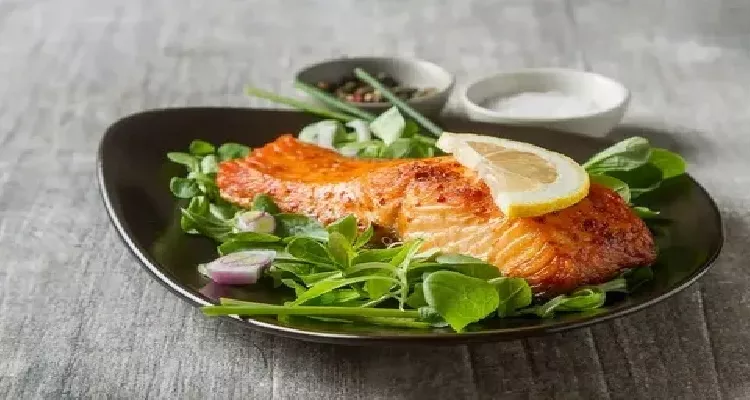
While sunlight is the best source of vitamin D, natural foods that promote bone health in seniors can help bridge the gap. My aunt Clara, who’s 70, started eating more salmon after her doctor warned her about low vitamin D levels. “I feel stronger already,” she told me at our last family dinner. Here are some vitamin D-rich foods to include:
- Fatty Fish: Salmon, mackerel, and sardines are top picks. A 3-ounce serving of salmon can provide 400–600 IU of vitamin D.
- Egg Yolks: One large egg yolk offers about 40 IU, making it an easy add-on to meals.
- Mushrooms: Some mushrooms, like maitake or chanterelle, naturally contain vitamin D, especially if exposed to sunlight during growth.
Getting Vitamin D Safely
If you’re not getting enough vitamin D from food or sunlight, fortified foods like milk or orange juice can help. Supplements might also be an option, but always check with your doctor first—too much vitamin D can be harmful. For example, a 2020 study in The Journal of Clinical Endocrinology & Metabolism found that excessive vitamin D supplementation could lead to kidney issues in some seniors. Moderation is key!
Magnesium: The Unsung Hero for Bone Strength
Why Magnesium Matters for Seniors
Magnesium is like the glue that holds your bone-building team together. It helps regulate calcium and vitamin D levels and supports bone density. About 60% of the magnesium in your body is stored in your bones, so keeping levels up is crucial. Seniors need around 320 mg (women) to 420 mg (men) daily, according to the NIH.
Magnesium-Rich Foods for Strong Bones
You don’t need fancy supplements to get magnesium—just reach for natural foods that promote bone health in seniors. My cousin Lisa, who’s 65, started adding pumpkin seeds to her salads after a bone density scan showed early signs of osteopenia. “They’re crunchy and fun,” she says, and she’s right! Try these:
- Nuts and Seeds: Pumpkin seeds, almonds, and cashews are magnesium stars. A quarter-cup of pumpkin seeds has about 190 mg.
- Whole Grains: Quinoa, brown rice, and oats are great choices. One cup of cooked quinoa provides around 120 mg.
- Dark Chocolate: Yes, really! A 1-ounce serving of dark chocolate (70% cocoa or higher) offers about 65 mg of magnesium. Just don’t overdo it—balance is everything.

Protein: Building Blocks for Bones and Muscles
Why Protein Is Key for Senior Bone Health
Bones aren’t just made of minerals—they’re also supported by a protein matrix, like the framework of a house. Protein also strengthens the muscles around your bones, reducing the risk of falls. Seniors need about 0.5–0.7 grams of protein per pound of body weight daily, according to a 2018 study in Nutrients. For a 150-pound person, that’s 75–105 grams.
Protein-Packed Foods for Strong Bones
Natural foods that promote bone health in seniors include plenty of protein options that are easy to enjoy. My friend John, a 73-year-old avid gardener, relies on lean meats and beans to stay strong for his hobby. “I can’t lift those pots without some muscle,” he jokes. Here are some protein-rich picks:
- Lean Meats: Chicken, turkey, and lean beef provide high-quality protein. A 3-ounce chicken breast has about 26 grams.
- Beans and Lentils: Affordable and versatile, a cup of cooked lentils offers 18 grams of protein.
- Greek Yogurt: Besides calcium, it’s a protein powerhouse with about 20 grams per cup.
- Eggs: One large egg has 6 grams of protein, making it a budget-friendly choice.

Omega-3 Fatty Acids: Reducing Inflammation for Healthier Bones
Why Omega-3s Support Bone Health
Inflammation can weaken bones over time, like water slowly eroding a rock. Omega-3 fatty acids help reduce inflammation, supporting bone density and overall health. A 2021 study in The American Journal of Clinical Nutrition found that higher omega-3 intake was linked to better bone mineral density in older adults.
Omega-3-Rich Foods for Seniors
Natural foods that promote bone health in seniors include omega-3-packed options that are both tasty and heart-healthy. My mom, who’s 69, loves adding walnuts to her oatmeal. “It’s like a little hug for my bones,” she says with a smile. Try these:
- Fatty Fish: Salmon, mackerel, and sardines are omega-3 superstars, also rich in vitamin D.
- Walnuts: A small handful provides about 2.5 grams of omega-3s.
- Chia Seeds: Sprinkle them on yogurt or smoothies for a 5-gram omega-3 boost per ounce.
- Flaxseeds: Ground flaxseeds are easy to add to baked goods or smoothies.

Practical Tips for Incorporating Bone-Healthy Foods
Making Bone Health Delicious and Doable
Now that you know the best natural foods that promote bone health in seniors, let’s talk about how to make them part of your life without feeling overwhelmed. It’s not about eating kale all day (unless you love it!). Here are some practical tips:
- Start Small: Add one new food at a time. Try swapping your afternoon snack for a handful of almonds or a yogurt cup.
- Mix It Up: Combine foods for maximum benefit. A smoothie with kale, yogurt, and chia seeds hits calcium, protein, and omega-3s in one go.
- Get Creative: Hate plain greens? Sauté spinach with garlic or blend it into a creamy soup.
- Involve Family: Cooking with grandkids or loved ones makes it fun. My friend Sarah’s grandkids love making “bone-strong smoothies” with her.

Sample Meal Plan for Bone Health
Here’s a simple day of meals packed with natural foods that promote bone health in seniors:
- Breakfast: Greek yogurt with berries, chia seeds, and a sprinkle of almonds (calcium, protein, omega-3s).
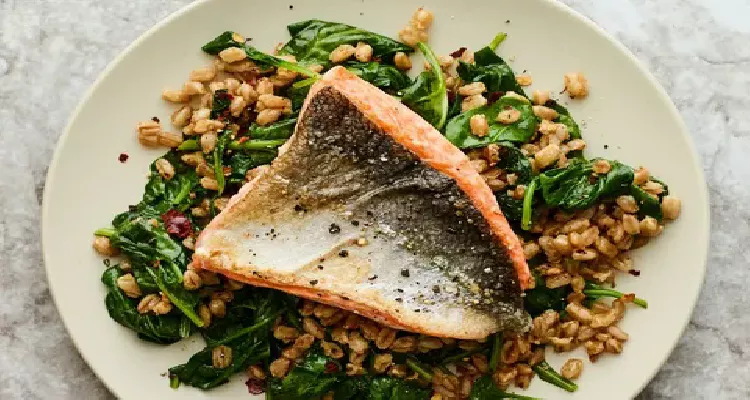
- Lunch: Grilled salmon salad with spinach, quinoa, and a lemon vinaigrette (vitamin D, calcium, magnesium).
- Snack: A small piece of dark chocolate and a handful of walnuts (magnesium, omega-3s).
- Dinner: Baked chicken breast with roasted collard greens and mashed sweet potatoes (protein, calcium).
Scientific Evidence Behind Bone-Healthy Foods
The power of natural foods that promote bone health in seniors isn’t just anecdotal—it’s backed by research. A 2017 meta-analysis in The Lancet found that higher calcium and vitamin D intake reduced fracture risk by 15–20% in seniors. Another study in Osteoporosis International (2019) showed that magnesium-rich diets improved bone density in postmenopausal women. Omega-3s have also been linked to lower inflammation markers, which can protect bones, according to a 2020 study in Nutrients.
That said, balance is crucial. Overloading on one nutrient (like calcium) without others (like vitamin D or magnesium) can reduce effectiveness. Always aim for variety, and consult a doctor if you’re considering supplements, especially if you have conditions like kidney disease.
FAQ: Your Questions About Bone Health in Seniors
What are the best natural foods that promote bone health in seniors?
Calcium-rich foods like yogurt, leafy greens, and almonds, plus vitamin D sources like salmon and egg yolks, are top choices. Magnesium (nuts, seeds) and protein (lean meats, beans) also play key roles.
Can I get enough calcium without dairy?
Absolutely! Leafy greens, fortified plant milks, tofu, and almonds are excellent non-dairy calcium sources.
How much vitamin D do seniors need?
Seniors need about 800 IU daily, but some may require more. Check with your doctor, especially if you’re low on sunlight exposure.
Are supplements necessary for bone health?
Not always—natural foods that promote bone health in seniors can often meet your needs. Supplements should only be taken under medical guidance.
Can exercise help with bone health?
Yes! Weight-bearing exercises like walking or light strength training complement a bone-healthy diet by stimulating bone growth.
Summary: Key Takeaways for Stronger Bones
Here’s a quick recap of why natural foods that promote bone health in seniors are your ticket to staying active and strong:
- Calcium builds bones: Aim for 1,200 mg daily from yogurt, greens, or almonds.
- Vitamin D boosts absorption: Get 800 IU from salmon, eggs, or fortified foods.
- Magnesium supports density: Nuts, seeds, and quinoa provide 320–420 mg daily.
- Protein strengthens muscles: Lean meats, beans, and yogurt offer 75–105 grams daily for a 150-pound person.
- Omega-3s reduce inflammation: Fatty fish, walnuts, and chia seeds protect bones.
- Practical tip: Start small with one new food, like a yogurt bowl or salmon salad.
- Caution: Always consult a doctor before adding supplements, especially if you have health conditions.
Conclusion: A Personal Reflection on Bone Health
Aging doesn’t have to mean slowing down. I think of my dad, who’s 71 and still loves his daily walks with his dog, Max. He started adding more natural foods that promote bone health in seniors to his diet a few years ago, and he swears it’s why he can keep up with Max’s energy. It’s not about perfection—it’s about small, consistent choices that add up. Whether it’s a handful of almonds or a sunny salmon dinner, every bite is a step toward stronger bones and a fuller life.
So, what’s your next step? Maybe it’s trying a new recipe or sharing this article with someone you care about. Have you tried any of these foods, or do you have a favorite bone-healthy recipe? Drop it in the comments—I’d love to hear! And don’t forget to share this with your family or friends who want to stay strong and active as they age.


