


Diabetes is like a demanding houseguest—it requires constant attention. Whether you’re managing type 1, type 2, or prediabetes, your body struggles to regulate blood sugar, either because it doesn’t produce enough insulin or can’t use it effectively. The result? Fatigue, mood swings, or even long-term risks like heart disease or nerve damage. I’ve seen how my friend Carla, diagnosed with type 2 diabetes at 60, felt trapped by her condition until she started exploring natural remedies alongside her doctor’s advice.
The good news? Medicinal plants for diabetes can support your body’s efforts to stabilize blood sugar, reduce inflammation, and improve insulin sensitivity. These remedies aren’t a cure, but science shows they can be powerful allies when used wisely. Let’s start with some of the most effective plants you can incorporate into your routine.
Cinnamon: The Sweet Spice for Blood Sugar Control
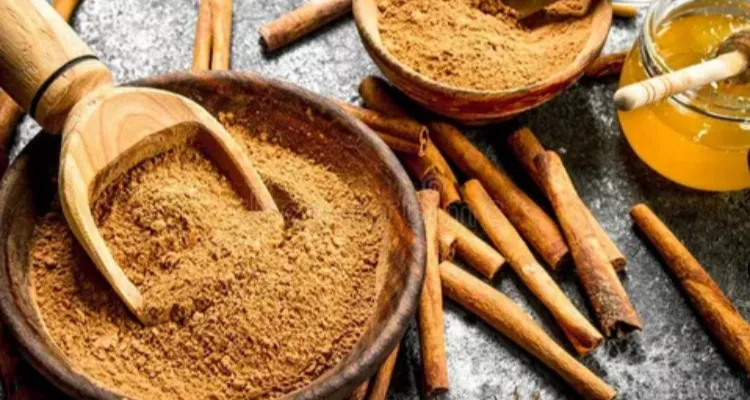
Cinnamon isn’t just for sprinkling on oatmeal—it’s a superstar among medicinal plants for diabetes. This warm, comforting spice contains compounds like cinnamaldehyde that can improve insulin sensitivity and lower blood sugar levels. A 2013 meta-analysis in Annals of Family Medicine found that cinnamon supplementation reduced fasting blood sugar by up to 24 mg/dL in type 2 diabetes patients.
How to use it: Add half a teaspoon of ground cinnamon to your morning coffee, smoothie, or yogurt. For a cozy treat, brew cinnamon tea by steeping a cinnamon stick in hot water for 10 minutes. Carla started adding cinnamon to her breakfast, and she says it’s like giving her blood sugar a gentle nudge in the right direction.
Cautions: Stick to Ceylon cinnamon (not Cassia), as it’s safer for long-term use due to lower coumarin content, which can affect the liver in large amounts. Check with your doctor, especially if you’re on diabetes medications, to avoid low blood sugar.
Fenugreek: Tiny Seeds, Big Benefits for Diabetes
Fenugreek seeds might look unassuming, but they pack a punch for blood sugar control. Rich in soluble fiber, they slow sugar absorption in the gut and improve insulin sensitivity. A 2017 study in Journal of Ethnopharmacology showed that fenugreek seed extract lowered fasting blood sugar by 13% in type 2 diabetes patients.
How to use it: Soak a tablespoon of fenugreek seeds in water overnight, then drink the water (and eat the seeds if you like) in the morning. You can also grind them into a powder and add to soups or curries. My neighbor Raj, who’s 65, swears by his daily fenugreek water—it’s helped him feel less sluggish after meals.
Cautions: Fenugreek can cause mild digestive upset in some people. Start with a small dose and consult your doctor, especially if you’re on blood-thinning medications.
Aloe Vera: Soothing Your Body Inside and Out
Aloe vera is famous for soothing sunburns, but did you know it’s also a medicinal plant for diabetes? Its gel contains compounds like glucomannan that may lower blood sugar and improve insulin function. A 2016 study in Journal of Diabetes & Metabolic Disorders found that aloe vera gel reduced HbA1c levels in type 2 diabetes patients by 1.1%.
How to use it: Add a tablespoon of fresh aloe vera gel (from a trusted source) to smoothies or dilute it in water. You can also find aloe vera juice in health stores, but choose unsweetened versions. My aunt Lila, 72, mixes aloe gel into her morning juice and says it’s helped her feel more energized.
Cautions: Aloe can lower blood sugar too much when combined with diabetes medications, so monitor levels closely and consult your doctor. Avoid aloe if you have kidney issues.

Bitter Melon: Nature’s Bitter-Sweet Diabetes Fighter
Bitter melon lives up to its name with its sharp taste, but it’s a beloved medicinal plant for diabetes in many cultures. It contains charantin and polypeptide-P, which mimic insulin and lower blood sugar. A 2014 study in Nutrition & Diabetes reported that bitter melon juice reduced fasting glucose by 10% in type 2 diabetes patients.
How to use it: Juice fresh bitter melon (available at Asian markets) and dilute it with water or apple juice to soften the bitterness. You can also stir-fry it with veggies. My cousin Priya, who’s 58, adds bitter melon to her stir-fries twice a week and notices steadier energy levels.
Cautions: Bitter melon can cause stomach upset or low blood sugar. Start small and avoid it if you’re pregnant or on insulin.
Gymnema Sylvestre: The Sugar Destroyer
Known as the “sugar destroyer” in Ayurveda, Gymnema sylvestre reduces sugar cravings and helps regulate blood glucose. A 2010 study in Phytotherapy Research found that Gymnema lowered fasting blood sugar by 11% in type 2 diabetes patients.
How to use it: Gymnema is often taken as a tea or supplement. Steep Gymnema leaves in hot water for 10 minutes, or follow supplement dosing instructions (typically 400–600 mg daily). My friend Sam, 70, takes Gymnema capsules and says they’ve curbed his sweet tooth, making it easier to stick to his diet.
Cautions: Always consult a doctor, as Gymnema can enhance the effects of diabetes medications, risking hypoglycemia.

Lifestyle Support: Pairing Plants with Healthy Habits
Medicinal plants work best when paired with a diabetes-friendly lifestyle. Small changes can amplify their benefits and make managing diabetes with natural remedies easier.
Balanced Diet: Fueling Your Body Right
A diet rich in whole foods—think vegetables, lean proteins, and healthy fats—supports blood sugar control. A 2018 study in The Lancet showed that low-carb diets improved glycemic control in type 2 diabetes patients by 32%. Pair this with medicinal plants for diabetes like cinnamon or fenugreek for a powerful combo.
How to start: Swap refined carbs for whole grains like quinoa or brown rice. Add fiber-rich veggies like broccoli or spinach. My dad, 68, started eating more salads with fenugreek dressing, and his doctor was thrilled with his lower A1C.
Gentle Exercise: Moving for Better Blood Sugar
Exercise improves insulin sensitivity and helps medicinal plants for diabetes work better. A 2019 study in Diabetes Care found that 30 minutes of moderate exercise, like walking, five times a week reduced blood sugar spikes by 20%.
How to do it: Try brisk walking, chair yoga, or swimming. Even gardening counts! My neighbor Susan walks her dog daily, and she says it’s not just good for her diabetes—it lifts her mood, too.

Stress Management: Calming the Mind, Helping the Body
Stress spikes blood sugar by raising cortisol levels. A 2020 study in Psychoneuroendocrinology linked stress reduction to better glycemic control. Pair stress-busting practices with medicinal plants for diabetes like chamomile for a calming boost.
How to try it: Practice deep breathing or meditation for 10 minutes daily. Sip chamomile tea during your wind-down routine. My friend Maria meditates with a cup of chamomile tea, and it’s become her “diabetes zen” moment.
Supplements: Boosting the Power of Medicinal Plants
Some medicinal plants for diabetes are available as supplements for convenience. Always consult a doctor before adding them to your routine.
Berberine: A Plant-Derived Powerhouse
Berberine, found in plants like barberry, rivals some diabetes medications. A 2015 study in Journal of Clinical Endocrinology & Metabolism showed berberine lowered fasting blood sugar by 20% in type 2 diabetes patients.
How to use it: Take 500 mg of berberine two to three times daily with meals, but only under medical supervision. My uncle Joe started berberine with his doctor’s okay, and his energy levels have improved.
Cautions: Berberine can interact with medications like metformin, so close monitoring is key.
When to See a Doctor
Medicinal plants for diabetes are powerful, but they’re not a substitute for medical care. If you notice symptoms like extreme thirst, frequent urination, or unexplained fatigue, consult a healthcare provider. They can adjust medications and ensure these remedies are safe for you. Regular blood sugar monitoring is crucial, especially when combining plants with medications.
FAQ: Your Questions About Medicinal Plants for Diabetes
Q: Can medicinal plants replace diabetes medications?
A: No, they should complement, not replace, prescribed treatments. Always consult your doctor before making changes.
Q: Are these plants safe for everyone with diabetes?
A: Most are safe in moderation, but they can interact with medications or cause side effects. Check with a healthcare provider, especially if you have other conditions.
Q: How long do these remedies take to work?
A: Some, like cinnamon, may show effects within weeks, while others, like Gymnema, might take a month or two. Consistency and medical guidance are key.
Q: Can I grow these plants at home?
A: Yes! Aloe vera, fenugreek, and Gymnema can be grown at home, depending on your climate. Check local gardening resources for tips.
Summary: Key Takeaways for Managing Diabetes Naturally
- Cinnamon lowers blood sugar and improves insulin sensitivity—add it to your meals or tea.
- Fenugreek seeds slow sugar absorption and are easy to soak or cook with.
- Aloe vera supports glycemic control when used in smoothies or juices.
- Bitter melon mimics insulin for better blood sugar management.
- Gymnema sylvestre curbs sugar cravings and stabilizes glucose levels.
- Lifestyle habits like a balanced diet, exercise, and stress management enhance these plants’ effects.
- Berberine supplements offer potent support but require medical supervision.
- Scientific evidence backs these remedies, with studies showing significant blood sugar reductions.
- Cautions: Always consult a doctor to avoid interactions or side effects, and monitor blood sugar closely.
A Warm Invitation to Try These Remedies
Managing diabetes doesn’t have to feel like a solo journey. Picture yourself sipping a warm cinnamon tea, feeling a little more in control of your health, or maybe growing a pot of aloe vera on your windowsill, knowing it’s supporting your body. These medicinal plants for diabetes are like nature’s hug—gentle, nurturing, and full of hope.
Have you tried any of these plants, or do you have a favorite remedy that’s worked for you? Share your story in the comments—I’d love to hear how you’re finding balance! And if this article gave you a spark of inspiration, pass it along to someone who could use a natural boost in their diabetes journey.


