


Introduction
Have you ever felt that uneasy bloating after a meal, or maybe struggled with irregular digestion that leaves you feeling sluggish and off?
If you’ve been there, wondering why your gut seems to have a mind of its own, you’re not alone.
It’s frustrating when your body doesn’t feel right, and it can be hard to know where to start. The good news?
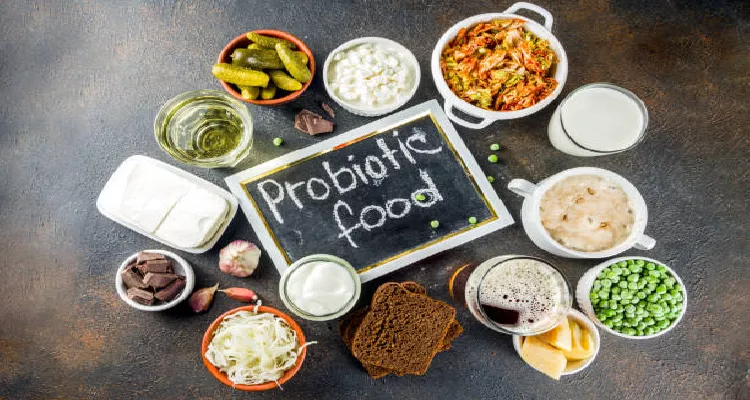
Natural probiotic foods might just be the gentle, natural solution your gut’s been craving. These foods, packed with live beneficial bacteria, can help balance your digestive system, ease discomfort, and even boost your mood.
I get it—talking about gut health might not be the most glamorous topic, but it’s so important. Your gut is like the control center of your body, affecting everything from digestion to your immune system and even how you feel emotionally. In this article, we’ll dive into what natural probiotic foods are, how they work to support intestinal health, and practical ways to add them to your diet without feeling like you’re forcing down something medicinal.
Whether you’re dealing with bloating, constipation, or just want to feel better overall, this guide is here to help you nurture your gut with delicious, accessible foods. Let’s get started on making your gut happy!
Why Natural Probiotic Foods Are Key to Intestinal Health
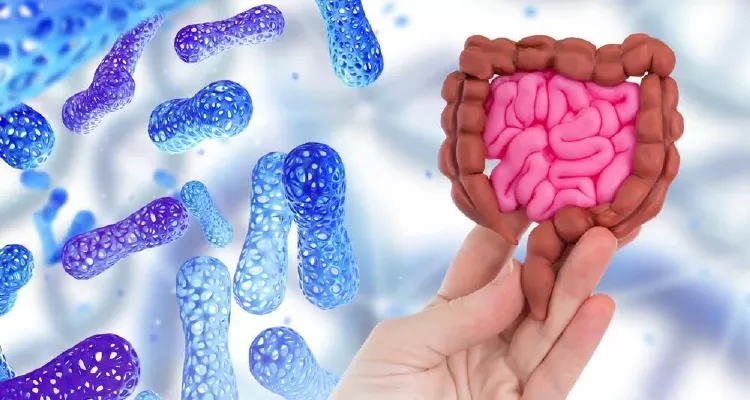
Your gut is home to trillions of tiny microbes—bacteria, yeast, and other microorganisms—that make up your microbiome. Think of it as a bustling city where the “good” bacteria keep things running smoothly, while “bad” bacteria can cause chaos like bloating, diarrhea, or constipation. When this balance gets out of whack—maybe from stress, a poor diet, or antibiotics—that’s when digestive troubles creep in.
This is where natural probiotic foods come to the rescue. These foods contain live beneficial bacteria that help restore balance in your gut, like sending in a team of superheroes to calm the chaos. They strengthen your gut lining, improve digestion, and even support your immune system. A 2017 study in Nutrients found that probiotics from foods like yogurt and fermented vegetables can reduce symptoms of irritable bowel syndrome (IBS) and improve bowel regularity.
In this guide, we’ll explore the best natural probiotic foods, how they help your intestinal health, and easy ways to enjoy them every day. Plus, we’ll share tips to make these foods a seamless part of your life, whether you’re cooking for yourself or your family. Let’s dive into the world of gut-friendly foods and get you feeling your best!

What Are Natural Probiotic Foods and How Do They Work?
So, what exactly are natural probiotic foods? Simply put, they’re foods that contain live microorganisms—mostly beneficial bacteria like Lactobacillus and Bifidobacterium—that survive the journey through your stomach to set up shop in your intestines. Once there, they help crowd out harmful bacteria, improve nutrient absorption, and keep your digestive system humming along.
Unlike supplements, natural probiotic foods deliver these bacteria in a whole-food package, often with extra nutrients like fiber, vitamins, and minerals. For example, yogurt not only provides probiotics but also calcium and protein. A 2019 American Journal of Clinical Nutrition study showed that fermented foods like yogurt and kimchi increase gut microbiome diversity, which is linked to better digestion and overall health.
Here’s how they help your intestinal health:
- Balance Gut Bacteria: Probiotics restore the good-to-bad bacteria balance, reducing issues like bloating or diarrhea.
- Strengthen Gut Lining: They help repair the gut barrier, preventing “leaky gut” where toxins sneak into your bloodstream.
- Boost Immunity: About 70% of your immune system lives in your gut, and probiotics support it by fighting off harmful pathogens.
- Improve Digestion: They break down food more efficiently, easing constipation or gas.
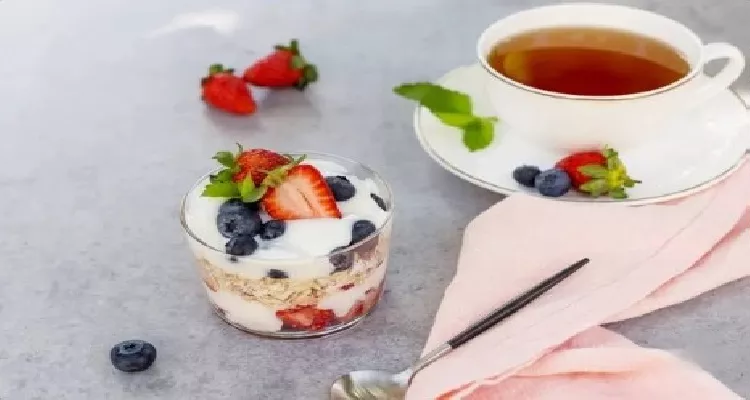
Quick Story: My friend Lisa used to dread meals because bloating always followed. She started adding a small bowl of yogurt with berries to her breakfast, and within a week, she noticed less discomfort and more energy. That’s the power of natural probiotic foods!
Top Natural Probiotic Foods for Intestinal Health
Now, let’s get to the good stuff: the foods! Natural probiotic foods are delicious, versatile, and easy to find. Here’s a list of the best ones, along with their benefits and how to enjoy them:
Yogurt: The Classic Probiotic Powerhouse
Yogurt is one of the most well-known natural probiotic foods, packed with strains like Lactobacillus bulgaricus and Streptococcus thermophilus.
- Benefits: A 2020 Journal of Dairy Science study found yogurt improves lactose digestion and reduces IBS symptoms.
- How to Enjoy: Choose plain, unsweetened yogurt with “live and active cultures” on the label. Add fruit or a drizzle of honey for flavor. Try it in smoothies or as a base for salad dressings.
- Serving Size: 1 cup daily (6–8g protein, ~1 billion CFUs of probiotics).
Kefir: The Probiotic Superstar
Kefir is a fermented milk drink similar to yogurt but with even more probiotic strains—sometimes up to 30 different types!
- Benefits: A 2018 Frontiers in Microbiology study showed kefir reduces inflammation and improves gut barrier function.
- How to Enjoy: Drink it straight, blend into smoothies, or pour over cereal. Dairy-free versions (like coconut kefir) are great for lactose intolerance.
- Serving Size: 1 cup daily (~10g protein, billions of CFUs).
Sauerkraut: Fermented Cabbage with a Kick
Sauerkraut, made from fermented cabbage, is a tangy, probiotic-rich food that’s also high in fiber.
- Benefits: Its Lactobacillus strains support digestion, and its fiber helps with bowel regularity, per a 2021 Nutrients study.
- How to Enjoy: Add to sandwiches, salads, or as a side with grilled chicken. Choose unpasteurized sauerkraut for live cultures.
- Serving Size: 2–3 tablespoons daily (1–2g fiber).
Kimchi: Spicy and Gut-Friendly
Kimchi, a Korean fermented vegetable dish, is loaded with probiotics and antioxidants.
- Benefits: A 2023 Journal of Ethnic Foods study found kimchi boosts gut microbiome diversity and reduces inflammation.
- How to Enjoy: Serve as a side with rice, stir into soups, or top tacos for a twist. Start with small amounts if you’re sensitive to spice.
- Serving Size: 1–2 tablespoons daily.
Miso: The Umami Probiotic
Miso, a fermented soybean paste, is a staple in Japanese cuisine and rich in probiotics like Aspergillus oryzae.
- Benefits: A 2019 Food & Function study linked miso to improved gut health and reduced IBS symptoms.
- How to Enjoy: Use in soups, marinades, or dressings. Avoid boiling to preserve probiotics.
- Serving Size: 1–2 teaspoons daily.
Kombucha: The Fizzy Probiotic Drink
Kombucha is a fermented tea drink with a slight fizz and tangy flavor.
- Benefits: Its probiotics and antioxidants support digestion and reduce oxidative stress, per a 2022 Beverages study.
- How to Enjoy: Sip 4–8 oz daily. Choose low-sugar options and start small to avoid gas.
- Serving Size: 4–8 oz daily.
How to Add Natural Probiotic Foods to Your Diet
I know what you’re thinking: “This sounds great, but how do I fit these foods into my busy life?” Don’t worry—it’s easier than you think! Here are practical tips to make natural probiotic foods a seamless part of your day:
Start Small to Avoid Discomfort
Probiotics are powerful, but too much too soon can cause temporary bloating or gas. Start with small servings—like a tablespoon of sauerkraut or half a cup of kefir—and gradually increase over a few weeks. My cousin Maria tried kombucha for the first time and went all-in with a whole bottle. Let’s just say her gut needed a slower introduction!
Pair with Fiber-Rich Foods
Probiotics work best with prebiotics—fiber that feeds good bacteria. Pair natural probiotic foods with prebiotic-rich foods like bananas, oats, or garlic. For example, top yogurt with sliced banana or add sauerkraut to a whole-grain wrap.
Make It Family-Friendly
If you’re cooking for kids or a partner, sneak probiotics into meals everyone loves. Blend kefir into a fruit smoothie for the kids or serve miso soup as a cozy family dinner.
Sample Daily Menu
Here’s a gut-friendly day with natural probiotic foods:
- Breakfast: Yogurt with berries and oats (probiotics + prebiotics, ~8g fiber).
- Lunch: Whole-grain wrap with hummus, sauerkraut, and grilled veggies (~6g fiber).
- Snack: 4 oz kombucha with a handful of almonds.
- Dinner: Miso-glazed salmon with brown rice and steamed broccoli.
Pro Tip: Keep unpasteurized fermented foods refrigerated to preserve live cultures.

The Science Behind Natural Probiotic Foods for Intestinal Health
Let’s geek out for a second (but I’ll keep it simple, promise!). Natural probiotic foods work by increasing the diversity of your gut microbiome, which is like adding more workers to that bustling gut city we talked about. A 2020 Nature Reviews Gastroenterology study found that a diverse microbiome is linked to better digestion, stronger immunity, and even improved mental health (hello, gut-brain connection!).
Probiotics also produce short-chain fatty acids (SCFAs) like butyrate, which nourish your gut lining and reduce inflammation. This helps with conditions like IBS, inflammatory bowel disease (IBD), and even allergies. Plus, they can crowd out harmful bacteria, reducing the risk of infections like Clostridium difficile, which often follows antibiotic use.
Common Mistakes to Avoid with Natural Probiotic Foods
Even with the best intentions, it’s easy to slip up. Here are pitfalls to watch out for:
- Choosing Pasteurized Products: Heat kills probiotics, so pick unpasteurized sauerkraut, kimchi, or yogurt with “live cultures.”
- Overloading on Sugar: Some yogurts and kombuchas are sugar bombs, which can feed bad bacteria. Go for low-sugar or plain options.
- Ignoring Prebiotics: Probiotics need prebiotic fiber to thrive, so don’t skip fruits, veggies, and whole grains.
- Expecting Instant Results: Gut health takes time. Give it 2–4 weeks to notice changes.
FAQs About Natural Probiotic Foods for Intestinal Health
Can natural probiotic foods help with constipation?
Yes! Probiotics improve stool consistency and frequency, per a 2021 Alimentary Pharmacology & Therapeutics study. Pair with fiber and water for best results.
Are probiotic foods safe for everyone?
Most people can enjoy them, but those with weakened immune systems or severe gut conditions should consult a doctor. Start slow to gauge tolerance.
Do I need probiotic supplements?
Not necessarily—natural probiotic foods are often enough. Supplements can help if you can’t eat fermented foods regularly, but choose high-quality ones with multiple strains.
Can kids eat probiotic foods?
Absolutely! Yogurt and kefir are kid-friendly. Start with small portions and avoid sugary versions.
Final Summary: Why Natural Probiotic Foods Are a Gut Game-Changer
Here’s the scoop on natural probiotic foods for intestinal health:
- Key Benefits: Balance gut bacteria, improve digestion, reduce bloating, and boost immunity.
- Top Foods: Yogurt, kefir, sauerkraut, kimchi, miso, kombucha.
- Practical Tips: Start small, pair with prebiotics, choose unpasteurized products, and keep servings consistent.
- Scientific Data: Probiotics increase microbiome diversity and produce SCFAs for gut health.
- Cautions: Avoid sugary products, don’t overdo it at first, and consult a doctor for specific conditions.
Conclusion and Recommendation: Embrace Natural Probiotic Foods for a Happier Gut
As we’ve journeyed through the world of natural probiotic foods, I hope you’re feeling inspired to give your gut the love it deserves. It’s amazing how something as simple as a bowl of yogurt, a spoonful of sauerkraut, or a sip of kombucha can make such a big difference in how you feel—less bloating, smoother digestion, and maybe even a little extra pep in your step.
These foods aren’t just about fixing problems like constipation or discomfort; they’re about building a stronger, healthier you from the inside out. Your gut is like the unsung hero of your body, quietly working to keep everything in balance, and natural probiotic foods are its trusted allies.
Here’s a personal reflection:
A few years ago, I was that person who thought gut health was just about avoiding stomachaches. But after a stressful period left me feeling sluggish and bloated, I started experimenting with natural probiotic foods. I’ll never forget the first time I tried kefir—it was tangy, a bit fizzy, and honestly, a little weird at first. But after a week of adding it to my smoothies, I felt lighter, more energized, and—dare I say—happier. It was like my gut was finally saying, “Thank you!” That experience taught me that small, consistent changes—like adding a scoop of yogurt or a side of kimchi—can have a ripple effect on your whole body and mind.
So, here’s my recommendation:
Start small and make it fun. Pick one natural probiotic food that excites you—maybe yogurt if you love creamy textures or kimchi if you’re craving a spicy kick. Add it to your meals a few times a week, pair it with fiber-rich foods like fruits or whole grains, and give your gut a few weeks to adjust. If you’re cooking for your family, get everyone involved—kids love blending smoothies with kefir, and a warm bowl of miso soup can be a cozy dinner for all. Most importantly, listen to your body. If you feel bloated or off at first, scale back and go slow. Your gut’s a team player, but it likes a gentle approach.
Why this matters:
Taking care of your gut isn’t just about digestion—it’s about feeling good in your own skin, having the energy to play with your kids, or tackling your day with confidence. Natural probiotic foods are a simple, affordable, and delicious way to support your intestinal health, and the science backs it up: they balance your microbiome, reduce inflammation, and even boost your mood. So, why not give it a try? Your gut—and the rest of you—will thank you.
Ready to give your gut some love? Try adding one natural probiotic food—like a spoonful of yogurt or sauerkraut—to your meals this week. Have a favorite probiotic food or recipe? Share it in the comments—I’d love to hear! Pass this guide along to a friend or family member who could use a gut health boost. Let’s make happy guts a family affair!


