


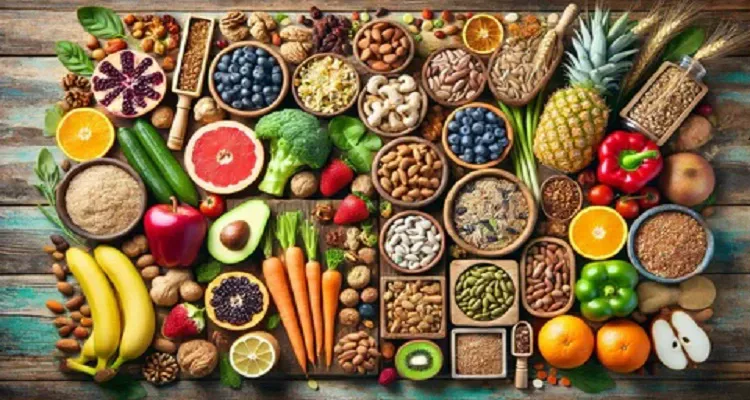
Have you ever felt that uncomfortable, sluggish sensation when your body just isn’t moving things along the way it should? Constipation can creep up on you, leaving you bloated, frustrated, and honestly, a little embarrassed to talk about. Trust me, you’re not alone—millions of people deal with this pesky issue, and it can feel like a constant battle to find relief. But here’s the good news: a high-fiber diet might just be the gentle, natural solution you’ve been searching for. In this article, I’m going to walk you through why fiber is your digestive system’s best friend, how it works to prevent constipation, and practical ways to add more of it to your meals without feeling like you’re eating cardboard. By the end, you’ll have a clear, actionable plan to keep things moving smoothly—no pun intended!
Why a High-Fiber Diet Is a Game-Changer for Preventing Constipation
Let’s start with the basics: constipation happens when your stool moves too slowly through your digestive tract, becoming hard, dry, and difficult to pass. It’s like your gut is stuck in traffic, and nobody’s happy about it. Maybe you’ve tried over-the-counter remedies or chugged water like it’s your job, but still, things aren’t quite right. That’s where a high-fiber diet comes in—it’s like giving your digestive system a green light to keep things flowing.
Fiber is the unsung hero of digestion. Found in plant-based foods like fruits, vegetables, whole grains, and legumes, it’s the part of food your body can’t digest. But don’t let that fool you—fiber works hard behind the scenes to bulk up your stool, soften it, and speed up its journey through your intestines. Think of it as a broom sweeping through your gut, clearing out the clutter. And the best part? It’s completely natural, affordable, and backed by science.
In this article, we’ll dive deep into how a high-fiber diet prevents constipation, explore the best high-fiber foods to add to your plate, and share practical tips to make this lifestyle change feel effortless. Whether you’re dealing with occasional constipation or a chronic issue, this guide is here to help you feel lighter, healthier, and more comfortable in your own body. Let’s get started!
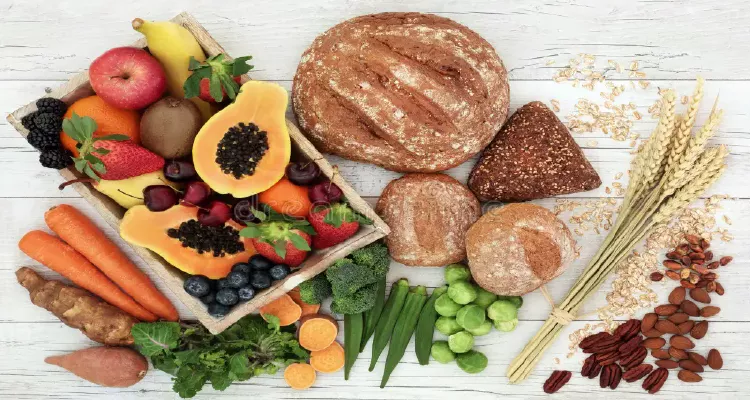
Understanding Constipation: Why It Happens and How a High-Fiber Diet Helps
Before we jump into the nitty-gritty of fiber, let’s talk about why constipation happens in the first place. It’s not just about what you eat—it’s about how your body processes it. Stress, lack of movement, dehydration, and even certain medications can slow down your digestive system. But one of the biggest culprits? A diet low in fiber.
When you don’t eat enough fiber, your stool lacks the bulk and moisture it needs to move smoothly through your intestines. It’s like trying to slide down a dry water slide—nothing’s moving fast! A high-fiber diet tackles this problem head-on by adding bulk and softness to your stool, making it easier to pass. Plus, fiber helps regulate your gut’s rhythm, so you’re not left waiting days for relief.
Research backs this up: a 2016 study published in the Journal of Clinical Gastroenterology found that increasing dietary fiber significantly reduced constipation symptoms in adults. Participants who consumed 25–30 grams of fiber daily reported more frequent, comfortable bowel movements compared to those on low-fiber diets. So, if you’re feeling backed up, fiber might just be the gentle nudge your body needs.
But here’s the thing: not all fiber is created equal. There are two main types—soluble and insoluble—and both play a role in preventing constipation. Let’s break it down.
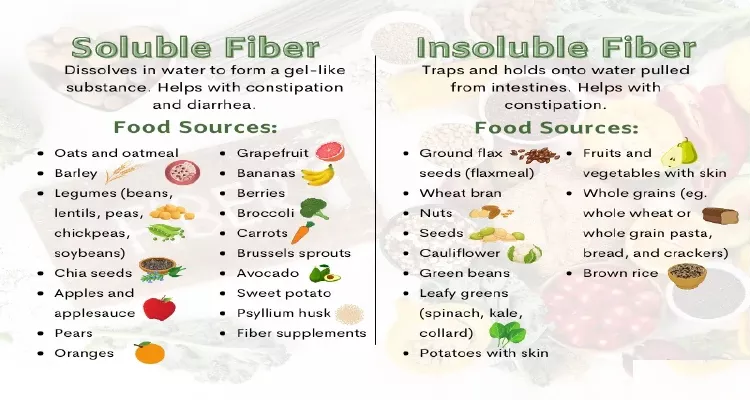
Soluble vs. Insoluble Fiber: Your High-Fiber Diet Allies
To build a high-fiber diet that prevents constipation, you need to know the difference between soluble and insoluble fiber. Don’t worry—I’ll keep this simple, like explaining it over coffee with a friend.
Soluble Fiber: The Softener
Soluble fiber dissolves in water, forming a gel-like substance in your gut. It’s like a sponge that soaks up moisture, making your stool softer and easier to pass. This type of fiber also feeds the good bacteria in your gut, which can improve overall digestion. Foods rich in soluble fiber include:
- Oats
- Apples
- Carrots
- Beans and lentils
- Chia seeds
For example, my friend Sarah used to struggle with constipation that left her feeling sluggish. She started adding a bowl of oatmeal topped with sliced apples to her breakfast, and within a week, she noticed her digestion felt smoother. That’s the power of soluble fiber in a high-fiber diet!
Insoluble Fiber: The Bulker
Insoluble fiber doesn’t dissolve in water—it’s the roughage that adds bulk to your stool and speeds up its trip through your intestines. Think of it as the broom we talked about earlier, sweeping things along. You’ll find insoluble fiber in:
- Whole grains (like brown rice and whole-wheat bread)
- Broccoli
- Nuts and seeds
- Leafy greens
- Bran
A 2018 study in Nutrients found that insoluble fiber was particularly effective at increasing stool frequency in people with chronic constipation. So, if you’re looking to prevent constipation, a mix of both soluble and insoluble fiber is the way to go.
Pro Tip: Aim for a balance of both types of fiber in your high-fiber diet. A good rule of thumb is to fill half your plate with fruits and veggies, a quarter with whole grains, and a quarter with protein-rich foods like beans or lean meats.
How Much Fiber Do You Need in a High-Fiber Diet?
Okay, so you’re sold on fiber—but how much do you actually need to prevent constipation? The answer depends on a few factors, like your age and gender, but here’s a general guideline from the Academy of Nutrition and Dietetics:
- Women: 25 grams per day (21 grams if over 50)
- Men: 38 grams per day (30 grams if over 50)
If that sounds like a lot, don’t panic. Most people only get about 15 grams of fiber a day, so you’re not alone if your diet’s been a little fiber-shy. The good news? You can gradually increase your fiber intake without turning your life upside down. For example, swapping white bread for whole-grain bread or adding a handful of berries to your yogurt can make a big difference.
Quick Story: My neighbor Tom used to think fiber was just for “health nuts.” But after a particularly uncomfortable week of constipation, he started sneaking a tablespoon of chia seeds into his morning smoothie. He was shocked at how quickly he felt better—and now he’s a fiber convert!

Top High-Fiber Foods to Prevent Constipation
Now that you know why fiber matters, let’s talk about the fun part: food! A high-fiber diet doesn’t have to be boring or taste like sawdust. Here’s a list of delicious, fiber-packed foods to add to your meals, along with their approximate fiber content per serving:
Fruits
- Raspberries (1 cup): 8 grams
- Pears (1 medium, with skin): 6 grams
- Apples (1 medium, with skin): 4.5 grams
- Bananas (1 medium): 3 grams
Vegetables
- Broccoli (1 cup, cooked): 5 grams
- Carrots (1 cup, cooked): 5 grams
- Brussels sprouts (1 cup, cooked): 4 grams
- Spinach (1 cup, cooked): 4 grams
Whole Grains
- Quinoa (1 cup, cooked): 5 grams
- Brown rice (1 cup, cooked): 3.5 grams
- Whole-wheat pasta (1 cup, cooked): 6 grams
- Oats (1/2 cup, dry): 4 grams
Legumes
- Lentils (1 cup, cooked): 15.5 grams
- Black beans (1 cup, cooked): 15 grams
- Chickpeas (1 cup, cooked): 12.5 grams
Nuts and Seeds
- Chia seeds (2 tbsp): 10 grams
- Almonds (1 oz): 3.5 grams
- Flaxseeds (2 tbsp): 6 grams
Fun Tip: Try mixing and matching these foods to keep things interesting. For instance, toss some raspberries and chia seeds into your oatmeal for a fiber-packed breakfast that tastes like a treat.
How to Build a High-Fiber Diet Without Feeling Overwhelmed
I get it—changing your diet can feel like a big leap, especially if you’re not used to eating a lot of fiber. The key is to start small and make it fun. Here are some practical tips to weave a high-fiber diet into your life without stress:
Start Slowly to Avoid Discomfort
If you go from zero to hero with fiber overnight, you might end up with bloating or gas—not exactly the goal! Instead, increase your fiber intake by 5 grams a day each week. For example, swap your usual white rice for brown rice one week, then add a serving of lentils the next. Your gut will thank you for the gentle approach.
Drink Plenty of Water
Fiber needs water to work its magic. Without enough hydration, it can actually make constipation worse—yikes! Aim for at least 8 cups of water a day, and sip even more if you’re boosting your fiber. Herbal teas or fruit-infused water can make it easier to stay hydrated.
Make High-Fiber Swaps
You don’t have to overhaul your entire diet. Try these simple swaps:
- White bread → Whole-grain bread
- Chips → Air-popped popcorn
- Sugary cereal → Oatmeal with fruit
- White pasta → Whole-wheat pasta
Plan Fiber-Filled Meals
Here’s a sample day on a high-fiber diet to prevent constipation:
- Breakfast: Oatmeal with chia seeds, raspberries, and a drizzle of honey (10 grams fiber)
- Lunch: Whole-grain wrap with hummus, spinach, and grilled chicken (8 grams fiber)
- Snack: Apple slices with almond butter (6 grams fiber)
- Dinner: Lentil soup with carrots and a side of broccoli (12 grams fiber)
Total: ~36 grams of fiber—perfect for most adults!

The Science Behind a High-Fiber Diet for Constipation Relief
Let’s nerd out for a second (don’t worry, I’ll keep it simple). A high-fiber diet isn’t just a feel-good remedy—it’s backed by solid science. Here’s what the research says:
- A 2020 meta-analysis in The American Journal of Clinical Nutrition found that dietary fiber increased stool frequency and improved consistency in people with chronic constipation.
- A 2017 study in Alimentary Pharmacology & Therapeutics showed that psyllium (a type of soluble fiber found in supplements like Metamucil) was more effective than some laxatives for relieving constipation.
- Fiber also supports your gut microbiome, the community of bacteria that keeps your digestion humming. A 2019 study in Nature Reviews Gastroenterology found that a high-fiber diet promotes the growth of beneficial gut bacteria, which can reduce inflammation and improve bowel regularity.
In short, fiber isn’t just about preventing constipation—it’s about keeping your whole digestive system happy.
Common Mistakes to Avoid on a High-Fiber Diet
Even with the best intentions, it’s easy to slip up when starting a high-fiber diet. Here are a few pitfalls to watch out for:
Overdoing It Too Fast
As I mentioned earlier, too much fiber too soon can lead to bloating or cramps. Take it slow and listen to your body.
Forgetting to Hydrate
Fiber without water is like a car without gas—it won’t get you far. Keep a water bottle handy to support your high-fiber diet.
Relying on Processed Fiber Products
Fiber bars or supplements can be helpful, but whole foods are best. They’re packed with nutrients and don’t have added sugars or artificial ingredients.
Ignoring Variety
Eating the same high-fiber foods every day can get boring and might not give you the full range of benefits. Mix it up with different fruits, veggies, grains, and legumes.
FAQs About a High-Fiber Diet for Preventing Constipation
Can a high-fiber diet cure constipation completely?
While a high-fiber diet can significantly reduce or prevent constipation, it’s not a magic bullet. Factors like hydration, exercise, and stress management also play a role. If symptoms persist, check with a doctor to rule out underlying conditions.
How long does it take for a high-fiber diet to work?
Most people notice improvements within a few days to a week of increasing fiber intake, especially if paired with enough water and movement.
Are there any risks to a high-fiber diet?
For most people, a high-fiber diet is safe and beneficial. But if you have conditions like IBS or diverticulitis, talk to your doctor before making big changes.
Can kids follow a high-fiber diet?
Yes, but their fiber needs are lower (about 15–20 grams per day for kids under 10). Focus on kid-friendly high-fiber foods like fruit smoothies or whole-grain crackers.
Final Summary: Why a High-Fiber Diet Is Your Constipation Solution
Let’s wrap this up with a quick recap of why a high-fiber diet is your go-to for preventing constipation:
- Key Benefits: Adds bulk and moisture to stool, promotes regular bowel movements, and supports gut health.
- Practical Tips: Start with small changes, like adding berries or whole grains, and increase fiber gradually.
- Scientific Backing: Studies show fiber improves stool frequency and consistency, often outperforming laxatives.
- Cautions: Drink plenty of water, avoid processed fiber products, and consult a doctor if you have chronic issues.
Feeling inspired to give your digestive system some love? Try adding one high-fiber food to your meals this week and see how it feels. Have a favorite high-fiber recipe or tip that’s worked for you? Drop it in the comments—I’d love to hear about it! And if you found this guide helpful, share it with a friend who might need a little digestive boost, too.


