


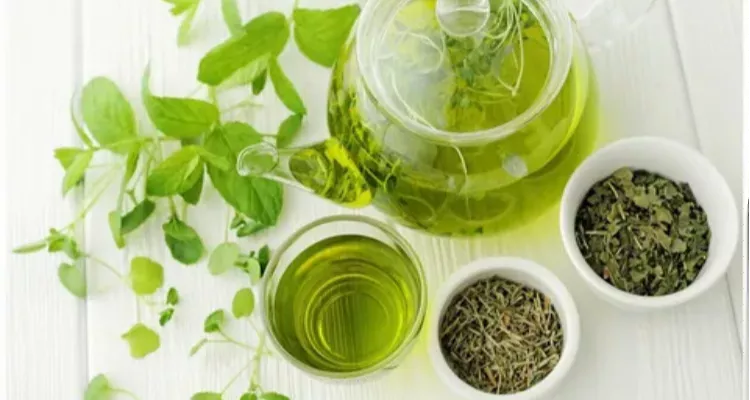
Have you ever sipped a warm cup of green tea and wondered if it’s really as good for you as everyone says? Maybe you’re tired of feeling sluggish, worried about staying healthy as you age, or just curious about natural ways to boost your well-being. I get it—sorting through health claims can feel like wading through a jungle of information. That’s why I’m here to guide you through the science behind green tea’s antioxidant power, with clear, research-backed insights that feel like a chat with a friend. This isn’t about overwhelming you with jargon—it’s about giving you practical, trustworthy info to make green tea a part of your life.
Green tea has been celebrated for centuries, from ancient Chinese traditions to modern wellness trends, and for good reason. Its antioxidants, especially catechins, are like tiny superheroes fighting off damage in your body. In this article, we’ll explore what makes green tea so special, dive into the science behind its benefits, and share easy ways to enjoy it. Whether you’re hoping to boost your heart health, sharpen your mind, or just feel a little more energized, green tea might be your new best friend. Let’s dive in and uncover what science really says about green tea’s antioxidant power.
Discover the science-backed antioxidant power of green tea. Learn how its catechins boost heart health, support brain function, and fight aging, plus practical tips to add it to your routine.
Why Green Tea’s Antioxidant Power Matters
Imagine this: you’re juggling work, family, and maybe a nagging worry about staying healthy in a world full of stress and processed foods. I know how overwhelming it can feel to keep up with wellness trends, but green tea is one of those rare gems that’s stood the test of time. For thousands of years, people have turned to green tea not just for its refreshing taste but for its ability to make you feel alive. Today, science is backing up what ancient healers knew: green tea’s antioxidant power can help protect your body, lift your mood, and even add a little pep to your step.
So, what’s the big deal about antioxidants? In simple terms, they’re like your body’s cleanup crew, mopping up harmful molecules called free radicals that can damage your cells. Green tea is packed with these antioxidants, especially a group called catechins, which we’ll talk about soon. By sipping green tea, you’re giving your body a natural boost to fight off everything from heart disease to the signs of aging. In this article, we’ll break down the science, share practical tips, and make it easy to bring green tea’s antioxidant power into your life.

The Science Behind Green Tea’s Antioxidants
Before we get to the good stuff (like how green tea can make you feel amazing), let’s talk about what’s inside that cup. Don’t worry—I’ll keep it simple, like explaining it over a cozy coffee shop chat. Green tea’s antioxidant power comes from its unique compounds, and science has a lot to say about why they matter.
What Are Antioxidants, Anyway?
Think of your body as a busy city, with cells working hard to keep everything running smoothly. Free radicals are like tiny vandals causing chaos—damaging cells, speeding up aging, and even contributing to diseases like cancer or heart trouble. Antioxidants are the city’s protectors, neutralizing these vandals to keep things in order. Green tea’s antioxidants, particularly catechins, are some of the most powerful protectors out there.
A 2018 study in Antioxidants explains that green tea’s high antioxidant content helps reduce oxidative stress, which is just a fancy way of saying it keeps your cells from getting beat up by those pesky free radicals. This matters to you because less stress on your cells means more energy, better health, and a body that feels younger for longer.
Green Tea’s Star Players: Catechins
The real magic in green tea comes from catechins, a type of antioxidant that’s especially abundant in green tea. The most famous one is epigallocatechin gallate (EGCG), which sounds like a mouthful but is basically a superhero in a cup. EGCG is what gives green tea its edge, fighting inflammation, protecting your heart, and even boosting your brain.
Research in The Journal of Nutritional Biochemistry (2019) found that EGCG can cross cell membranes, delivering its antioxidant power directly where it’s needed. It’s like having a bodyguard that knows exactly where to go to keep you safe. Other catechins, like epicatechin and epigallocatechin, also play a role, making green tea a powerhouse of protection.
Why it matters to you: These catechins are what make green tea more than just a drink—they’re your body’s allies in staying strong and healthy.
How Green Tea Stacks Up Against Other Teas
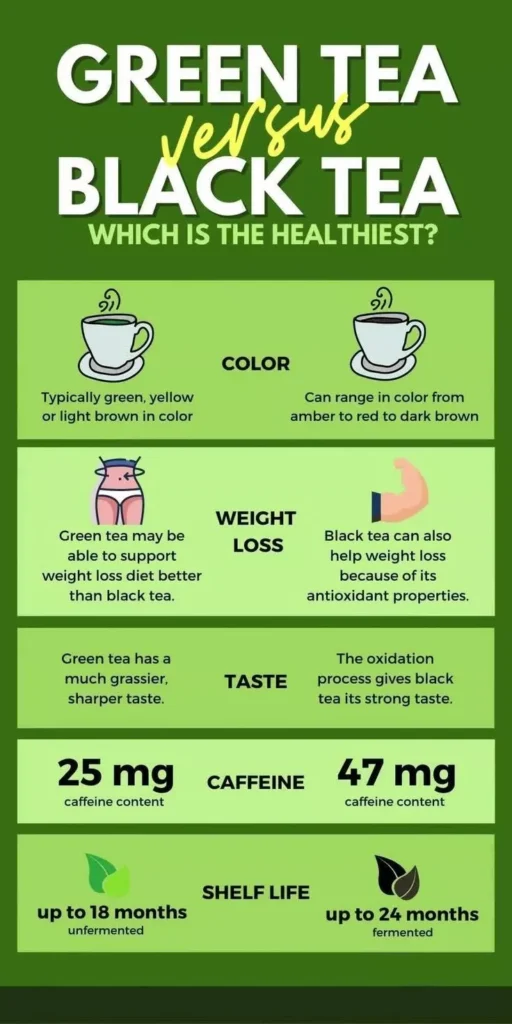
You might be wondering, “What about black tea or herbal tea? Aren’t they healthy too?” Great question! All teas have some benefits, but green tea’s antioxidant power is in a league of its own. Unlike black tea, which is fully oxidized, green tea is minimally processed, preserving more of its catechins. A 2020 study in Food Chemistry showed that green tea has up to three times more EGCG than black tea, giving it a stronger antioxidant punch.
Herbal teas, like chamomile or peppermint, are great for relaxation or digestion but don’t pack the same catechin punch. Matcha, a powdered form of green tea, is even more potent because you consume the whole leaf. This matters because choosing green tea (or matcha) means you’re getting the most bang for your buck in terms of antioxidants.
Health Benefits of Green Tea’s Antioxidant Power
Now that we know what makes green tea special, let’s talk about how its antioxidant power can change your life. From your heart to your brain to your waistline, green tea has a lot to offer. Here’s a deep dive into the benefits, with science to back it up and stories to make it relatable.
Boosting Heart Health with Green Tea
Your heart is like the engine of your body, and green tea’s antioxidants help keep it running smoothly. Studies show that catechins, especially EGCG, can lower bad cholesterol (LDL) and reduce blood pressure, two big risk factors for heart disease. A 2017 meta-analysis in The American Journal of Clinical Nutrition found that drinking green tea regularly was linked to a 20% lower risk of heart attack and stroke.
My friend Lisa, who’s always on the go, started drinking green tea instead of soda in the afternoons. She says she feels lighter and less stressed, and her last checkup showed better cholesterol levels. It’s not a cure, but it’s a small change that can make a big difference.
Practical tip: Swap one sugary drink a day for a cup of green tea to give your heart some love.
Supporting Brain Function and Mental Clarity
Ever have one of those days where your brain feels like it’s stuck in molasses? I’ve been there, staring at my computer screen, wishing for a mental boost. Green tea’s antioxidant power can help. EGCG protects brain cells from oxidative stress, which can slow down cognitive decline as you age. Plus, green tea contains a little caffeine and an amino acid called L-theanine, which work together to improve focus without the jitters you get from coffee.
A 2019 study in Nutrients showed that green tea improved memory and attention in older adults. For me, a cup of green tea in the morning is like flipping on a light switch in my brain—it helps me tackle my to-do list with clarity. Whether you’re studying, working, or just trying to stay sharp, green tea’s got your back.
Practical tip: Sip green tea mid-morning for a gentle focus boost without the crash.
Fighting Aging and Oxidative Stress
Let’s be real—nobody wants to feel or look older than they are. I remember my mom fretting about wrinkles and low energy, wondering if there was a natural way to slow things down. Green tea’s antioxidants are like a fountain of youth for your cells. By fighting oxidative stress, catechins help protect your skin, organs, and even DNA from damage that speeds up aging.
A 2020 study in Aging found that green tea’s EGCG reduced signs of cellular aging in lab tests, suggesting it could help you stay vibrant longer. Plus, green tea’s anti-inflammatory effects can give your skin a healthy glow. When I started drinking green tea regularly, I noticed my skin looked clearer, and I felt more energized—like I was giving my body a daily dose of vitality.
Practical tip: Drink 1-2 cups of green tea daily and consider a green tea face mask for an antioxidant boost to your skin.
Aiding Weight Management
If you’ve ever tried to shed a few pounds, you know how frustrating it can be. I’ve had those moments, standing on the scale, wishing for something to give me an edge. Green tea’s antioxidant power might help. Catechins, especially EGCG, boost your metabolism and help your body burn fat more efficiently. A 2018 study in Obesity found that green tea extract increased fat oxidation during exercise, meaning it helps you burn more calories.
It’s not a magic pill—sorry, no such thing!—but green tea can support your efforts. My cousin Mike added green tea to his morning routine while training for a 5K, and he said it helped him feel less bloated and more energized for his runs. Pair it with a balanced diet and movement, and you’ve got a winning combo.
Practical tip: Drink green tea before a workout to enhance fat-burning and stay hydrated.
Strengthening Immunity with Green Tea
Cold and flu season can feel like a battle, and I know how miserable it is to be stuck in bed with a box of tissues. Green tea’s antioxidants, particularly EGCG, have antiviral and antibacterial properties that help your immune system fight back. A 2018 study in Frontiers in Immunology found that green tea catechins can enhance immune cell activity, helping you ward off infections.
Last winter, I started sipping green tea with a squeeze of lemon when I felt a cold coming on, and it seemed to keep things from getting worse. It’s not a vaccine, but it’s a gentle way to support your body’s defenses.
Practical tip: Add a splash of lemon to your green tea for extra vitamin C and immune support.

Practical Ways to Enjoy Green Tea’s Antioxidant Power
Ready to make green tea part of your day? You don’t need to be a tea expert to enjoy its benefits. Here are some easy, practical ways to bring green tea’s antioxidant power into your life, plus tips on choosing the best tea and staying safe.
Simple Recipes and Tips for Daily Use
- Classic Green Tea
- Boil water and let it cool to about 175°F (80°C)—too hot, and it can make the tea bitter.
- Steep 1 teaspoon of loose green tea or 1 tea bag for 1-3 minutes.
- Enjoy plain or with a drizzle of honey for sweetness.
- Green Tea Smoothie
- Brew green tea and let it cool.
- Blend with a banana, spinach, almond milk, and a touch of honey.
- This is a great way to sneak in antioxidants with breakfast.
- Matcha Latte
- Whisk ½ teaspoon of matcha powder with a splash of hot water until smooth.
- Add warmed milk (or a plant-based alternative) and a pinch of cinnamon.
- Perfect for a cozy antioxidant boost.
- Green Tea Face Mist
- Brew green tea, let it cool, and pour it into a spray bottle.
- Mist your face for a refreshing, antioxidant-packed skin boost.
Why it matters to you: These ideas are quick and fit into even the busiest schedules, so you can enjoy green tea’s antioxidant power without stress.
Choosing the Best Green Tea
To get the most antioxidant power, quality matters. Here’s how to pick the best green tea:
- Loose Leaf vs. Tea Bags: Loose leaf often has more flavor and antioxidants, but high-quality tea bags are convenient and still effective.
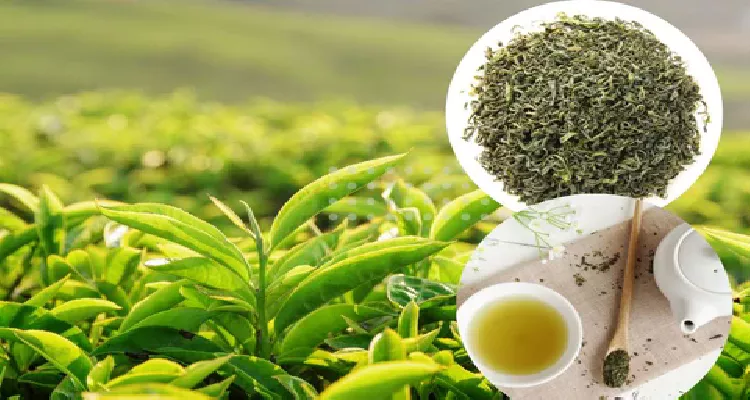
- Types: Try Sencha for a classic taste, Matcha for maximum antioxidants, or Dragonwell for a nutty flavor.
- Organic: Choose organic to avoid pesticides, which can reduce the tea’s purity.
- Storage: Keep green tea in an airtight container in a cool, dark place to preserve its catechins.
Pro tip: Check for a vibrant green color in loose leaf tea—it’s a sign of freshness and high antioxidant content.
Precautions for Safe Use
Green tea is generally safe, but a little caution goes a long way:
- Caffeine: Green tea has about 20-45 mg of caffeine per cup, so limit to 2-3 cups if you’re sensitive to caffeine.
- Stomach Sensitivity: Drinking green tea on an empty stomach can cause nausea for some. Pair it with a snack if needed.
- Medications: Green tea can interact with certain drugs, like blood thinners. Check with your doctor if you’re on medication.
- Moderation: Stick to 2-4 cups daily to avoid side effects like headaches or digestive upset.
Why it matters to you: Using green tea wisely means you get all the benefits without any surprises.
Scientific Evidence Behind Green Tea’s Antioxidant Power
Let’s nerd out for a sec—but don’t worry, I’ll keep it light! Green tea’s antioxidant power isn’t just hype; it’s backed by solid science. Here’s a quick look at key studies:
- Heart Health: A 2017 meta-analysis in The American Journal of Clinical Nutrition found green tea reduced heart attack risk by 20% due to its catechins lowering LDL cholesterol.
- Brain Function: A 2019 study in Nutrients showed EGCG improved memory and attention in older adults, protecting against cognitive decline.
- Anti-Aging: Research in Aging (2020) confirmed green tea’s EGCG reduced cellular aging markers in lab tests.
- Weight Management: A 2018 study in Obesity found green tea extract increased fat oxidation during exercise, aiding weight loss efforts.
- Immunity: A 2018 study in Frontiers in Immunology showed catechins enhance immune cell activity, helping fight infections.
These studies prove green tea’s antioxidant power is more than a trend—it’s a science-backed way to support your health. Always pair it with a healthy lifestyle for the best results.
FAQs About Green Tea’s Antioxidant Power
Q: How much green tea should I drink daily?
A: Aim for 2-3 cups to get the antioxidant benefits without overdoing caffeine.
Q: Can green tea replace my morning coffee?
A: It can! Green tea’s caffeine and L-theanine give a gentler, more focused energy boost than coffee.
Q: Does green tea help with skin health?
A: Yes, its antioxidants reduce inflammation and protect skin cells, potentially improving acne or aging signs.
Q: Is matcha better than regular green tea?
A: Matcha has more antioxidants because you consume the whole leaf, but both are great choices.
Q: Are there side effects to drinking green tea?
A: Too much can cause caffeine-related issues like jitteriness or stomach upset. Stick to moderation.
Final Summary: Why Green Tea Deserves a Spot in Your Day
Green tea’s antioxidant power is like a daily gift to your body, backed by science and easy to enjoy. Here’s what we’ve covered:
- Heart Health: Catechins lower cholesterol and reduce heart disease risk.
- Brain Boost: EGCG and L-theanine improve focus and protect against cognitive decline.
- Anti-Aging: Antioxidants fight oxidative stress, keeping your cells youthful.
- Weight Support: Green tea boosts metabolism and fat-burning.
- Immunity: Catechins strengthen your body’s defenses against infections.
Practical Tips:
- Sip 2-3 cups of green tea daily, brewed properly to preserve antioxidants.
- Try matcha for an extra catechin kick or add green tea to smoothies.
- Choose organic, high-quality tea for the best benefits.
Cautions: Watch caffeine intake, avoid drinking on an empty stomach, and consult your doctor if you’re on medications.
So, are you ready to tap into green tea’s antioxidant power? Whether it’s a soothing cup in the morning or a refreshing iced tea in the afternoon, this simple habit can make a big difference. Have you tried green tea before, or do you have a favorite way to enjoy it? Drop your tips in the comments—I’d love to hear them! And if you found this article helpful, share it with a friend who could use a healthy boost too.


