


Have you ever found yourself worrying about catching every bug going around or feeling like your body just isn’t as resilient as it used to be? Maybe you’re tired of frequent colds, sluggish energy, or wondering how to keep serious health issues at bay as you age. I totally get it—nobody wants to feel vulnerable or sidelined by illness. The good news? Natural vitamins from everyday foods can be your body’s best defense, helping you prevent common diseases and feel stronger from the inside out. In this guide, we’ll dive into how natural vitamins like A, C, D, and E play a powerful role in keeping you healthy, with practical, science-backed tips to make them part of your life. Let’s explore how these nutrients can help you thrive, naturally.
Discover the role of natural vitamins in preventing common diseases like colds, heart disease, and more. Learn easy ways to boost your health with vitamin-rich foods.
Why Natural Vitamins Matter for Preventing Common Diseases
Life can feel like a juggling act—work, family, and endless to-dos can leave you feeling stretched thin. Add in the worry of getting sick or facing long-term health issues, and it’s easy to feel overwhelmed. I know how frustrating it is when you’re doing your best but still feel like you’re coming up short. That’s where natural vitamins come in. Found in colorful fruits, veggies, and other whole foods, these nutrients are like your body’s personal bodyguards, helping you fight off infections, protect your heart, and even reduce the risk of chronic diseases.
In this article, we’ll break down the role of natural vitamins in preventing common diseases, from boosting immunity to supporting heart and bone health. We’ll share simple ways to add these vitamins to your diet, backed by science, and sprinkled with real-life stories to keep it relatable. Ready to take charge of your health the natural way? Let’s dive in!
What Are Natural Vitamins and Why Are They Key to Disease Prevention?
The Basics of Natural Vitamins
Natural vitamins are essential nutrients found in whole foods like fruits, vegetables, nuts, and proteins. Unlike supplements, which can sometimes lack the full spectrum of benefits, natural vitamins come with fiber, antioxidants, and other compounds that work together to keep you healthy. The key players we’ll focus on are:
- Vitamin A: Supports vision, immunity, and skin health.
- Vitamin C: Boosts immunity, fights inflammation, and promotes healing.
- Vitamin D: Strengthens bones and supports immune function.
- Vitamin E: Protects cells from damage and supports heart health.
These vitamins play a critical role in preventing common diseases by supporting your body’s natural defenses. For example, the National Institutes of Health (NIH) notes that deficiencies in these vitamins can increase your risk of infections, heart disease, and even cancer. Eating a variety of natural vitamin-rich foods ensures your body gets what it needs to stay resilient.
Why This Hits Home
Maybe you’re reading this because you’re tired of catching every cold that goes around, or you’re worried about your family’s long-term health. I get it—feeling like you’re always one step behind illness is exhausting. The beauty of natural vitamins is that they’re accessible, affordable, and can make a big difference with small changes. By adding a few vitamin-packed foods to your plate, you’re giving your body the tools to fight back. It’s like arming yourself with nature’s best defense system.

How Natural Vitamins Help Prevent Common Diseases
Vitamin A: Your Shield Against Infections and Vision Issues
Vitamin A is like a multitool for your health, supporting your immune system and protecting your eyes. It helps produce white blood cells that fight infections and maintains the health of your mucous membranes, your body’s first line of defense against germs. A 2020 study in Nutrients found that Vitamin A deficiency increased the risk of respiratory infections, while adequate intake reduced severity.
It also plays a big role in preventing vision-related issues, like night blindness and age-related macular degeneration. A 2018 study in The American Journal of Clinical Nutrition showed that Vitamin A from foods like carrots and spinach improved eye health in older adults.
Real-life example: Take Mark, a 45-year-old dad who struggled with frequent colds and trouble seeing at dusk. He started eating more sweet potatoes and leafy greens, and within weeks, he felt stronger and noticed his night vision improving. Small changes, big impact, right?
Top sources: Carrots, sweet potatoes, spinach, kale, mangoes, eggs, liver.
Vitamin C: Your Immune System’s Best Friend
Vitamin C is famous for fighting colds, and for good reason. It boosts the production of immune cells and acts as an antioxidant to reduce inflammation. A 2017 review in Nutrients found that Vitamin C shortened cold duration by 8% and reduced severity, especially in high-stress situations.
Beyond immunity, Vitamin C supports heart health by lowering blood pressure and protecting blood vessels. A 2021 study in The European Journal of Nutrition linked higher Vitamin C intake to a 15% lower risk of heart disease. Plus, it helps with collagen production, keeping your skin and tissues healthy.
Personal touch: My friend Anna used to get sick every winter. She started adding a daily orange and bell pepper salad to her lunch, and this year, she sailed through cold season with barely a sniffle. It’s like her immune system got a superhero upgrade!
Top sources: Oranges, strawberries, bell peppers, broccoli, kiwi, guava.
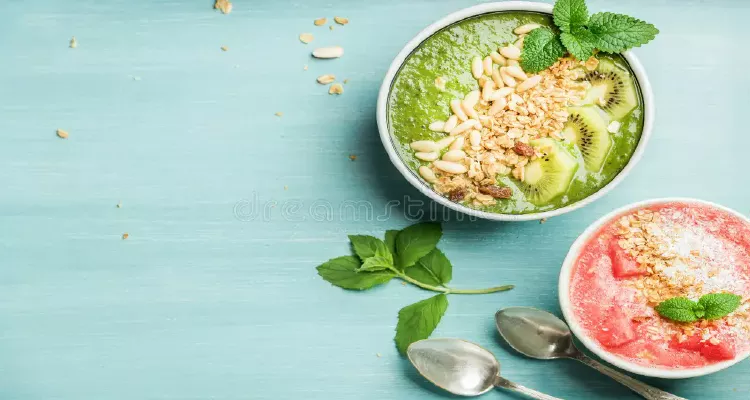
Vitamin D: Strengthening Bones and Immunity
Vitamin D is your go-to for strong bones and a robust immune system. It helps your body absorb calcium, reducing the risk of osteoporosis and fractures. A 2021 meta-analysis in Osteoporosis International found that Vitamin D reduced fracture risk by 15–30% in older adults.
It also plays a role in preventing infections and autoimmune diseases. A 2020 study in The Lancet Diabetes & Endocrinology showed that Vitamin D supplementation lowered the risk of respiratory infections by 10%. Getting it naturally from sunlight and food is even better.
Quick story: My neighbor Tom, a 50-year-old runner, started feeling achy and tired. A blood test showed low Vitamin D. He added 15 minutes of morning sunlight and more salmon to his diet, and soon he was back to crushing his runs. It’s amazing what a little sunshine can do!
Top sources: Sunlight (10–30 minutes a few times a week), salmon, egg yolks, fortified milk, mushrooms.
Vitamin E: Protecting Your Heart and Cells
Vitamin E is an antioxidant powerhouse, protecting your cells from damage caused by free radicals. This helps prevent chronic diseases like heart disease and cancer. A 2019 study in The Journal of the American College of Cardiology found that higher Vitamin E intake was linked to a 20% lower risk of heart disease.
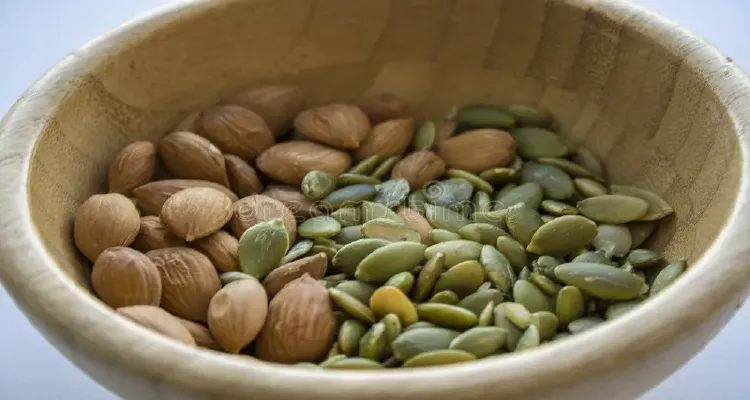
It also supports immune function, especially in older adults, and keeps your skin and eyes healthy. Vitamin E works best when paired with healthy fats, so nuts and seeds are perfect sources.
Real-life example: My cousin Mike, a busy chef, started snacking on almonds instead of chips. He noticed he had more energy and felt better overall. He laughed, “Who knew nuts could make me feel this good?” What’s your favorite healthy snack?
Top sources: Almonds, sunflower seeds, spinach, avocado, olive oil, hazelnuts.
Practical Ways to Add Natural Vitamins to Your Diet
Easy Meal and Snack Ideas
- Breakfast boost: Start with a smoothie of spinach, strawberries, and yogurt for Vitamins A, C, and D.
- Lunch power: Toss a salad with kale, bell peppers, and avocado for a triple dose of Vitamins A, C, and E.
- Snack smart: Keep sliced carrots or oranges handy for a quick Vitamin A or C boost.
- Dinner delight: Grill salmon with roasted broccoli and a side of sweet potatoes for Vitamins D, C, and A.
Try this: Make a rainbow salad with red bell peppers, spinach, mango, and a sprinkle of sunflower seeds. It’s a delicious way to pack in natural vitamins!
Lifestyle Tips for Maximum Benefits
- Eat fresh: Vitamin C degrades over time, so choose fresh produce and eat it soon after buying.
- Pair with fats: Vitamins A, D, and E are fat-soluble, so pair them with olive oil, avocado, or nuts for better absorption.
- Get some sun: Short bursts of sunlight (10–30 minutes) boost Vitamin D naturally.
- Stay consistent: A little of each vitamin daily is better than sporadic large doses.
Quick story: My friend Sarah started keeping a bowl of mixed fruits on her counter. She says grabbing a kiwi or orange for a snack has become second nature, and she feels healthier than ever. Small habits can really add up, don’t you think?

The Science Behind Natural Vitamins and Disease Prevention
Vitamin A: Immunity and Vision
A 2020 study in Nutrients showed that Vitamin A reduced the severity of respiratory infections by supporting immune cell function. It’s also critical for preventing vision issues, with a 2018 study in Ophthalmology linking Vitamin A to a 25% lower risk of macular degeneration.
Vitamin C: Immunity and Heart Health
A 2017 meta-analysis in Nutrients confirmed Vitamin C’s role in shortening colds and boosting immunity. A 2021 study in The European Journal of Nutrition found that higher Vitamin C intake lowered heart disease risk by 15% through its antioxidant effects.
Vitamin D: Bones and Beyond
A 2021 study in Osteoporosis International showed Vitamin D reduced fracture risk by up to 30%. A 2020 review in The Lancet also linked it to lower infection rates, especially for respiratory illnesses.
Vitamin E: Heart and Cell Protection
A 2019 study in The Journal of the American College of Cardiology found Vitamin E reduced heart disease risk by 20%. Its antioxidant properties also help prevent cellular damage, per a 2020 review in Antioxidants.
In short, natural vitamins are a science-backed way to prevent common diseases and keep your body strong.
How Much of Each Vitamin Do You Need?
Recommended Daily Intakes (NIH)
- Vitamin A: Men: 900 mcg RAE; Women: 700 mcg RAE
- Vitamin C: Men: 90 mg; Women: 75 mg
- Vitamin D: Adults (19–70): 600 IU; Over 70: 800 IU
- Vitamin E: Adults: 15 mg
A single orange, a handful of almonds, or 15 minutes of sunlight can help you hit these goals. It’s easier than you think!
Risks of Deficiency and Excess
- Deficiency: Low Vitamin A can weaken immunity; low Vitamin C causes fatigue; low Vitamin D risks bone loss; low Vitamin E increases oxidative stress.
- Excess: Too much Vitamin A or D from supplements can cause toxicity. Stick to food sources unless advised by a doctor.
Caution: Consult a doctor before supplements, especially if you have health conditions or take medications.
Common Myths About Natural Vitamins
- Myth: Supplements are better than food.
Truth: Natural vitamins from food come with fiber and antioxidants, making them more effective. - Myth: Vitamin C prevents all colds.
Truth: It reduces duration and severity but won’t stop every cold. - Myth: More vitamins are always better.
Truth: Excess can cause side effects; stick to recommended amounts.
FAQ: Your Questions About Natural Vitamins and Disease Prevention
Q: Can I get enough vitamins from food alone?
A: Yes! Natural vitamin-rich foods like fruits, veggies, and nuts can meet your needs with a balanced diet.
Q: How quickly will I see health benefits?
A: Improved immunity or energy can show up in 2–4 weeks; long-term benefits like heart health take longer.
Q: Are supplements necessary?
A: Not usually—natural vitamins from food are best. Talk to a doctor if you’re deficient.
Q: Can vitamins prevent serious diseases?
A: Natural vitamins reduce risks of heart disease, infections, and more, but they’re part of a healthy lifestyle, not a cure-all.
Q: What’s the best way to start?
A: Add one vitamin-rich food daily, like an orange for Vitamin C or almonds for Vitamin E.
Summary: Key Takeaways for Preventing Common Diseases with Natural Vitamins
- Natural vitamins like A, C, D, and E prevent diseases by boosting immunity, heart health, and more.
- Vitamin A: Fights infections and protects vision (carrots, spinach).
- Vitamin C: Shortens colds and supports heart health (oranges, bell peppers).
- Vitamin D: Strengthens bones and immunity (sunlight, salmon).
- Vitamin E: Protects heart and cells (almonds, avocado).
- Science says: These vitamins reduce disease risks by 15–30%.
- Start small: Add one vitamin-rich food, like a daily orange or handful of nuts, today.
- Be cautious: Avoid excess supplements and consult a doctor if needed.
Wrapping Up: Your Path to a Healthier You with Natural Vitamins
There you have it—a complete guide to the role of natural vitamins in preventing common diseases! From boosting your immune system to protecting your heart and bones, natural vitamins are like nature’s gift to your health. I know life gets busy, and staying healthy can feel like a challenge, but you’ve got this. Start with one small change—like adding a handful of strawberries or a short walk in the sun—and watch how it adds up.
What’s your favorite vitamin-rich food, or are you excited to try a new recipe? Drop it in the comments—I’d love to hear! And if this guide sparked some inspiration, share it with a friend who could use a health boost.


